
Global identification & prevention guideCockroaches
Blattodea
Identify cockroach species and understand gel baits, IGRs, and sanitation protocols.
Overview
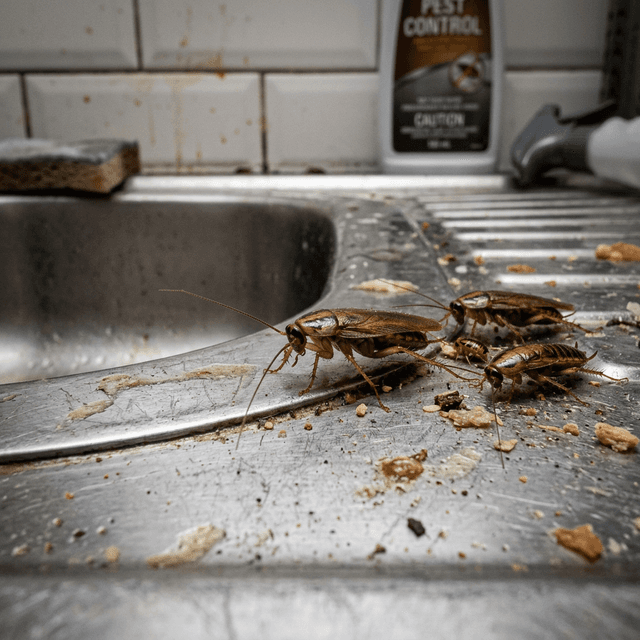
Cockroaches are resilient household pests. German cockroaches, American cockroaches, and Oriental cockroaches are primary pest species. They reproduce rapidly, contaminate food sources, and produce allergen proteins that trigger respiratory symptoms.
Identification
Flat, oval body with long antennae and spiny legs
German cockroach: 12 to 15 mm, light brown with two dark stripes
American cockroach: 35 to 40 mm, reddish-brown, largest common species
Oriental cockroach: 25 to 30 mm, shiny dark brown to black
All species possess wings, though flight is infrequent
Behavior & Habitat
Cockroaches are nocturnal and seek warm, humid environments near water and food. They hide in dark crevices behind appliances, under sinks, and inside cabinet joints during daylight hours.
Warning Signs
- •Live or dead cockroaches visible at night
- •Droppings resembling dark pepper or coffee grounds
- •Egg cases (oothecae) hidden in cabinets or behind appliances
- •Oily, musty odor in heavy infestation areas
- •Dark smear marks along wall edges and surfaces
Prevention Tips
- Eliminate standing water sources and repair pipe leaks
- Seal food in rigid, airtight containers
- Clean kitchen surfaces and remove grease daily
- Empty trash containers regularly into sealed bins
- Seal structural gaps around plumbing and baseboards
Treatment Approaches
Integrated cockroach control combines gel baits, insect growth regulators (IGRs), and crack-and-crevice treatments. Regular monitoring ensures population elimination and prevents re-infestation.
Use this guide safely
- Confirm the insect before treating
- Read product labels
- Keep treatments from children and pets
- Check local regulations
- Monitor after treatment