
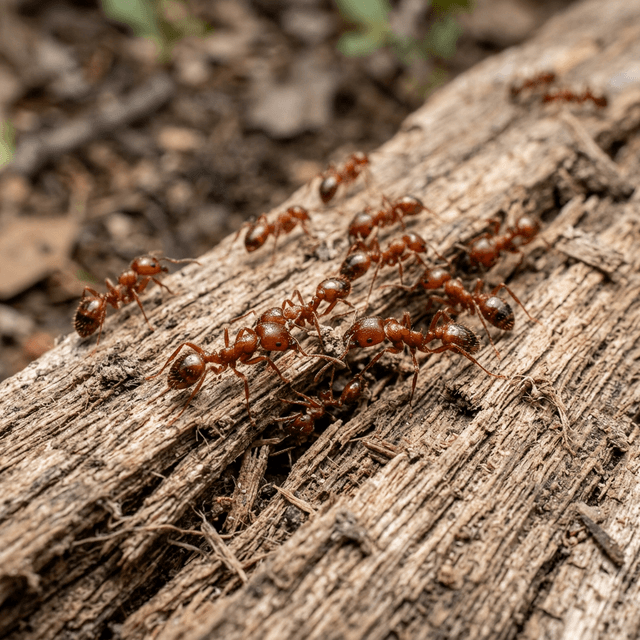
Carpenter Ant Identification & Control Guide
Carpenter ants damage structural wood by excavating nests. Learn to spot frass, identify swarming ants, and compare treatment approaches.
Global Pest Library Research Team
Global Pest Library
A comprehensive carpenter ant identification guide helps Pennsylvania property owners spot carpenter ant wood damage caused by the black carpenter ant Camponotus pennsylvanicus. Unlike termites, carpenter ants do not eat wood; they chew galleries into damp timber to rear offspring.
Comparing carpenter ant vs termite traits, recognizing frass sawdust identification signs, executing satellite nest elimination, applying non-repellent ant baiting strategies, and performing wood moisture correction protects structural integrity.
Carpenter Ants vs Subterranean Termites: Comparison
| Diagnostic Feature | Black Carpenter Ant | Subterranean Termite |
|---|---|---|
| Wood Consumption | Does NOT consume wood; excavates clean tunnels | Consumes wood cellulose as primary food source |
| Excavation Debris | Pushes out fine sawdust (frass) & insect parts | Leaves NO sawdust; packs galleries with soil & mud |
| Waist & Body Shape | Pinched, slender waist with distinct thorax | Broad waist with straight, cigar-shaped body |
| Gallery Texture | Smooth, clean walls with a sanded finish | Rough, muddy gallery walls lined with dirt specks |
| Antenna Structure | Elbowed (bent) antennae | Straight, bead-like antennae |
Identifying Signs of a Carpenter Ant Infestation
- Frass Debris Piles: Conspicuous piles of coarse wood shavings resembling sawdust beneath wall voids, window sills, or joists.
- Audible Rustling Sounds: Faint rustling or crinkling sounds coming from inside dry wall voids or ceilings, created by worker mandibles.
- Indoor Winged Swarmers: Large black winged ants (up to 3/4 inch) emerging indoors near windows in spring, signaling a mature nest within the structure.
- Smooth Window/Door Frame Galleries: Window frames or deck posts that feel hollow or reveal clean, smooth wooden tunnels when probed.
Parent Nest vs Satellite Nest Dynamics
Carpenter ant colonies feature a primary parent nest located outdoors in a damp log, decaying tree stump, or landscape timber containing the egg-laying queen. As the colony grows, workers establish satellite nests inside nearby homes within moisture-damaged wood subfloors, soffits, or plumbing voids. Eradicating satellite nests requires locating and treating the parent nest outdoors using non-repellent transfer chemistry.
Treatment Cost Breakdown for Carpenter Ants in PA
| Severity Level | Treatment Strategy | Average Price Range |
|---|---|---|
| Minor / One-Time | Localized perimeter baiting & spot void injection | $150 – $350 |
| Moderate / Multi-Nest | Full exterior non-repellent barrier & interior void treatment | $300 – $600 |
| Severe / Structural | Comprehensive parent/satellite colony eradication & wood repair | $600 – $1,500+ |
Actionable Prevention Steps for Homeowners
- Fix roof leaks, window flashing gaps, and basement plumbing condensation immediately.
- Prune tree limbs and shrubbery back at least 24 inches from rooflines and siding.
- Remove rotting tree stumps, decaying roots, and old firewood piles from the yard.
Educational Resources & Next Steps
Carpenter ant infestations point to active wood moisture problems. Eliminating moisture and destroying parent nests protects framing timber. Visit our Ant & Carpenter Ant Guide for technical specs, identification keys, and treatment resources.
Frequently Asked Questions
Do carpenter ants eat wood?
How can I tell carpenter ant frass apart from regular sawdust?
Why did spraying insecticide fail to eliminate my carpenter ants?
Explore Pest Identification Guides
Global Pest Library provides independent, evidence-based research articles to help you identify household pests and understand safety protocols.
Explore Our Pest Library
Identify household pests and learn about evidence-based prevention options.
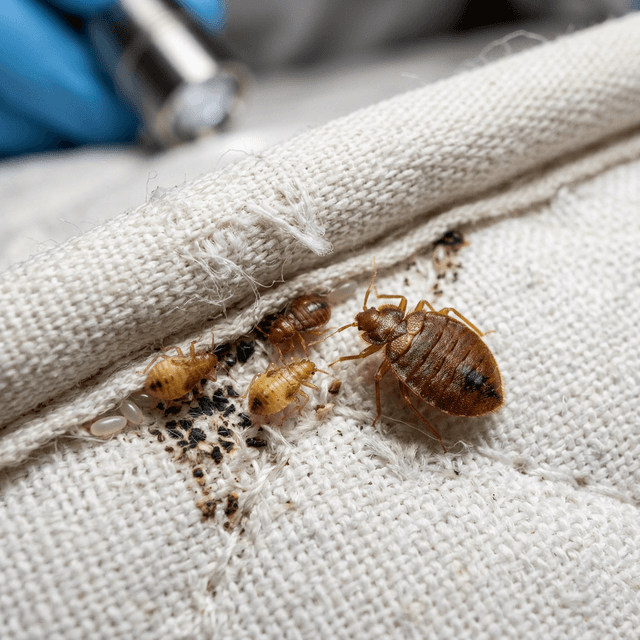
Bed Bugs
Comprehensive research and multi-lingual guidance for identifying, preventing, and preparing for bed bug eradication.
Learn more →Ants
From pavement ants to carpenter ants, identify ant species and locate nests at their source.
Learn more →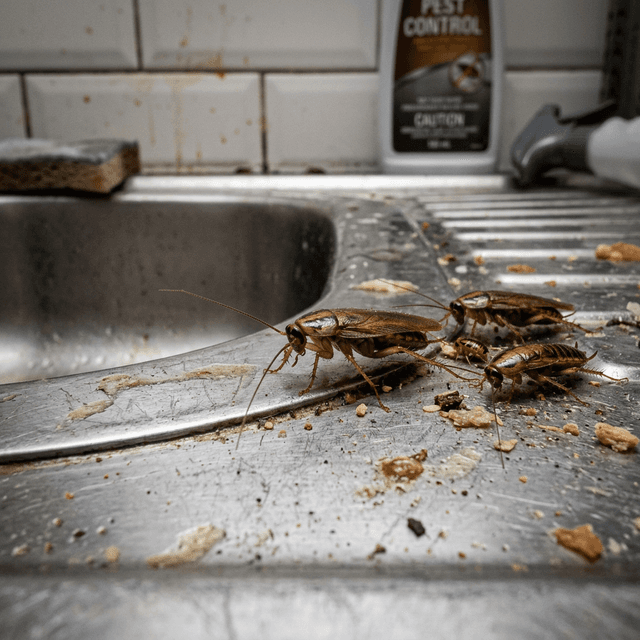
Cockroaches
Identify cockroach species and understand gel baits, IGRs, and sanitation protocols.
Learn more →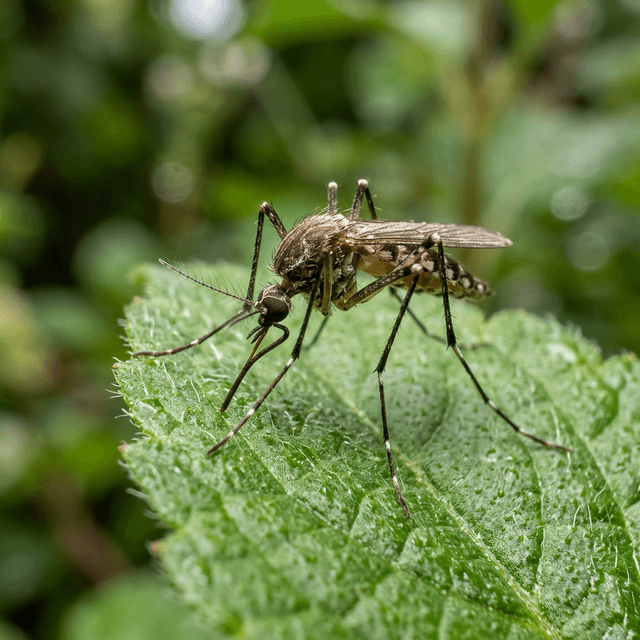
Mosquitoes
Larval source reduction and barrier treatment strategies to protect outdoor areas.
Learn more →