
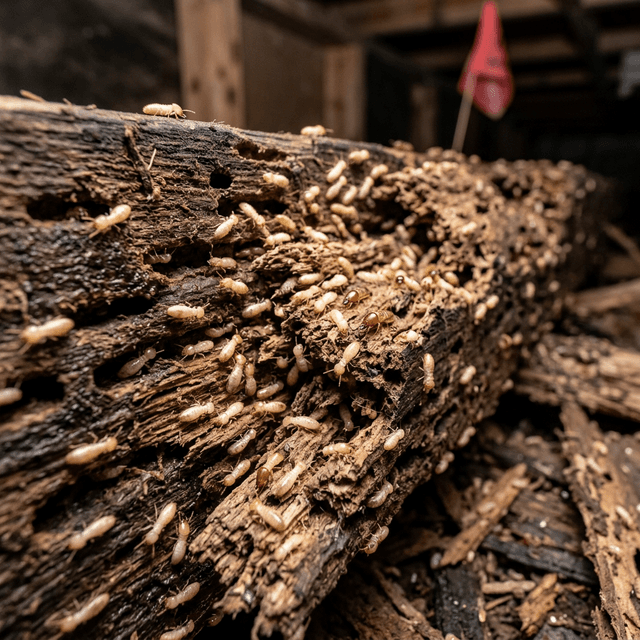
Subterranean Termite & Swarmer Guide
Learn how to identify subterranean termites, spot mud tubes and swarmer wings, compare treatment options, and protect structural wood.
Global Pest Library Research Team
Global Pest Library
Understanding the subterranean termite guide is critical for Pennsylvania property owners facing wood-destroying insect threats. Conducting accurate termite swarmer identification and taking protective steps against the Eastern subterranean termite Pennsylvania (Reticulitermes flavipes) prevents structural damage.
Subterranean termites consume cellulose 24 hours a day. Detecting termite mud tubes foundation structures, scheduling a wood destroying insect inspection, and choosing between a liquid termiticide barrier or termite baiting systems ensures long-term structural wood protection.
Termite Swarmers vs Flying Ants: Key Distinctions
| Physical Characteristic | Subterranean Termite Swarmer | Winged Carpenter Ant |
|---|---|---|
| Waist Structure | Broad, straight body with no pinched waist | Pinched, narrow waist with distinct body segments |
| Antennae Shape | Straight, bead-like antennae | Elbowed, bent antennae |
| Wing Pair Size | Four wings of equal length and translucent shade | Forewings visibly longer than hindwings |
| Wing Attachment | Wings shed easily; found discarded in piles | Wings remain attached to body during flight |
Recognizing Signs of Subterranean Termite Activity
- Mud Shelter Tubes: Pencil-thin mud tubes along foundation walls, pier footings, or floor joists connecting soil colonies to wood structural members.
- Spring Swarmer Emergence: Groups of dark winged termites flying near windows, doors, or light fixtures during warm spring days.
- Hollow-Sounding Timber: Structural wood that sounds hollow when tapped with a mallet, revealing internal gallery excavation along the wood grain.
- Blistered Paint or Drywall: Peeling paint or bubbling drywall caused by internal moisture buildup from mud tube construction inside wall voids.
Liquid Termiticide Barriers vs Baiting Systems
- Liquid Termiticide Barrier ($1,000 – $3,500): Continuous soil trenching and foundation drilling using non-repellent termiticides like fipronil. Termites pass through the treated zone without detection, transferring the chemical back to eliminate the queen.
- Termite Baiting Systems ($800 – $2,500 setup + annual fee): In-ground bait stations installed around the perimeter at 10-to-12-foot intervals. Termites feed on cellulose matrices containing chitin synthesis inhibitors, disrupting molting cycles and destroying colonies.
Preventative Maintenance Checklist for Property Owners
- Maintain a minimum 6-inch clearance between soil lines and exterior wood siding.
- Fix leaking exterior hose bibs, roof valleys, and foundation plumbing penetrations.
- Store firewood on elevated racks at least 20 feet away from the home foundation.
- Ensure crawlspaces maintain a continuous 6-mil vapor barrier and adequate ventilation.
Educational Resources & Next Steps
Subterranean termites cause significant structural damage if left untreated. Early identification and professional remediation preserve property value. Visit our Termite Research Guide for technical details, biology, and identification resources.
Frequently Asked Questions
How common are termites in Pennsylvania?
When do termites swarm in Pennsylvania?
What is the average cost of termite treatment in PA?
Explore Pest Identification Guides
Global Pest Library provides independent, evidence-based research articles to help you identify household pests and understand safety protocols.
Explore Our Pest Library
Identify household pests and learn about evidence-based prevention options.
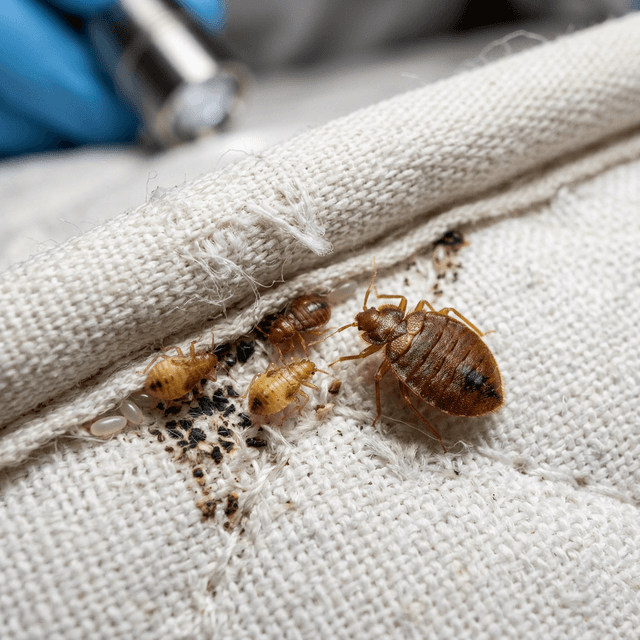
Bed Bugs
Comprehensive research and multi-lingual guidance for identifying, preventing, and preparing for bed bug eradication.
Learn more →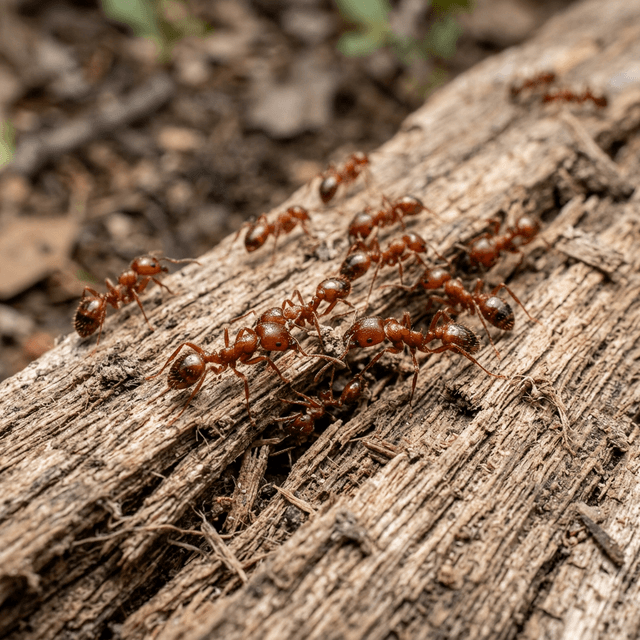
Ants
From pavement ants to carpenter ants, identify ant species and locate nests at their source.
Learn more →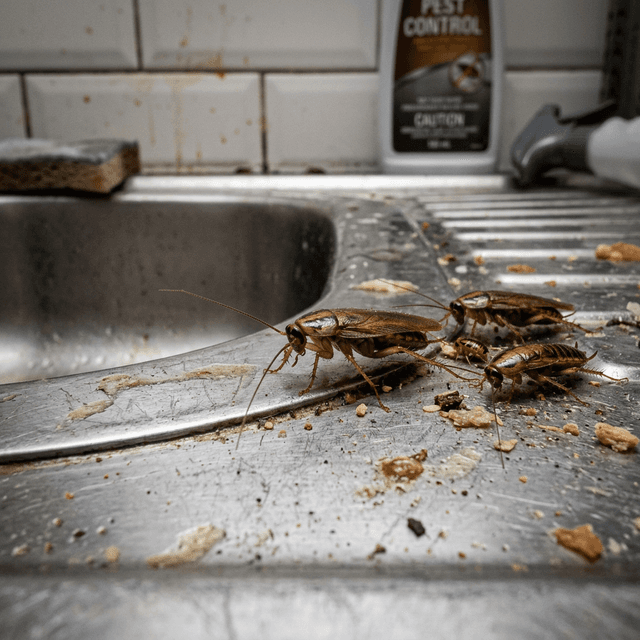
Cockroaches
Identify cockroach species and understand gel baits, IGRs, and sanitation protocols.
Learn more →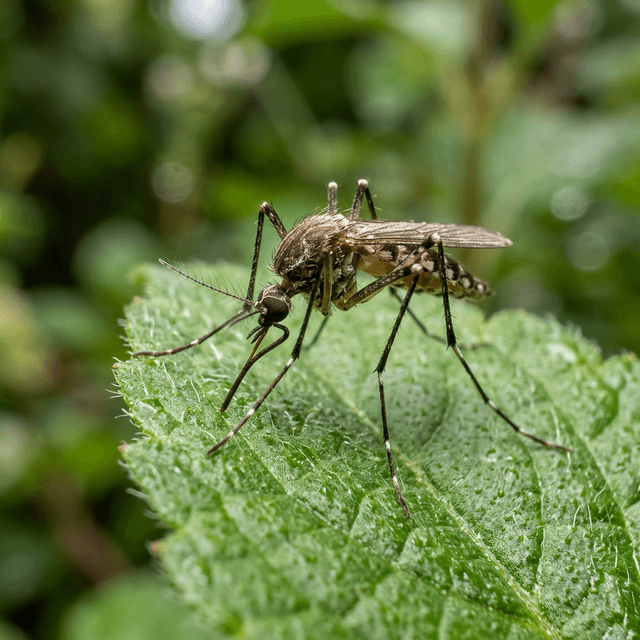
Mosquitoes
Larval source reduction and barrier treatment strategies to protect outdoor areas.
Learn more →