
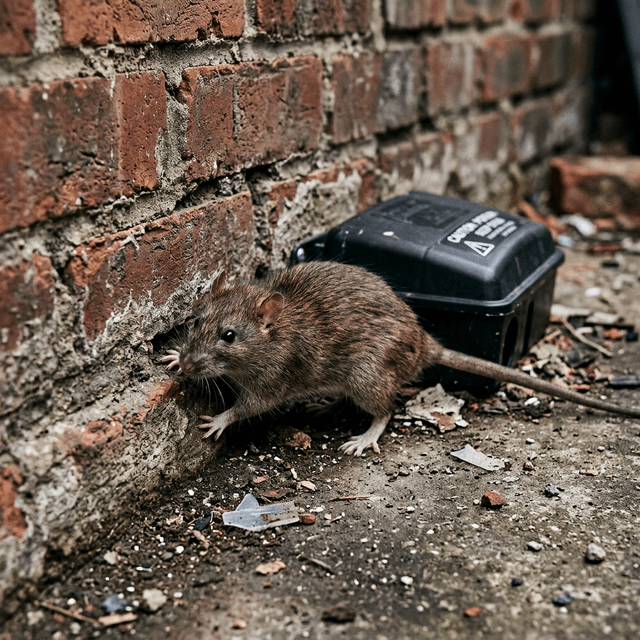
Rodent Control: Mouse & Rat Exclusion Guide
Identify house mice and Norway rats, spot warning signs of rodent activity, and understand how physical exclusion stops infestations permanently.
Global Pest Library Research Team
Global Pest Library
Effective rodent control requires structured mouse and rat exclusion strategies tailored to residential structures. In Pennsylvania, house mouse control Pennsylvania programs, Norway rat eradication protocols, and roof rat prevention protect homes from contamination and structural damage.
Rodents can squeeze through tiny openings; a house mouse requires a gap of just 1/4 inch, while a rat needs 1/2 inch. Executing rodent entry point sealing, understanding rodent signs identification, clearing attic mouse nesting, and establishing structural rodent proofing prevent indoor infestations permanently.
Identifying Pennsylvania Rodent Species
| Species | Physical Description | Primary Nesting Locations | Behavioral Traits |
|---|---|---|---|
| House Mouse (Mus musculus) | Small (2-4 inches), dusty gray body, long thin tail | Attics, wall voids, cabinets, basement corners | Curious, nests close to food sources, nocturnal |
| Norway Rat (Rattus norvegicus) | Large (8-10 inches), heavy brown body, blunt snout | Burrows under foundation, basements, crawlspaces | Cautious, burrows outdoors, requires substantial water |
| Roof Rat (Rattus rattus) | Sleek (6-8 inches), black/dark brown body, long tail | Upper attics, rafters, soffit voids, elevated structures | Exceptional climber, nests overhead, agile |
Key Signs of Rodent Activity in Homes
- Rodent Droppings: Mouse droppings are small (1/8 to 1/4 inch) with pointed ends; rat droppings are capsule-shaped (1/2 to 3/4 inch).
- Gnaw Mark Hazards: Freshly gnawed wood, drywall, plastic containers, and electrical wiring pose severe fire hazards.
- Rub Marks and Grease Trails: Dark, oily smudges along baseboards, pipes, and wall studs caused by skin oils along runways.
- Scratching Noises: Nighttime scratching, scuttling, or squeaking sounds coming from wall voids, ceilings, or soffits.
- Nesting Material Deposits: Shredded insulation, paper scraps, cardboard, and fabric stored in dark, undisturbed areas.
5-Step Professional Rodent Exclusion Protocol
- 1. Comprehensive Perimeter Inspection: Locating all exterior gaps around foundation sill plates, utility penetrations, and garage doors.
- 2. Structural Exclusion Sealing: Filling entry points with coarse copper mesh, stainless steel wool, and heavy-duty elastomeric sealant.
- 3. Mechanical Trapping Array Setup: Placing snap traps and multi-catch traps along active runways, avoiding open living areas.
- 4. Sanitation & Attractant Elimination: Securing dry pantry goods in heavy glass or metal containers and fixing indoor water leaks.
- 5. Attic & Crawlspace Sanitization: Removing contaminated insulation, applying anti-microbial treatments, and restoring thermal barriers.
Seasonal Rodent Activity Cycles in Urban & Suburban Areas
Rodent movement accelerates in autumn as outdoor ambient temperatures drop. Cities like Philadelphia and Pittsburgh experience high Norway rat activity near sewer lines and alleyways, while suburban homes encounter house mice migrating from harvested agricultural fields.
Protecting Your Home From Rodent Invasions
Stopping rodent infestations requires combining structural sealing with prompt sanitation. Trapping alone cannot keep pace with high rodent reproduction rates without physical exclusion. Visit our Pest Library for specialized identification guides and evidence-based rodent proofing strategies.
Frequently Asked Questions
How small of a hole can a mouse fit through?
Are mice dangerous to home electrical wiring?
What is the best material for sealing rodent entry gaps?
Explore Pest Identification Guides
Global Pest Library provides independent, evidence-based research articles to help you identify household pests and understand safety protocols.
Explore Our Pest Library
Identify household pests and learn about evidence-based prevention options.
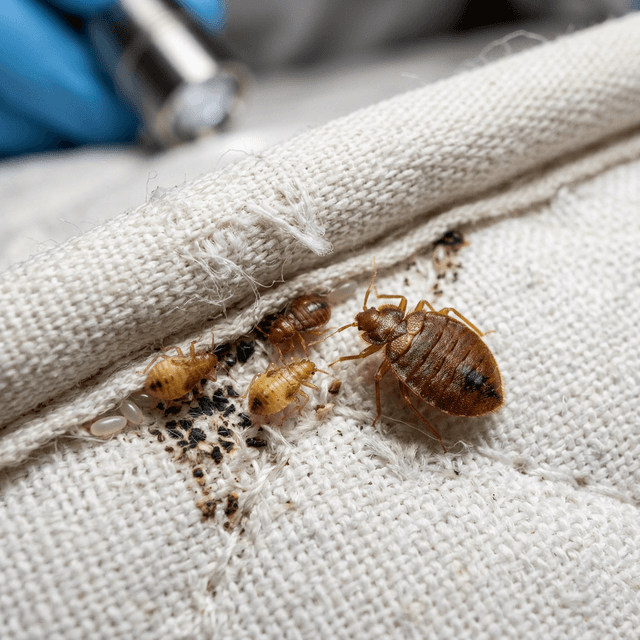
Bed Bugs
Comprehensive research and multi-lingual guidance for identifying, preventing, and preparing for bed bug eradication.
Learn more →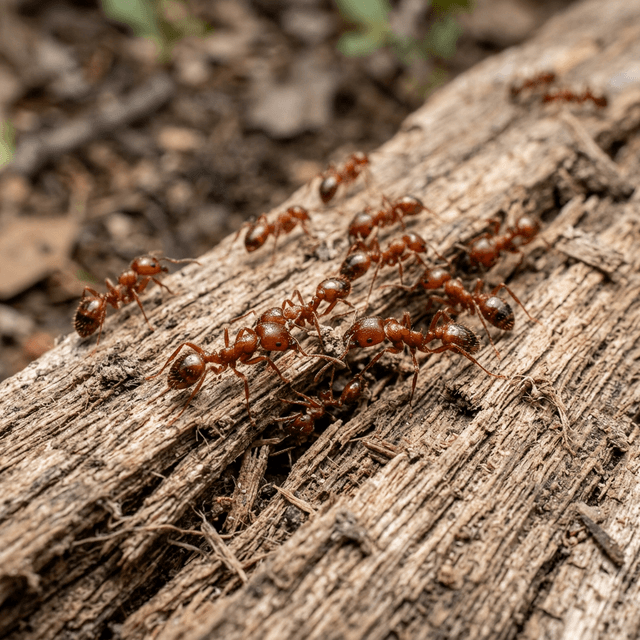
Ants
From pavement ants to carpenter ants, identify ant species and locate nests at their source.
Learn more →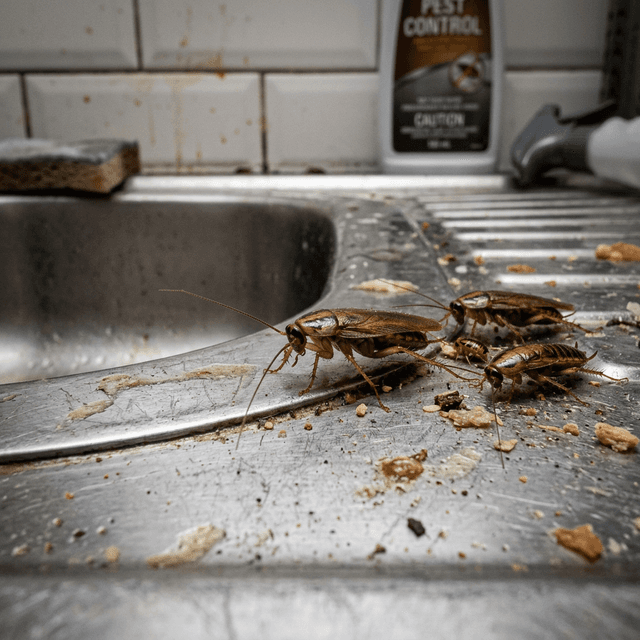
Cockroaches
Identify cockroach species and understand gel baits, IGRs, and sanitation protocols.
Learn more →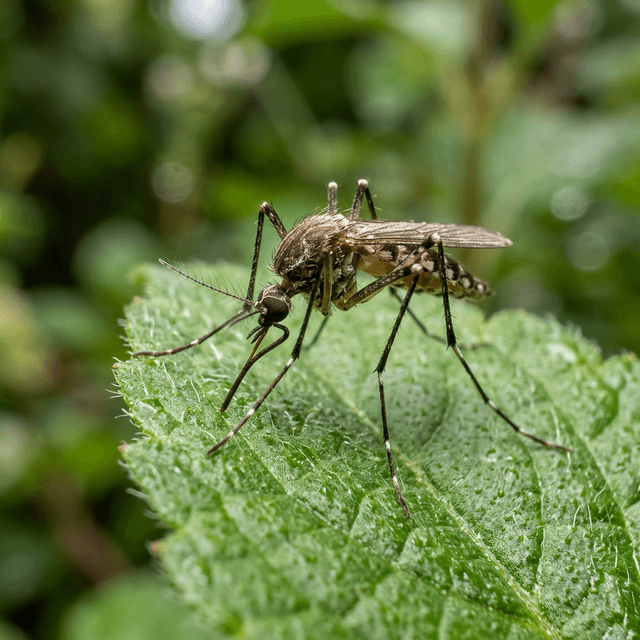
Mosquitoes
Larval source reduction and barrier treatment strategies to protect outdoor areas.
Learn more →