
Global identification & prevention guideSpiders
Araneae
Identify common house spiders and reduce indoor insect prey populations.
Overview
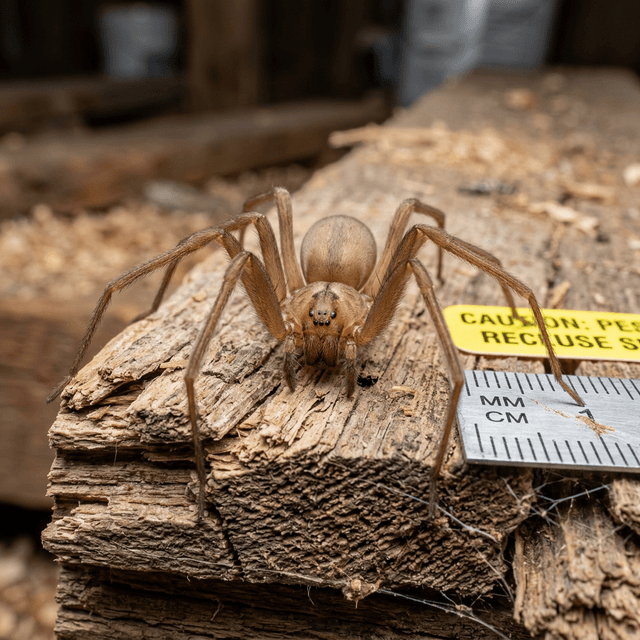
Most household spiders are harmless predators that feed on insects. Common species include house spiders, wolf spiders, and cellar spiders. Highly venomous species like black widows and brown recluses require careful identification.
Identification
Eight legs and two distinct body segments (cephalothorax and abdomen)
Brown recluse: tan body with a dark violin marking on cephalothorax
Black widow: shiny black abdomen with a red hourglass marking
Wolf spider: large, hairy, brown ground hunter
Cellar spider: long thin legs, builds irregular cobwebs in corners
Behavior & Habitat
Spiders inhabit dark, quiet areas like basements, attics, and garages. Web-building species weave silk traps, whereas hunting species stalk insect prey across floors.
Warning Signs
- •Webs in wall corners, window frames, and crawlspaces
- •Egg sacs attached to surfaces or suspended in silk webs
- •Live spider sightings in damp or dark rooms
- •Shed exoskeletons left behind during growth phases
- •High insect activity serving as a spider food source
Prevention Tips
- Remove webs regularly using a vacuum or duster
- Seal window frames, door weatherstripping, and foundation gaps
- Reduce exterior lighting that attracts nocturnal insects
- Store firewood and storage boxes away from exterior walls
- Lower indoor humidity levels in basements
Treatment Approaches
Spider management focuses on removing webs, sealing entry gaps, applying residual crack treatments, and reducing underlying insect prey.
Use this guide safely
- Confirm the insect before treating
- Read product labels
- Keep treatments from children and pets
- Check local regulations
- Monitor after treatment