Standalone Pest Identification Library
Explore our comprehensive pest catalog. Compare identification markers, signs of infestation, and evidence-based prevention protocols.
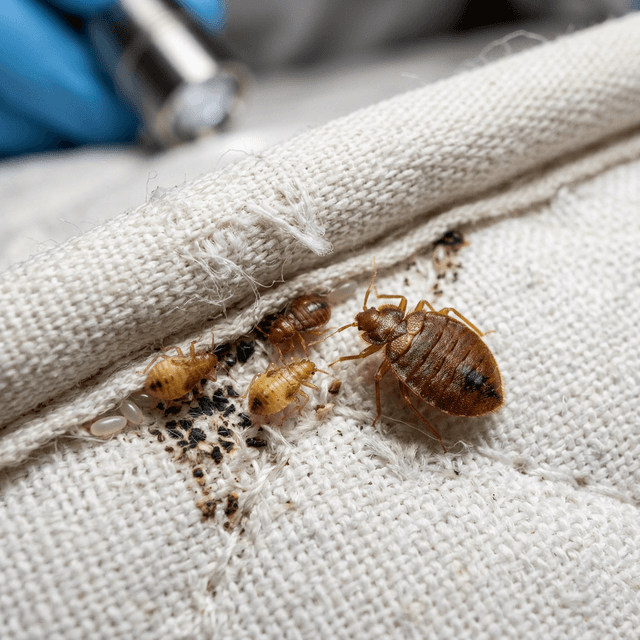
Bed Bugs
Cimex lectularius
Bed bugs are small, parasitic insects that feed exclusively on blood, primarily human blood. They have made a dramatic resurgence worldwide, partly due to increased global travel and pesticide resistance. They are expert hitchhikers, spreading via luggage, used furniture, and clothing.
Itchy, red welts in a line or cluster on exposed skin
Inspect hotel rooms before unpacking by checking mattress seams
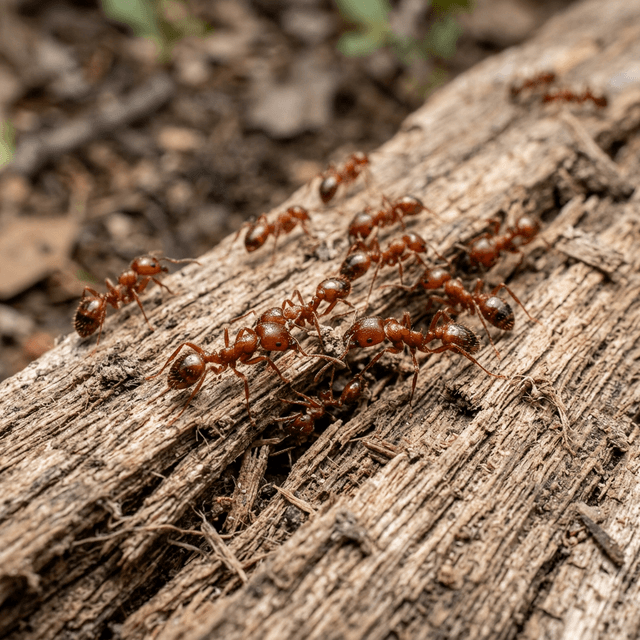
Ants
Formicidae
Ants are social insects belonging to the family Formicidae. There are more than 12,000 known species worldwide. They form colonies ranging from a few dozen to millions of individuals. Common household species include carpenter ants, fire ants, odorous house ants, and pavement ants.
Visible ant trails along baseboards, countertops, or exterior walls
Seal cracks and gaps around doors, windows, and foundation walls
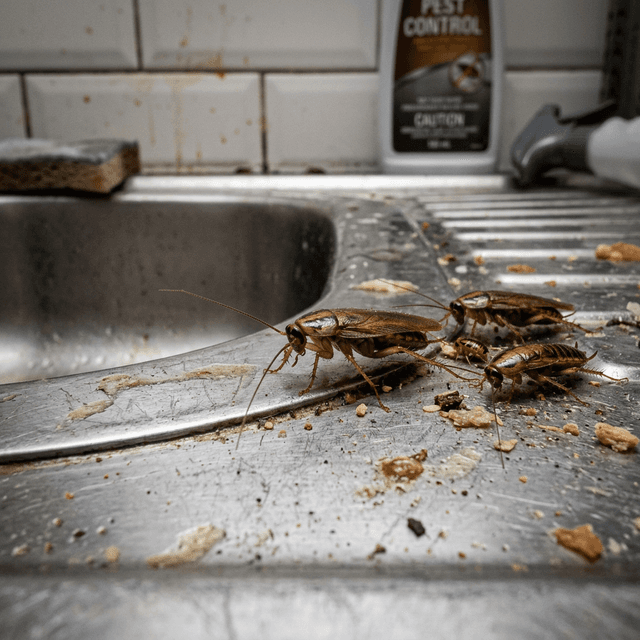
Cockroaches
Blattodea
Cockroaches are resilient household pests. German cockroaches, American cockroaches, and Oriental cockroaches are primary pest species. They reproduce rapidly, contaminate food sources, and produce allergen proteins that trigger respiratory symptoms.
Live or dead cockroaches visible at night
Eliminate standing water sources and repair pipe leaks
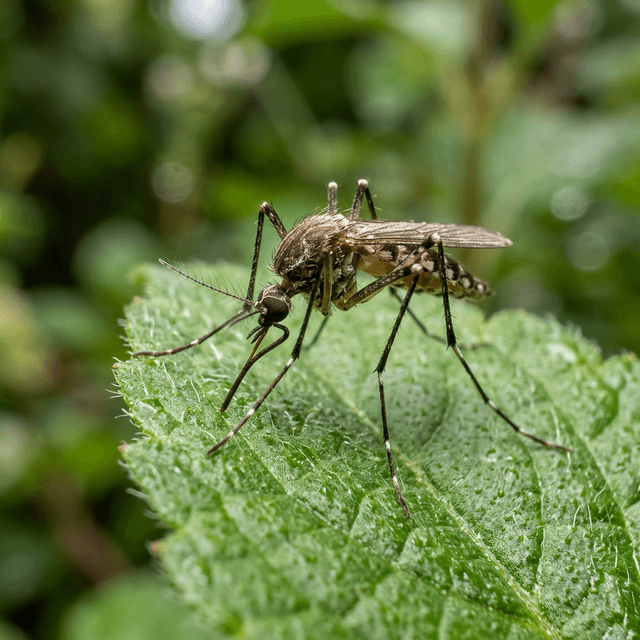
Mosquitoes
Culicidae
Mosquitoes are blood-feeding insects that breed in standing water. Female mosquitoes require blood meals to produce eggs and can transmit blood-borne viruses.
Frequent bites occurring during dawn, dusk, or shaded daytime hours
Empty standing water from pots, gutters, and containers weekly
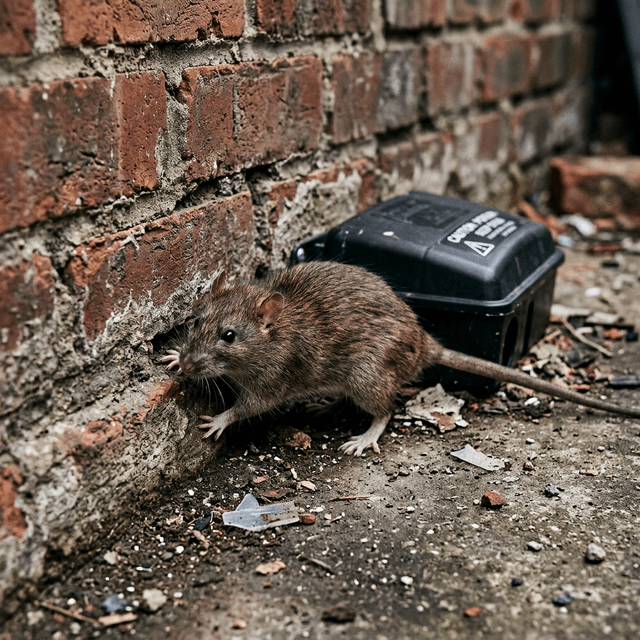
Rodents
Rodentia
Mice and rats are common structural pests. House mice, Norway rats, and roof rats gnaw through building materials, contaminate food supplies, and carry transmissible pathogens.
Droppings found along walls, in pantries, or under sinks
Seal exterior gaps larger than 1/4 inch with steel wool and sealant
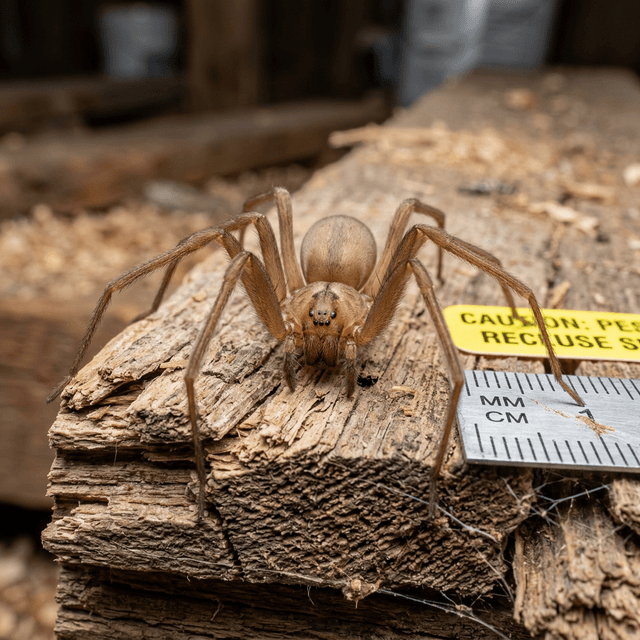
Spiders
Araneae
Most household spiders are harmless predators that feed on insects. Common species include house spiders, wolf spiders, and cellar spiders. Highly venomous species like black widows and brown recluses require careful identification.
Webs in wall corners, window frames, and crawlspaces
Remove webs regularly using a vacuum or duster
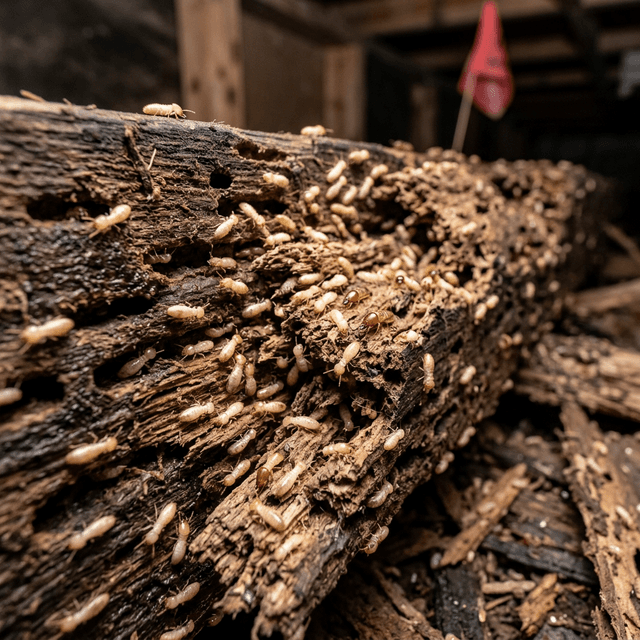
Termites
Isoptera
Termites cause extensive structural damage by consuming cellulose inside wood. Subterranean termites construct underground nests and travel through mud tubes to access wooden building components.
Shelter mud tubes on foundation walls or floor joists
Eliminate direct wood-to-soil contact around foundations
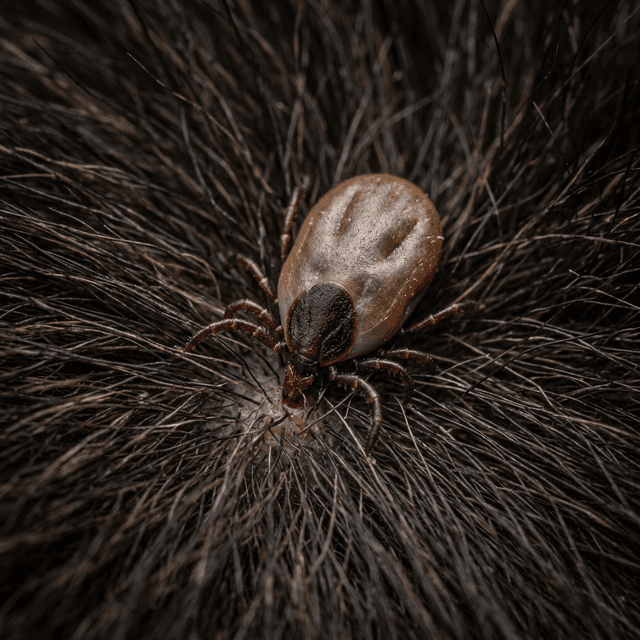
Fleas & Ticks
Siphonaptera / Ixodida
Fleas and ticks are blood-feeding parasites. Fleas infest carpets and pet bedding quickly, while ticks live outdoors in tall grass and leaf litter, transmitting Lyme disease and other pathogens.
Pets biting or scratching excessively at skin
Apply veterinarian-recommended flea and tick preventatives to pets
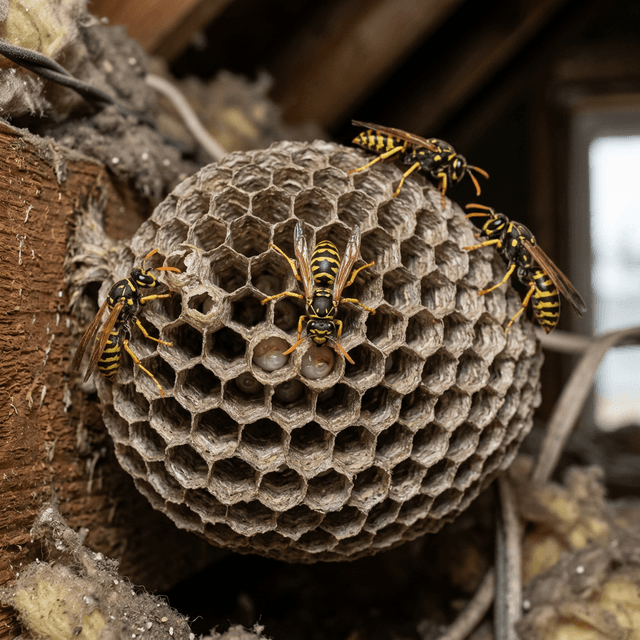
Stinging Insects
Hymenoptera
Yellowjackets, wasps, hornets, and carpenter bees construct nests in eaves, ground voids, and tree structures. They sting defensively when nests are approached.
Visible paper or mud nests beneath eaves, decks, or trees
Inspect roof soffits and eaves early in spring for new nests
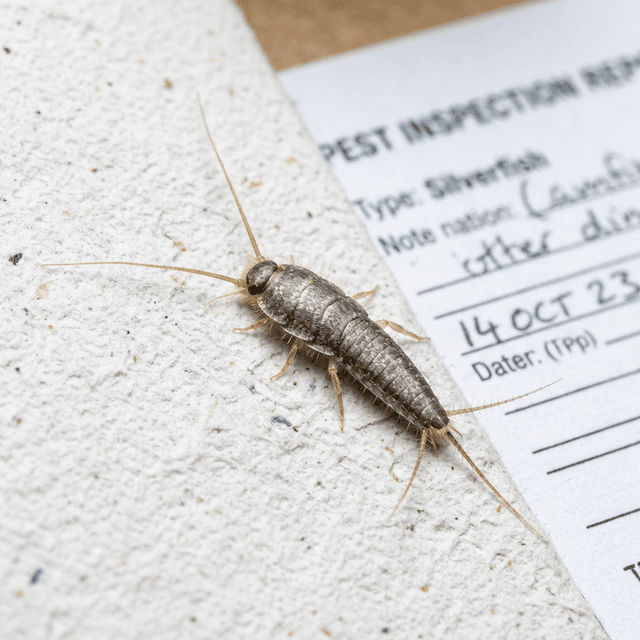
Silverfish
Lepisma saccharinum
Silverfish are wingless, nocturnal insects covered in metallic silvery scales that consume carbohydrates, starches, and cellulose. They thrive in humid household environments, damaging book bindings, wallpaper, starched clothing, pantry goods, and cardboard storage boxes.
Irregular feeding notches and small holes in wallpaper, books, and paper items
Run dehumidifiers to maintain indoor relative humidity levels below 50%
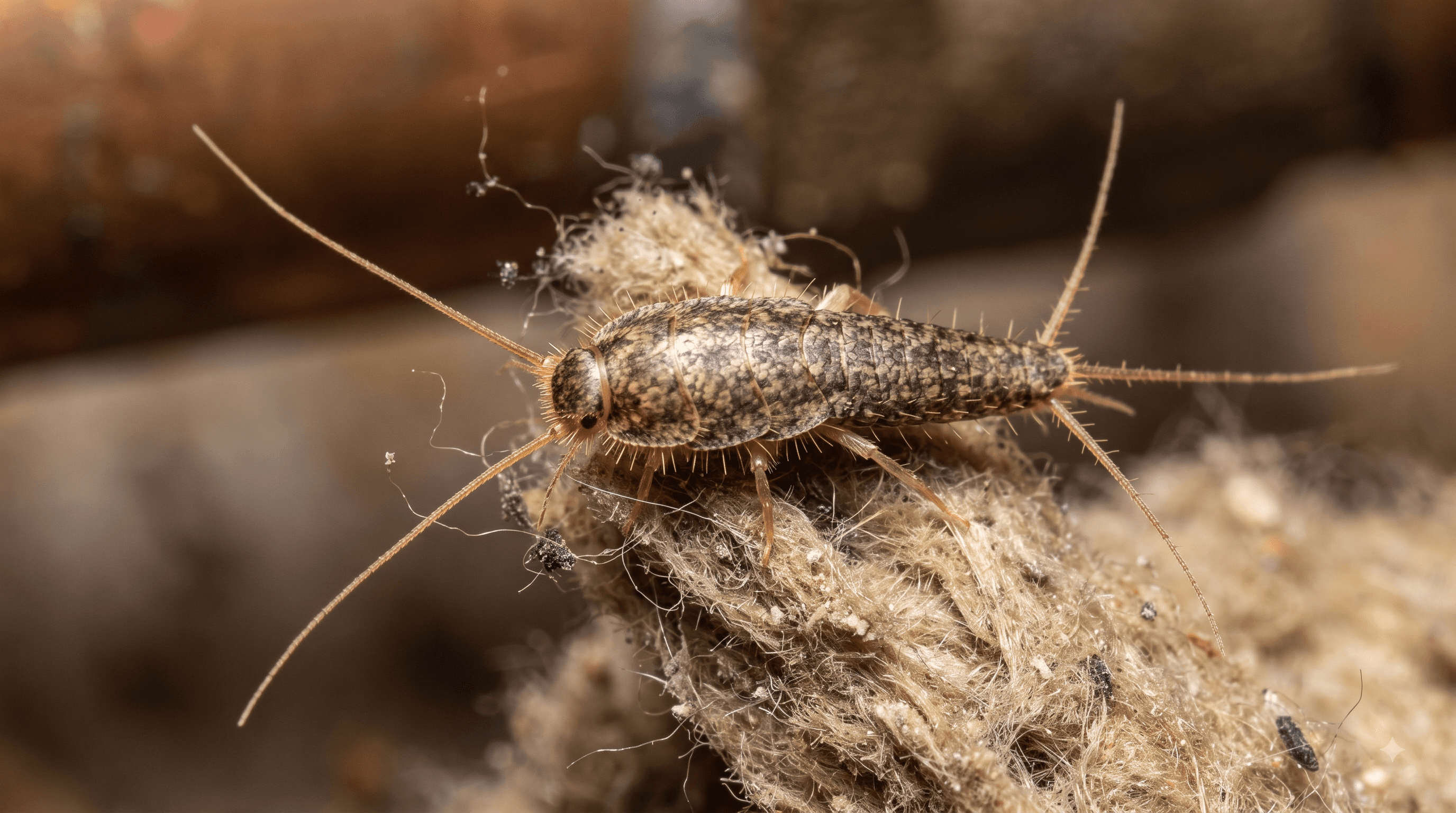
Firebrats
Thermobia domestica
Firebrats (Thermobia domestica) are wingless, bristletail insects closely related to silverfish. Unlike silverfish which prefer cool damp places, firebrats thrive in extremely hot environments above 90°F (32°C), such as near boiler rooms, furnace enclosures, ovens, bakeries, and steam pipes. They consume starches, flour, paper products, and book bindings.
Feeding damage on paper goods, book bindings, and cardboard near heat sources
Insulate steam pipes, heating ducts, and hot water heaters to reduce ambient temperature
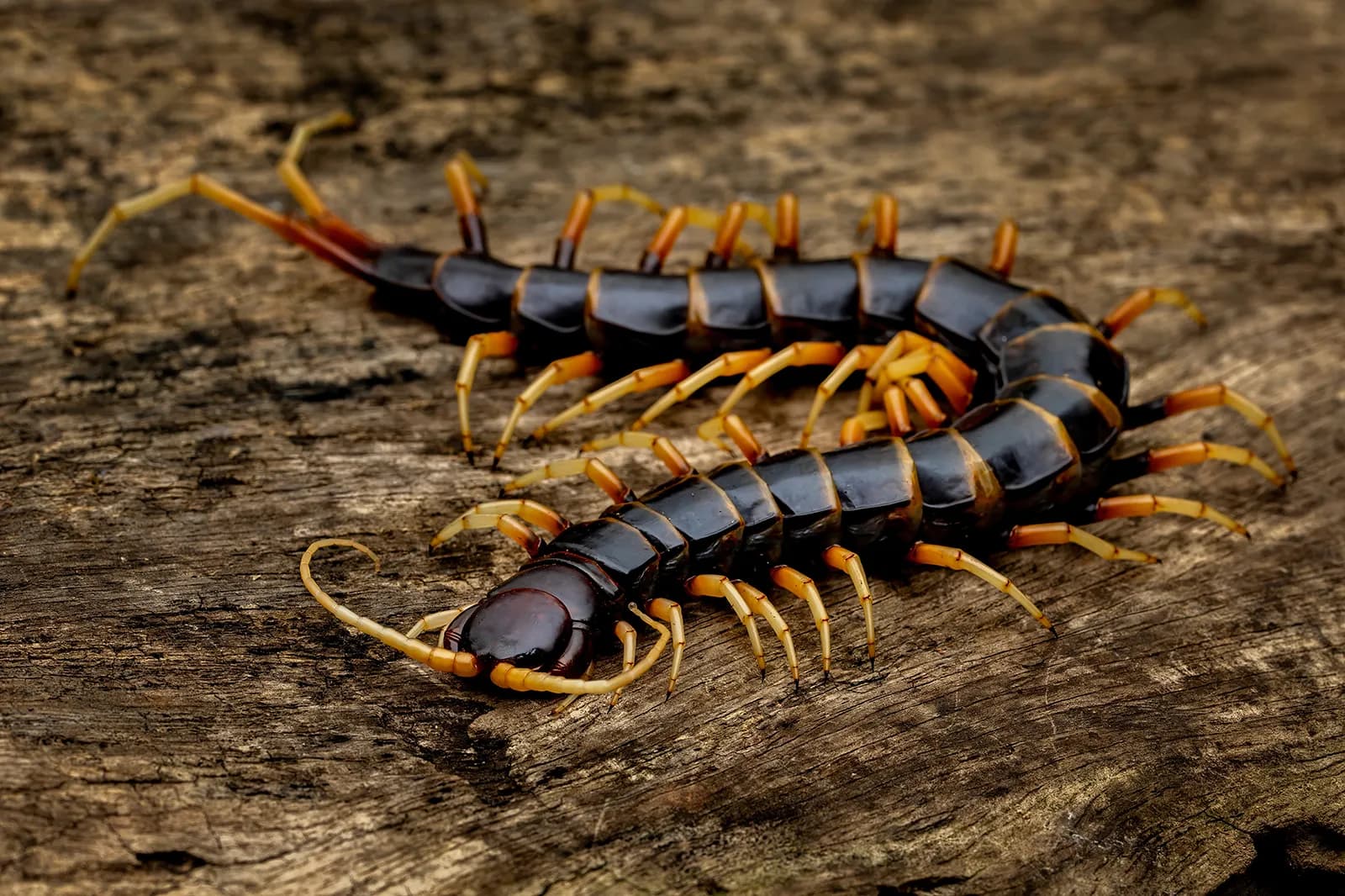
Centipedes
Chilopoda
House centipedes are fast-moving arthropods that hunt other insects in damp basements and bathrooms. While intimidating, they do not damage structural materials.
Live centipedes seen moving quickly across basement floors or walls
Repair basement foundation dampness and water seepage
Researching Bed Bug Solutions?
Read our flagship multi-lingual bed bug guide featuring detection protocols in English, German, Spanish, Polish, and Hungarian.