Global identification & prevention guideFleas & Ticks
Siphonaptera / Ixodida
Protect pets and homes from fleas and ticks with environmental control measures.
Overview
Fleas and ticks are blood-feeding parasites. Fleas infest carpets and pet bedding quickly, while ticks live outdoors in tall grass and leaf litter, transmitting Lyme disease and other pathogens.
Identification
Fleas: tiny (1 to 3 mm), dark brown, flat sideways, active jumpers
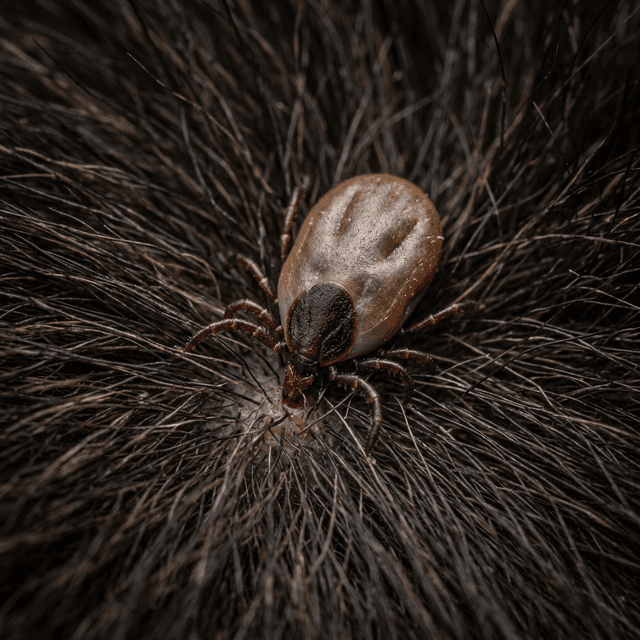
Ticks: 3 to 5 mm unfed, flat oval body, swell significantly after blood feeding
Deer tick: small reddish-brown body with a dark dorsal shield
Dog tick: larger brown body with whitish markings
Flea dirt: tiny black specs found on pet skin or bedding
Behavior & Habitat
Fleas lay eggs on host animals that drop into carpets and furniture. Ticks climb onto grass tips (questing) and attach to passing humans or animals.
Warning Signs
- •Pets biting or scratching excessively at skin
- •Small red bites around human ankles and lower legs
- •Engorged ticks attached to pets or family members
- •Flea dirt specks visible on light pet bedding
- •Live fleas jumping when carpet fibers are disturbed
Prevention Tips
- Apply veterinarian-recommended flea and tick preventatives to pets
- Vacuum carpets, rugs, and upholstery frequently
- Wash pet bedding in hot water weekly
- Keep lawn grass short and clear leaf piles
- Create a gravel buffer zone between woods and lawns
Treatment Approaches
Flea and tick control requires simultaneous pet treatment, indoor vacuuming and residual spray applications, and outdoor lawn barrier sprays.
Use this guide safely
- Confirm the insect before treating
- Read product labels
- Keep treatments from children and pets
- Check local regulations
- Monitor after treatment