Global identification & prevention guideMosquitoes
Culicidae
Larval source reduction and barrier treatment strategies to protect outdoor areas.
Overview
Mosquitoes are blood-feeding insects that breed in standing water. Female mosquitoes require blood meals to produce eggs and can transmit blood-borne viruses.
Identification
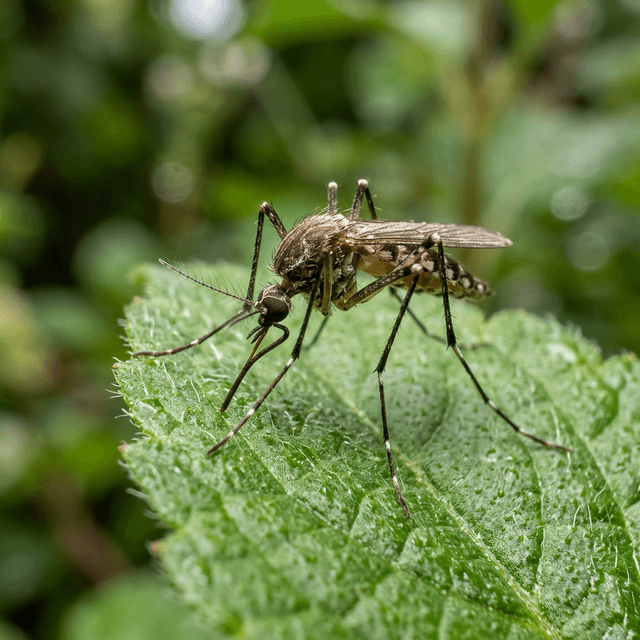
Slender body with long legs and a feeding proboscis
Narrow wings covered in fine scales
Adult length ranges from 3 to 6 mm
Coloration ranges from gray-brown to dark black with light markings
Larvae (wigglers) inhabit standing water bodies
Behavior & Habitat
Female mosquitoes locate hosts using carbon dioxide, body heat, and odors. They lay eggs in standing water (bird baths, clogged gutters, flowerpot saucers). Eggs hatch quickly in warm weather conditions.
Warning Signs
- •Frequent bites occurring during dawn, dusk, or shaded daytime hours
- •High audible buzzing activity around ears and outdoor spaces
- •Larvae swimming actively in standing water containers
- •Red, itchy welts developing post-exposure
- •High resting populations in cool, dense vegetation
Prevention Tips
- Empty standing water from pots, gutters, and containers weekly
- Maintain tight-fitting screens on doors and windows
- Use EPA-registered repellents for outdoor activities
- Keep lawn grass and perimeter bushes trimmed short
- Clean bird baths and rain barrels regularly
Treatment Approaches
Mosquito control centers on breeding site elimination, larvicide treatment in standing water, and foliage barrier sprays that reduce resting adult populations.
Use this guide safely
- Confirm the insect before treating
- Read product labels
- Keep treatments from children and pets
- Check local regulations
- Monitor after treatment