
Common Household Pests & Seasonal Cycles
Understand how aging housing stock, summer humidity, and seasonal changes drive ants, termites, mosquitoes, and rodents indoors.
Global Pest Library Research Team
Global Pest Library
Identifying common household pests requires analyzing seasonal pest cycles, regional climate conditions, and structural housing vulnerabilities. Across Pennsylvania, aging housing stock, warm summer humidity, and dense tree canopies create ideal habitats for insects and rodents.
From household insect identification to targeted prevention, understanding June pest emergence patterns, carpenter ant moisture indicators, subterranean termite risk factors, and summer indoor pest prevention keeps properties protected year-round.
Top 6 Common Household Pests in Pennsylvania
| Pest Name | Peak Season | Primary Threat / Risk Level | Key Identification Signs |
|---|---|---|---|
| Eastern Subterranean Termite | Spring (March – May) | Critical: Structural timber damage | Mud shelter tubes, winged swarmers, discarded wings |
| Black Carpenter Ant | Spring & Summer | High: Structural wood gallery excavation | Coarse sawdust (frass), large black ants indoors |
| House Mouse | Fall & Winter | High: Food contamination, electrical fire risk | Small pointed droppings, nocturnal wall scratching |
| German Cockroach | Year-round indoor | Moderate: Allergy & asthma triggers | Dark egg cases (oothecae), pepper-like fecal specks |
| Brown Marmorated Stink Bug | Fall emergence | Nuisance: Mass indoor aggregation | Shield-shaped mottled brown body, unpleasant odor |
| Mosquitoes & Ticks | Late Spring – Summer | Critical: West Nile Virus & Lyme Disease vector | Bites, standing water larvae, questing ticks on grass |
Why Aging Housing Stock Increases Pest Vulnerabilities
Pennsylvania features historic residential architecture, including century-old stone foundations in Pittsburgh, brick rowhouses in Philadelphia, and timber farmhouses in Lancaster County. Common structural vulnerabilities include:
- Settled Mortar & Fieldstone Gaps: Mortar deterioration creates direct entry routes for subterranean termites, spiders, and mice.
- Basement Moisture & Dirt Crawlspaces: High soil humidity softens floor joists, attracting carpenter ants and wood-boring beetles.
- Untreated Structural Lumber: Older framing lacks modern pressure-treated chemical barriers, making wood susceptible to fungal rot and termites.
Seasonal Emergence Cycles Across Pennsylvania Regions
In spring, soil warming drives termite swarms and ant foraging. Summer heat fuels rapid mosquito breeding, wasp nest expansion, and German cockroach reproduction. Fall cooling triggers stink bug and lady beetle aggregation on siding, alongside rodent migration toward indoor warmth. Winter shifts rodent and cockroach activity entirely into heated living spaces.
Actionable Prevention Steps for Homeowners
- Maintain a 12-inch stone or gravel perimeter buffer between soil and foundation walls.
- Eliminate standing water in birdbaths, clogged gutters, and outdoor plant saucers weekly.
- Install high-density door sweeps and weather stripping on exterior and garage doors.
- Store indoor food items in airtight glass or thick plastic containers.
Educational Resources & Next Steps
Understanding pest biology and seasonal behavior allows homeowners to implement proactive prevention before infestations take root. Visit our Pest Library for specialized identification guides and evidence-based management protocols.
Frequently Asked Questions
What is the most destructive household pest in Pennsylvania?
Why do stink bugs enter Pennsylvania homes in the fall?
How do I know if I have carpenter ants or termites?
Explore Pest Identification Guides
Global Pest Library provides independent, evidence-based research articles to help you identify household pests and understand safety protocols.
Explore Our Pest Library
Identify household pests and learn about evidence-based prevention options.
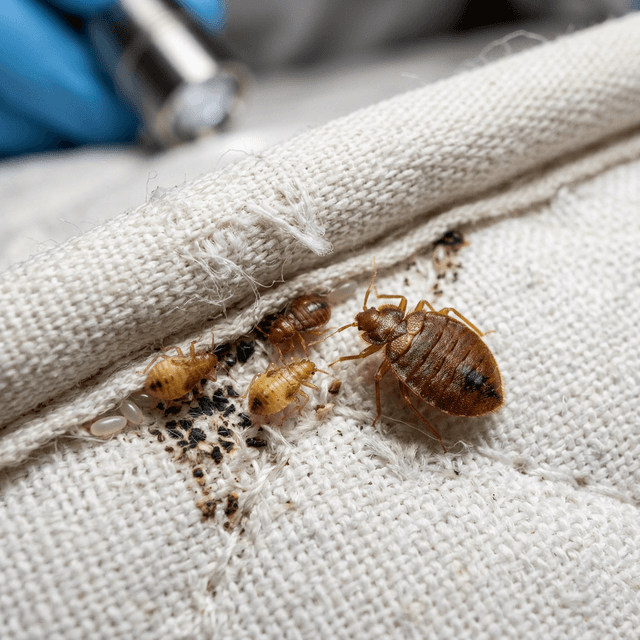
Bed Bugs
Comprehensive research and multi-lingual guidance for identifying, preventing, and preparing for bed bug eradication.
Learn more →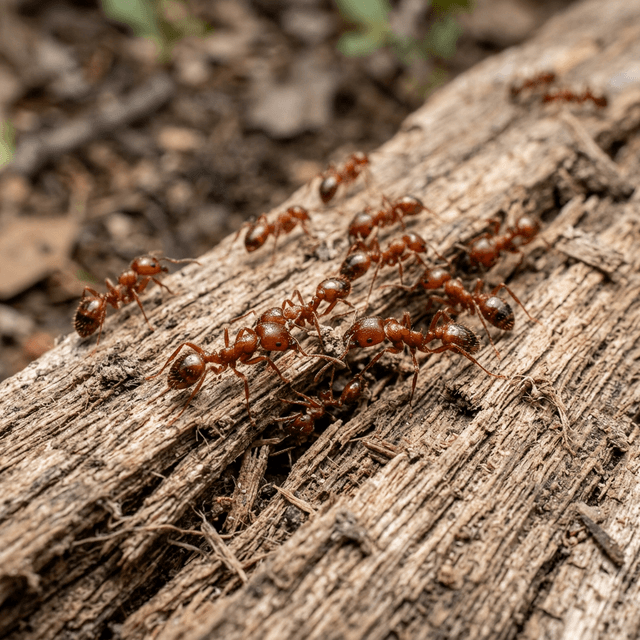
Ants
From pavement ants to carpenter ants, identify ant species and locate nests at their source.
Learn more →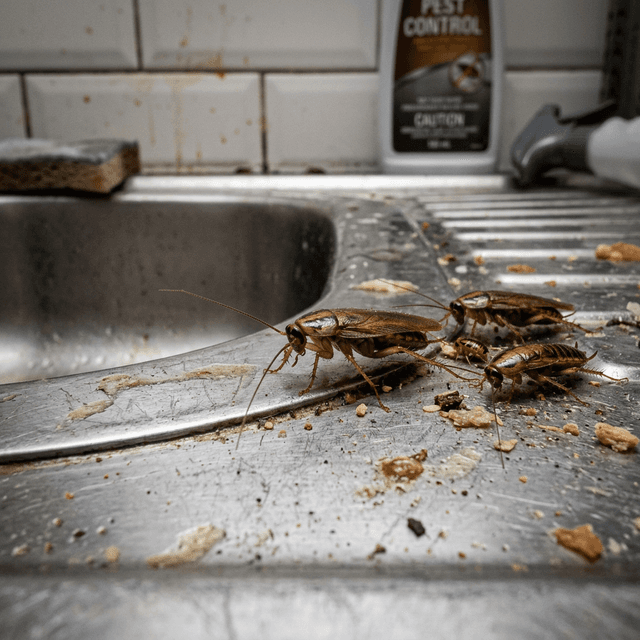
Cockroaches
Identify cockroach species and understand gel baits, IGRs, and sanitation protocols.
Learn more →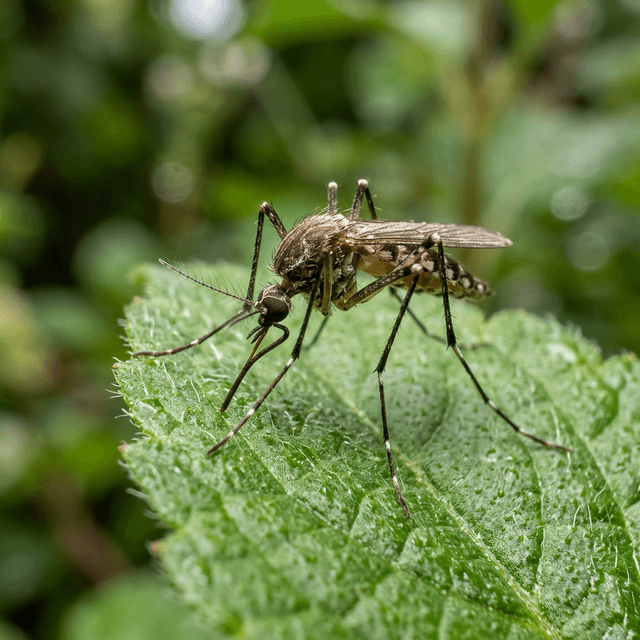
Mosquitoes
Larval source reduction and barrier treatment strategies to protect outdoor areas.
Learn more →