What Do Silverfish Look Like?
Learn what silverfish look like with clear physical markers, size details, color variations, three tail bristles, common household hiding spots, and insect comparisons.
Global Pest Library Research Team
Global Pest Library
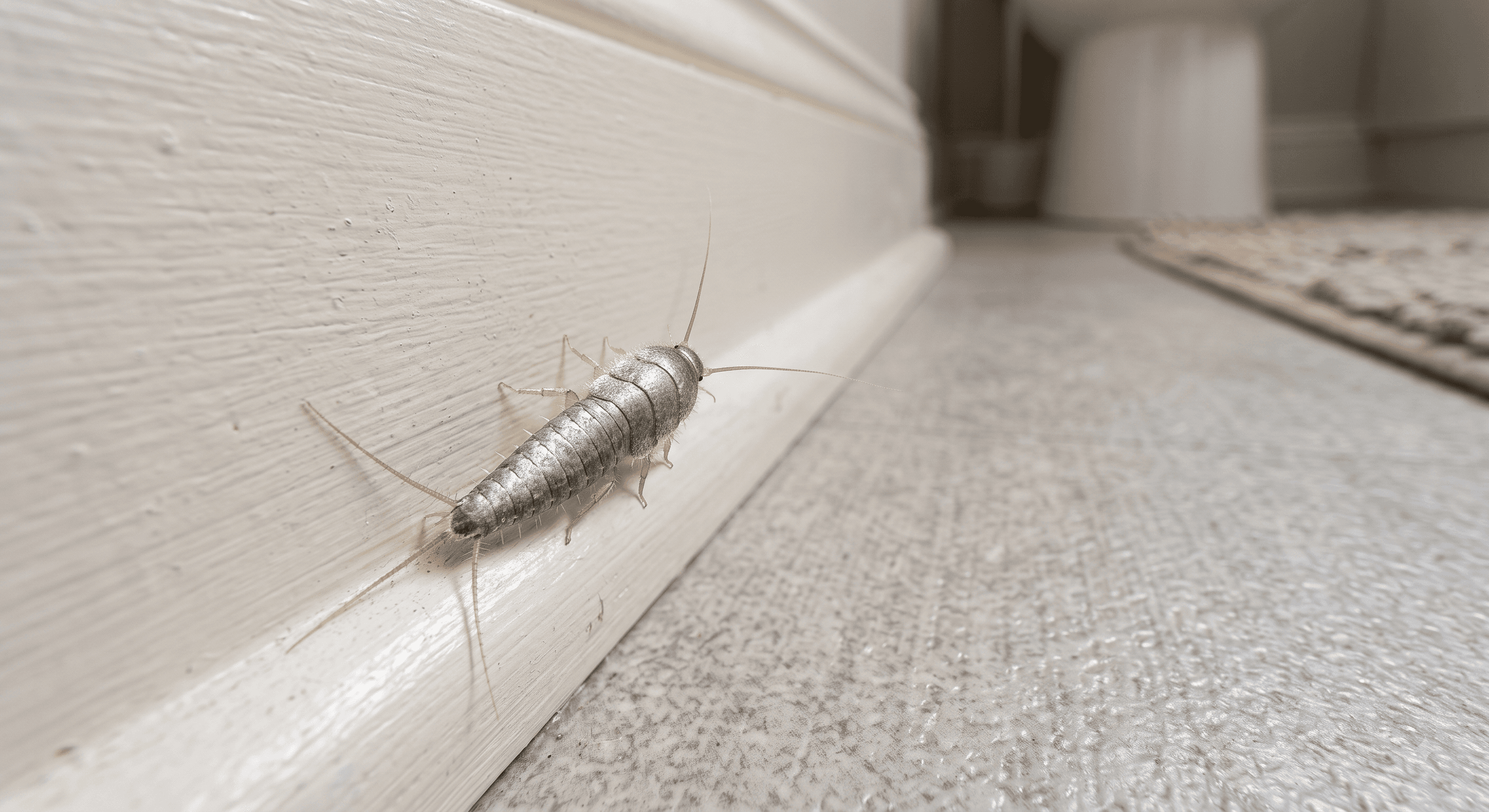
Silverfish are small, wingless insects with a flattened, elongated body that is usually silver, gray, or silvery-brown. They have two long antennae at the front and three long, bristle-like appendages at the rear. Their tapered body and quick, darting movements make them fairly distinctive once you know what to look for.
Adult silverfish are typically about ½ to ¾ inch long, not including their antennae and tail-like appendages.
What Does a Silverfish Look Like?
A silverfish has a smooth, flattened body that gradually tapers toward the rear. Its overlapping scales can give the insect a shiny, silvery appearance, which is where the name “silverfish” comes from.
The easiest features to recognize are:
- Color: Usually silver-gray, gray, or silvery-brown
- Body: Long, flattened, and tapered toward the rear
- Size: Usually around ½ to ¾ inch long as an adult
- Wings: None
- Antennae: Two long antennae extending from the head
- Tail: Three long, thin, bristle-like appendages at the rear
- Legs: Six relatively short legs
- Movement: Fast, sudden, darting movements
Their body shape can make them look somewhat like a tiny fish, particularly when they quickly move across a floor or wall.
How to Identify a Silverfish
If you find a small gray or silver insect indoors, look for the combination of these features rather than relying on color alone.
A silverfish has a tapered, carrot-shaped body, two long antennae, and three tail-like bristles at the rear. It is also wingless and usually moves quickly when disturbed.
The three appendages at the back are one of the most useful identification features. They extend from the rear of the body and can make a silverfish look almost like it has three small tails.
Silverfish vs. Other Household Insects
Silverfish can sometimes be confused with other small household insects, particularly firebrats. Both belong to the same general group and have a similar body shape, but silverfish are generally associated with cooler, more humid areas, while firebrats are more often found around warm areas.
Silverfish are also different from cockroaches because they have a much more tapered body and three distinctive tail-like appendages. Unlike many common household insects, silverfish have no wings.
Where Do Silverfish Usually Hide?
Silverfish are commonly found in dark, sheltered areas where moisture and food sources are available. You may encounter them in bathrooms, basements, closets, attics, storage areas, bookshelves, or around boxes and paper products.
They are primarily active at night, so you may notice one suddenly moving across a floor or wall after the lights are turned on.
Finding one silverfish does not necessarily mean there is a large infestation. However, repeated sightings can indicate that conditions around the home are suitable for them and that more may be hiding nearby.
What Should You Do If You Find a Silverfish?
Start by confirming the identification and checking nearby areas for additional silverfish or signs of activity. Pay particular attention to damp areas, clutter, stored paper products, cardboard, books, and cracks or gaps where insects can hide.
If you're seeing silverfish repeatedly, it is worth looking beyond the individual insect and identifying why they are present.
For a broader look at silverfish, including where they live, what attracts them, signs of an infestation, potential damage, and ways to control them, see our complete Silverfish: Identification, Signs, Behavior & Control guide.
Frequently Asked Questions
What does a silverfish look like in a house?
How can you tell a silverfish apart from a firebrat?
Why do silverfish move like fish?
Where are silverfish most commonly found indoors?
Explore Pest Identification Guides
Global Pest Library provides independent, evidence-based research articles to help you identify household pests and understand safety protocols.
Explore Our Pest Library
Identify household pests and learn about evidence-based prevention options.
Bed Bugs
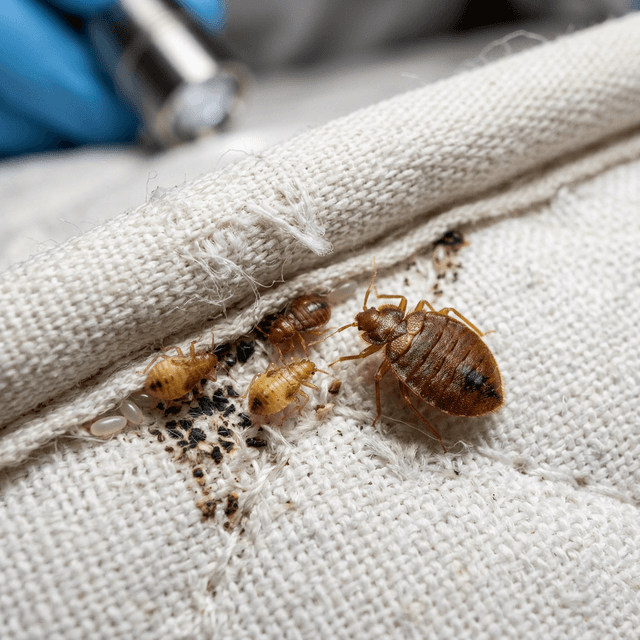
Comprehensive research and multi-lingual guidance for identifying, preventing, and preparing for bed bug eradication.
Learn more →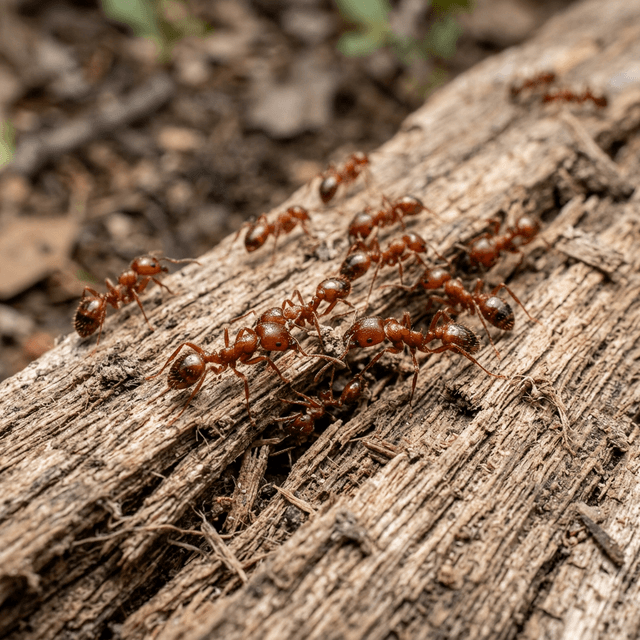
Ants
From pavement ants to carpenter ants, identify ant species and locate nests at their source.
Learn more →
Cockroaches
Identify cockroach species and understand gel baits, IGRs, and sanitation protocols.
Learn more →
Mosquitoes
Larval source reduction and barrier treatment strategies to protect outdoor areas.
Learn more →