
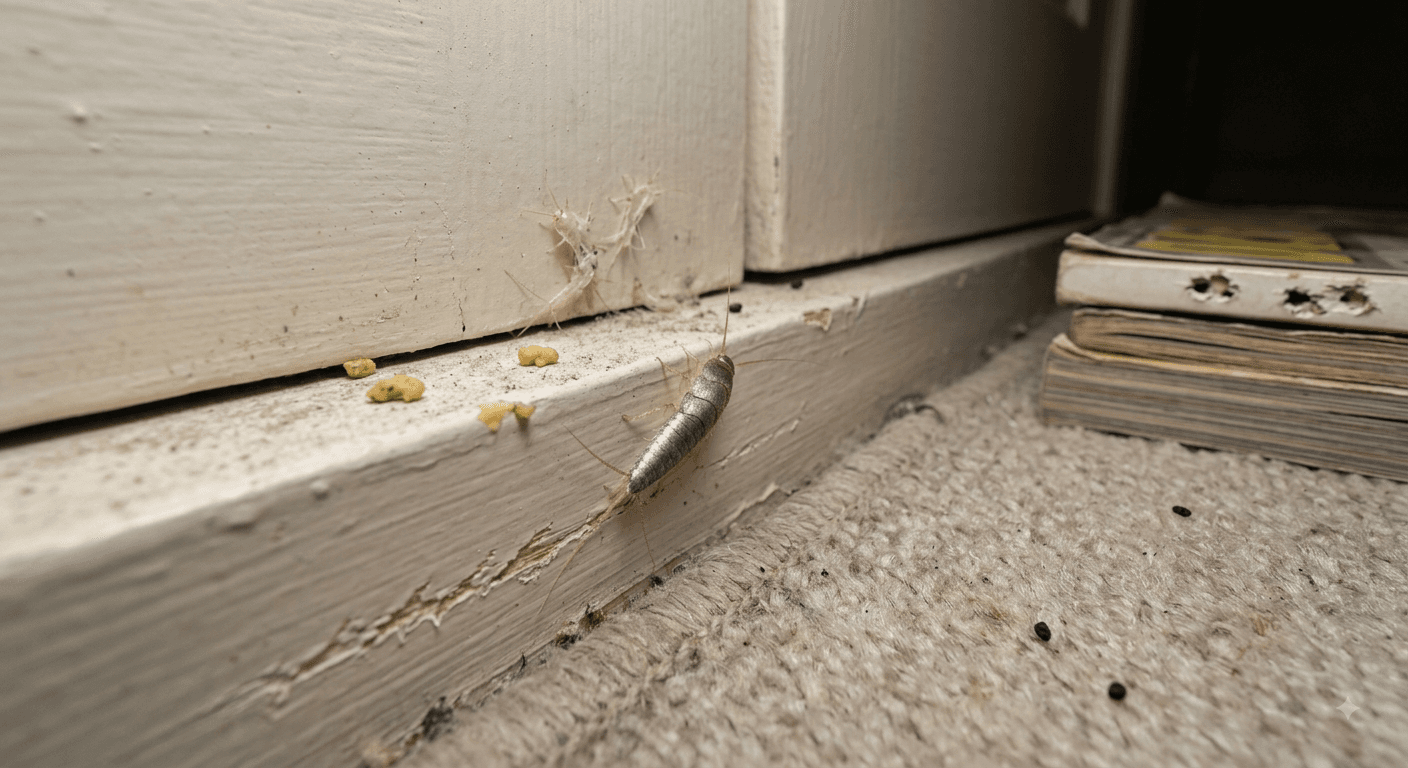
Signs of a Silverfish Infestation: How to Know If You Have Silverfish
Learn the key signs of a silverfish infestation. Spot shed skins, feeding damage on paper and books, yellow stains, and common moisture-prone hiding spots.
Global Pest Library Research Team
Global Pest Library
Seeing one silverfish in your home does not necessarily mean you have an infestation. However, repeated sightings, silverfish in multiple rooms, shed skins, droppings, or damage to paper and other materials can indicate that silverfish are established nearby.
Because silverfish are fast-moving and mostly active at night, you may notice the signs of an infestation before you see many live insects.
What Are the Signs of a Silverfish Infestation?
The most common signs include:
- Finding live silverfish, especially repeatedly
- Seeing silverfish in several areas of the house
- Finding tiny yellowish stains or droppings
- Discovering shed silverfish skins
- Small holes or irregular damage in paper, books, wallpaper, or cardboard
- Finding silverfish around damp, dark areas
- Seeing silverfish at night when lights are turned on
- Finding eggs or evidence of silverfish activity in cracks and hidden areas
One sign by itself may not confirm an infestation. Several signs occurring together are more significant.
1. You Keep Finding Live Silverfish
The clearest sign is repeatedly finding live silverfish indoors. A single silverfish may have wandered into an area accidentally. But if you are seeing them regularly, particularly at night, there may be a population hiding in nearby cracks, wall voids, storage areas, or other sheltered locations.
Pay attention to where you find them. Repeated sightings in bathrooms, basements, closets, laundry rooms, or other humid areas can point toward conditions that are supporting silverfish activity.
2. You Find Silverfish in More Than One Room
Finding silverfish in different parts of the house can be a stronger warning sign than finding one in a single location. For example, if you find silverfish in the bathroom as well as the basement or closets, they may be moving between areas that provide moisture, food, and shelter.
This does not necessarily mean the insects are living in every room. Silverfish can move through cracks, gaps, and concealed spaces in search of suitable conditions.
3. You Find Shed Silverfish Skins
Silverfish shed their skins as they grow, and these discarded skins can remain behind after the insect has moved on. Finding small, pale shed skins in dark areas, storage spaces, closets, or around other hiding places can be evidence of ongoing silverfish activity.
Shed skins are particularly useful to look for when you rarely see live insects.
4. You Notice Silverfish Droppings or Stains
Silverfish can leave behind tiny droppings and yellowish stains around areas where they feed or hide. The markings can be difficult to recognize on their own, so they should not automatically be assumed to be silverfish evidence. Look for other signs, such as live insects, shed skins, or feeding damage, before concluding that silverfish are responsible.
5. Books, Paper, or Cardboard Have Small Areas of Damage
Silverfish feed on materials containing starches and other carbohydrates. They can damage paper products, book bindings, wallpaper, cardboard, photographs, and similar materials.
Look for irregular holes, surface scraping, or damaged edges rather than large, clean holes. If this type of damage appears alongside silverfish sightings or shed skins, it can provide stronger evidence of an infestation.
6. You Find Silverfish in Damp, Dark Areas
Silverfish generally prefer areas with moisture and humidity. Common places to check include:
- Bathrooms and under sink plumbing
- Basements and crawlspaces
- Laundry rooms and utility closets
- Dark closets and storage spaces
- Bookshelves and areas containing cardboard boxes
Finding silverfish in these locations does not automatically mean there is an infestation. However, a consistently damp environment can make the area more suitable for silverfish to survive.
7. Silverfish Appear Mostly at Night
Silverfish are primarily nocturnal, so nighttime sightings are common. You may walk into a bathroom, basement, or other dark area, turn on the light, and see a silverfish quickly disappear beneath an object or into a crack. If this happens repeatedly, check the surrounding area for additional signs rather than assuming the insect was an isolated visitor.
Does Finding One Silverfish Mean You Have an Infestation?
Not necessarily. One silverfish can enter a home without establishing a population. The more concerning situation is repeated activity. Several live silverfish, sightings in different areas, shed skins, feeding damage, and evidence of suitable moisture conditions together provide a stronger indication that silverfish are established somewhere in or around the home.
Where Should You Look for Silverfish?
Start with areas that are dark, humid, undisturbed, or contain materials silverfish can feed on. Check around plumbing, beneath sinks, in basement storage areas, closets, bookshelves, cardboard boxes, and cracks or gaps near walls and floors. If you repeatedly find evidence in one area, look for the underlying conditions that may be attracting or supporting the insects, particularly excess moisture and humidity.
What Should You Do If You See Signs of Silverfish?
First, confirm that the insect is actually a silverfish. Several small household insects can be mistaken for one another, particularly firebrats. Then look for additional evidence rather than relying on a single sighting. Repeated live sightings, shed skins, feeding damage, and activity in damp areas provide a clearer picture of whether you may have a silverfish infestation.
For a complete overview of silverfish identification, behavior, habitat, damage, prevention, and control, see our complete silverfish guide.
Frequently Asked Questions
How do I know if I have a silverfish infestation?
What does silverfish damage look like on paper and books?
Does seeing one silverfish mean my house is infested?
How can I prevent silverfish from spreading?
Explore Pest Identification Guides
Global Pest Library provides independent, evidence-based research articles to help you identify household pests and understand safety protocols.
Explore Our Pest Library
Identify household pests and learn about evidence-based prevention options.
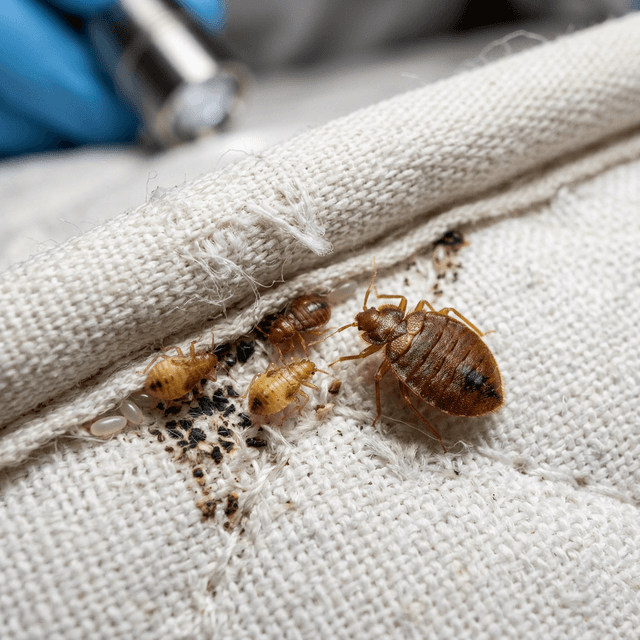
Bed Bugs
Comprehensive research and multi-lingual guidance for identifying, preventing, and preparing for bed bug eradication.
Learn more →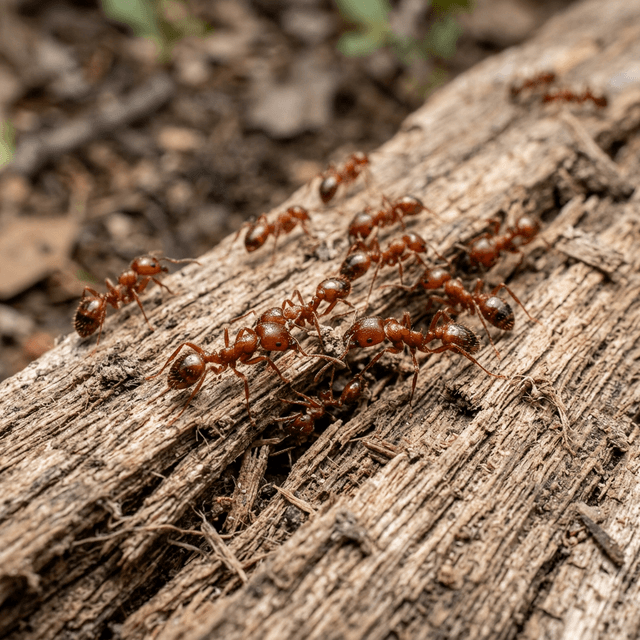
Ants
From pavement ants to carpenter ants, identify ant species and locate nests at their source.
Learn more →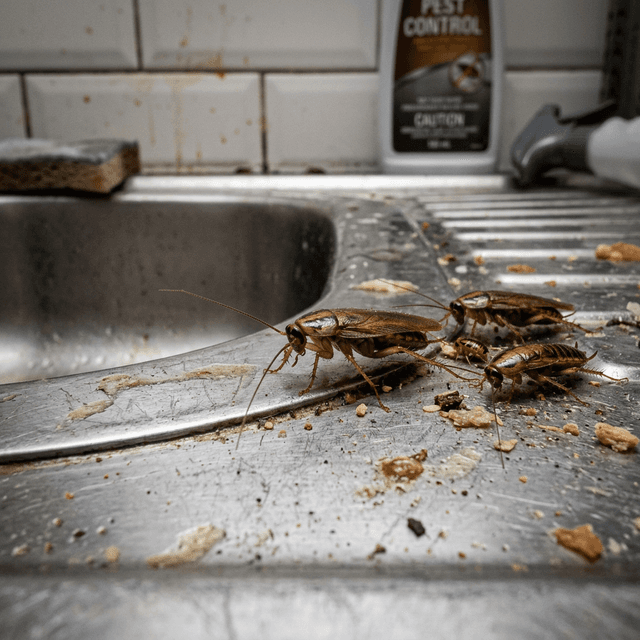
Cockroaches
Identify cockroach species and understand gel baits, IGRs, and sanitation protocols.
Learn more →
Mosquitoes
Larval source reduction and barrier treatment strategies to protect outdoor areas.
Learn more →