What Do Bed Bugs Look Like? Complete Identification Guide
Learn what bed bugs look like at all life stages. Discover adult size, color changes after feeding, baby nymphs, eggs, mattress signs, and insect comparisons.
Global Pest Library Research Team
Global Pest Library
Bed bugs are small, flat, reddish-brown insects that feed on blood. Adult bed bugs are about the size and shape of an apple seed, making them visible to the naked eye but easy to overlook because they hide in cracks, mattress seams, bed frames, and other dark areas.
If you are trying to determine whether a bug you found is a bed bug, its size, shape, color, and life stage can help with accurate identification.
What Do Bed Bugs Look Like?
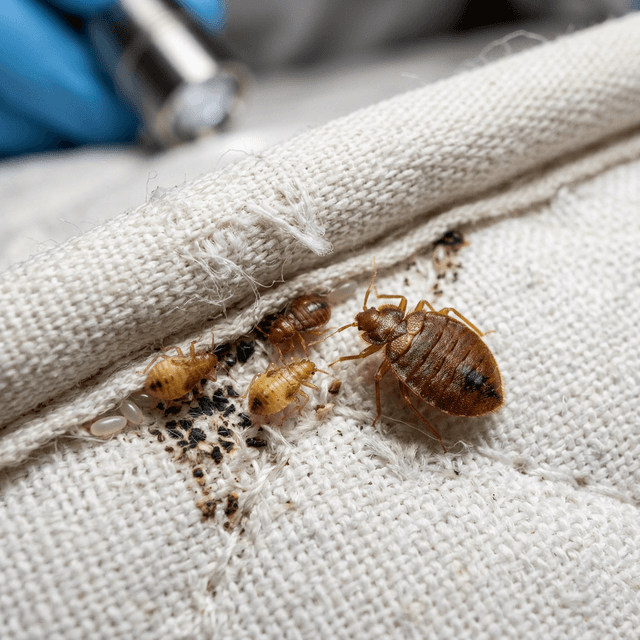
An adult bed bug has a broad, oval-shaped body that is flattened from top to bottom. Before feeding, it is usually reddish-brown. After feeding, its abdomen becomes more elongated and darker because it is filled with blood.
Adult bed bugs are generally around 1/4 inch long (about 4 to 5 mm), although their appearance changes depending on whether they have recently fed.
Typical adult bed bug characteristics include:
- Oval, flattened body (shaped like an apple seed)
- Reddish-brown or mahogany color
- Six legs and small antennae
- No wings (incapable of flight)
- About 1/4 inch (4 to 5 mm) in length
- Body becomes swollen, elongated, and darker red after feeding
Bed bugs are not designed for jumping or flying. They crawl and can hide in very narrow cracks and crevices.
What Do Baby Bed Bugs Look Like?
Baby bed bugs are called nymphs. They look similar to adult bed bugs in overall shape, but are much smaller and lighter in color.
Newly hatched nymphs can be extremely small (about 1 mm) and are often pale, translucent, or yellowish-white. As they grow through five nymphal stages, they become progressively larger and darker.
After feeding, a nymph can appear bright red or dark crimson because blood is clearly visible through its translucent body wall.
This means a very small, pale insect found around a bed should not automatically be dismissed because it does not look like a typical adult bed bug.
What Do Bed Bug Eggs Look Like?
Bed bug eggs are much smaller than adult bed bugs. They are generally pearl-white or creamy white and about 1 millimeter long (roughly the size of a pinhead).
They may look like tiny grains or specks attached to a surface with a sticky secretion. Eggs can be found in clusters or individually, particularly in protected areas close to where bed bugs hide.
You may also find empty, papery eggshells after nymphs hatch.
Because bed bug eggs are so small, they can be difficult to identify without close inspection using a bright flashlight.
What Do Bed Bugs Look Like on a Mattress?
Bed bugs commonly hide around mattresses, particularly along seams, folds, piping, labels, and other areas where the fabric creates a protected gap.
When inspecting a mattress, look for more than just live insects. Other evidence can include:
- Live bed bugs crawling along seams or clustered in corners
- Tiny pale eggs stuck to fabric folds and piping
- Shed nymph skins (pale, translucent exoskeletons)
- Dark fecal spots resembling tiny black ink dots or pepper specks
- Small reddish-brown blood stains on sheets and mattress fabric
- Groups of insects or eggs around seams, tufts, and crevices
A mattress does not need to contain visible bed bugs for an infestation to be present. Bed bugs can also hide in the box spring, bed frame, headboard, nearby furniture, and cracks around the room.
Bed Bug Appearance at Different Life Stages
| Life Stage | Approx. Size | Typical Appearance | Key Distinguishing Feature |
|---|---|---|---|
| Egg | 1 mm | Tiny, pearl-white or creamy-white | Glued into seams; resembles miniature rice grain |
| First-stage nymph | 1.5 mm | Very small, pale or translucent | Nearly transparent until first blood meal |
| Older nymph (instars 2–5) | 2.0 – 4.5 mm | Larger, amber to yellowish-brown | Darkens with each molt; cast skins found nearby |
| Adult | 5 – 7 mm (~1/4 in) | Reddish-brown, oval and flattened | Apple seed size; body swells and elongates when fed |
Bed bugs pass through five nymphal stages before becoming adults. Their appearance therefore depends partly on their age and whether they have recently fed.
Can You See Bed Bugs With the Naked Eye?
Yes. Adult bed bugs are large enough to be seen clearly without a microscope. However, their small size, ability to hide in paper-thin cracks, and nocturnal habits can make them difficult to spot during daytime.
Nymphs and eggs are considerably harder to see because they are much smaller and lighter in color, often blending with mattress seams and light wood.
If you find a suspected bed bug, avoid identifying it based on size alone. Look at its body shape, color, number of legs, and other characteristics, and consider the surrounding physical evidence.
Bed Bugs vs. Other Common Bugs
Bed bugs can be confused with several other small household insects. Comparing their key physical differences helps ensure accurate identification:
Bed bugs vs. fleas: Fleas are smaller (1 to 3 mm), darker, laterally compressed (narrow side-to-side), and jump several inches high. Bed bugs are flattened dorsoventrally (top-to-bottom) and crawl rather than jump.
Bed bugs vs. ticks: Ticks are arachnids rather than insects and possess eight legs as adults, with no antennae. Bed bugs are true insects with six legs and prominent antennae.
Bed bugs vs. mosquitoes: Mosquitoes have long slender legs, wings for flight, and an elongated proboscis. Bed bugs are completely wingless and have a broader, compact oval body.
Bed bugs vs. carpet beetles: Carpet beetle larvae are covered in bristles or hairs; adult carpet beetles have hard, rounder shells with mottled patterns, unlike the flat reddish body of a bed bug.
Because several insects can look similar at a quick glance, a photograph or professional identification may be useful when the identification is uncertain.
How to Tell If a Bug Is a Bed Bug
When examining a suspected insect, look for the combination of these seven characteristics:
- Small and broad oval-shaped body (about apple seed size)
- Flattened body from top to bottom when unfed
- Reddish-brown or mahogany color, turning darker reddish and swollen after feeding
- Six legs and a pair of segmented antennae
- No wings (incapable of flight)
- Found around mattresses, bed frames, furniture, or other protected sleeping areas
- Presence of additional evidence nearby, such as eggs, shed skins, fecal spots, or blood stains
No single characteristic should be treated as conclusive. The location where the insect was found and the other signs around it can help establish whether it is actually a bed bug.
Quick Bed Bug Identification Guide
If you are wondering what bed bugs look like, remember the basic characteristics:
- Adult: reddish-brown, oval, flattened, approximately 1/4 inch long.
- Nymph: much smaller, pale or translucent, becoming darker as it develops.
- Egg: tiny, white or creamy-white and approximately 1 millimeter long.
- After feeding: the body becomes more swollen and reddish.
If you have found a suspected bed bug or other signs around your bed, compare the insect with the characteristics above rather than relying on size or color alone.
For a broader look at bed bug identification, life stages, signs, behavior, and related information, visit our Bed Bugs guide.
Frequently Asked Questions
What do bed bugs look like to the naked eye?
What do baby bed bugs (nymphs) look like?
What do bed bug eggs look like?
Can bed bugs jump or fly?
How do I tell the difference between a bed bug, a flea, and a tick?
Explore Pest Identification Guides
Global Pest Library provides independent, evidence-based research articles to help you identify household pests and understand safety protocols.
Explore Our Pest Library
Identify household pests and learn about evidence-based prevention options.
Bed Bugs
Comprehensive research and multi-lingual guidance for identifying, preventing, and preparing for bed bug eradication.
Learn more →
Ants
From pavement ants to carpenter ants, identify ant species and locate nests at their source.
Learn more →
Cockroaches
Identify cockroach species and understand gel baits, IGRs, and sanitation protocols.
Learn more →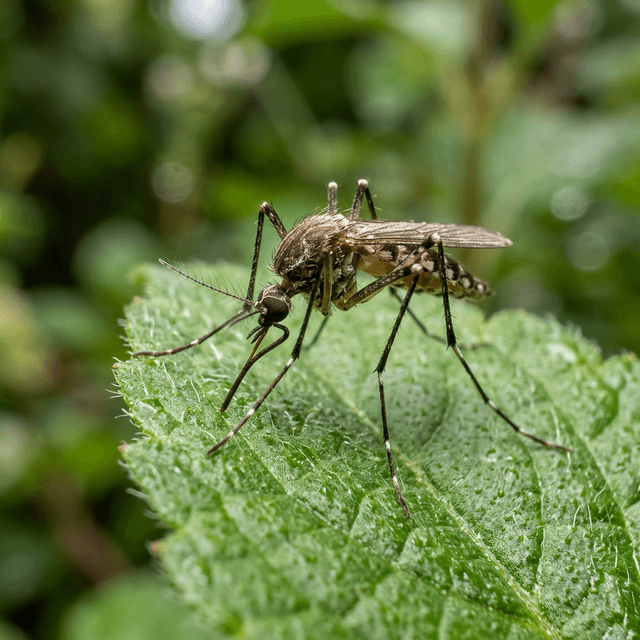
Mosquitoes
Larval source reduction and barrier treatment strategies to protect outdoor areas.
Learn more →