
Silverfish and Firebrat: How to Identify and Tell the Difference
Learn how to tell silverfish and firebrats apart. Compare color markings, body shapes, temperature preferences, damage signs, and indoor habitats.
Global Pest Library Research Team
Global Pest Library
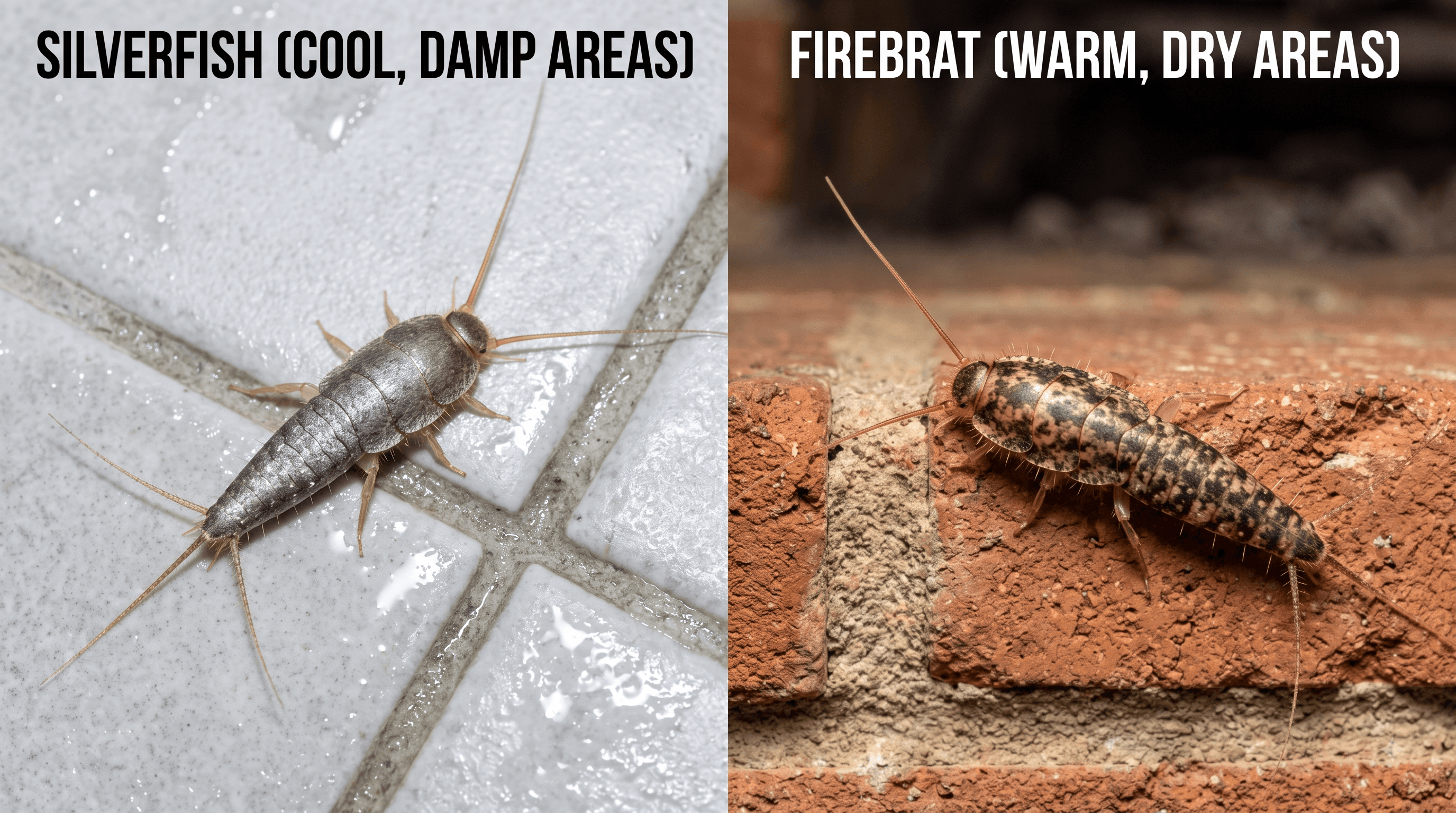
Silverfish and firebrats look remarkably similar. Both are small, wingless insects with flattened, tapered bodies, long antennae, and three tail-like appendages. The easiest way to tell them apart is to look at their color, markings, and the type of environment where you find them.
A silverfish is usually silvery or pearl gray, while a firebrat is generally gray or brown with darker mottled markings. Their preferred temperatures also differ: silverfish favor cooler, humid areas, while firebrats are strongly associated with warm, humid locations.
What Do Silverfish and Firebrats Have in Common?
Before comparing them, it helps to know why these insects are so easily confused. Both silverfish and firebrats are:
- Small, usually around ½ inch long, although some silverfish species can reach about ¾ inch
- Wingless and unable to fly
- Flat and tapered toward the rear
- Covered with scales as adults
- Equipped with two long antennae
- Equipped with three long, bristle-like appendages at the rear
- Fast-moving and primarily active at night
Their quick, darting movement can make identification difficult if you only get a brief glimpse.
Silverfish vs. Firebrat: The Main Differences
| Feature | Silverfish | Firebrat |
|---|---|---|
| Color | Silvery or pearl gray | Gray or brown with mottled markings |
| Appearance | Usually uniform and metallic-looking | More speckled, mottled, or banded |
| Body | Flattened and tapered | Flattened and somewhat stockier |
| Temperature preference | Cooler, humid environments (70°F–80°F) | Very warm, humid environments (90°F–106°F) |
| Common locations | Basements, bathrooms, closets, lower floors | Furnaces, boilers, ovens, hot pipes, heated attics |
| Wings | None | None |
| Antennae | Long | Very long |
| Tail appendages | Three bristle-like filaments | Three bristle-like filaments |
Color alone is not always enough for identification because different silverfish species can vary in appearance. The location where you found the insect can provide an important additional clue.
What Does a Silverfish Look Like?
Silverfish typically have a shiny silver-gray or pearl-gray body with a relatively uniform appearance. Their body is flattened and gradually tapers toward the rear.
Look for the characteristic two long antennae at the front and three long filaments extending from the rear. Adult silverfish are commonly about ½ inch long, although some species can grow larger.
If the insect you found is smooth-looking, silvery, and has no obvious dark pattern, it is more likely to be a silverfish.
What Does a Firebrat Look Like?
Firebrats have essentially the same basic body structure as silverfish, but their appearance is usually darker and more mottled.
A firebrat may appear gray, brown, tan, or yellowish-brown, with darker patches or irregular markings across its body. Its body is also flattened and tapered, and it has the same long antennae and three tail-like appendages.
The name “firebrat” is a useful clue to its habitat. These insects are strongly associated with hot areas such as around furnaces, boilers, ovens, fireplaces, and hot-water pipes.
Silverfish or Firebrat? Check Where You Found It
Habitat can be one of the quickest ways to narrow down the identification.
If you found the insect in a cool, damp basement, bathroom, laundry room, closet, or area around plumbing, a silverfish is more likely. Silverfish commonly seek humid areas and may also be found around books, paper, cardboard, and stored materials.
If you found a similar-looking insect near a furnace, boiler, oven, fireplace, heating unit, or hot-water pipe, a firebrat is more likely. Firebrats have a much stronger preference for high temperatures than typical silverfish.
Do Silverfish and Firebrats Cause the Same Damage?
They can. Both pests feed on a variety of starchy and carbohydrate-rich materials and can damage items such as paper, books, wallpaper, cardboard, and certain stored foods.
Their feeding can leave irregular holes, scraped surfaces, or damage around paper products and book bindings. Finding damage together with shed scales can be another clue that silverfish or firebrats are present.
How Do You Know Which One You Have?
Use three clues together:
- 1. Look at the color: Silvery and relatively uniform suggests a silverfish. Gray or brown with darker mottling suggests a firebrat.
- 2. Look at the surroundings: Cool and humid areas point more toward silverfish. Very warm and humid areas point more toward firebrats.
- 3. Look at the body: Both should have a flattened, tapered body, long antennae, no wings, and three tail-like appendages.
If the insect does not clearly match either description, identification from a quick sighting can be difficult because several bristletail species can look similar.
Are Silverfish and Firebrats a Sign of a Pest Problem?
Finding one does not necessarily mean you have a large infestation. Repeated sightings, however, can indicate that the conditions around your home are suitable for these insects.
Moisture, humidity, food sources, clutter, and sheltered cracks can all provide favorable conditions. Reducing moisture and removing potential hiding and feeding areas can help make the environment less suitable for them.
If you're trying to determine exactly what you found, start with the color and markings, then consider where you found it. Those two clues usually provide the quickest way to distinguish a silverfish from a firebrat.
For a more complete look at silverfish, including their appearance, behavior, signs of an infestation, where they live, and how they are controlled, see our complete silverfish guide.
Frequently Asked Questions
What is the main difference between silverfish and firebrats?
Do firebrats and silverfish bite humans?
Can silverfish and firebrats infest the same house?
How do you eliminate silverfish and firebrats?
Explore Pest Identification Guides
Global Pest Library provides independent, evidence-based research articles to help you identify household pests and understand safety protocols.
Explore Our Pest Library
Identify household pests and learn about evidence-based prevention options.
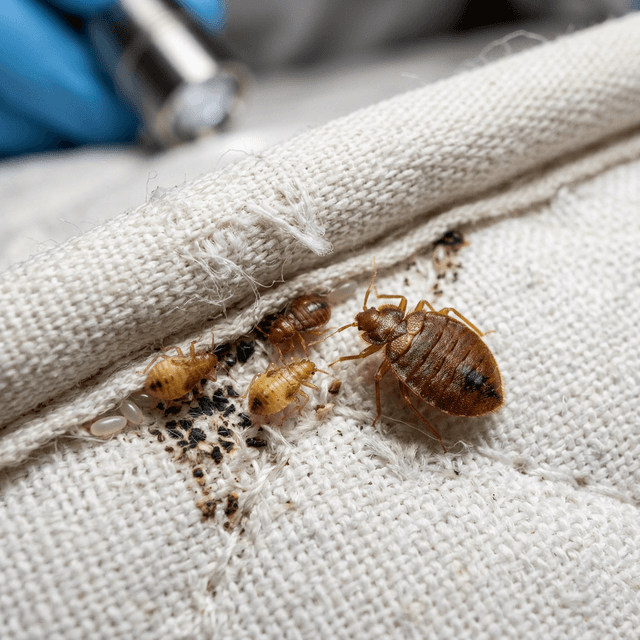
Bed Bugs
Comprehensive research and multi-lingual guidance for identifying, preventing, and preparing for bed bug eradication.
Learn more →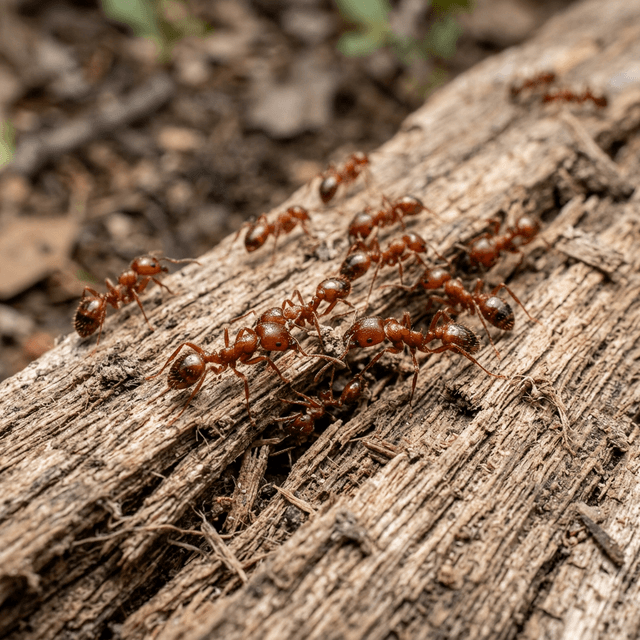
Ants
From pavement ants to carpenter ants, identify ant species and locate nests at their source.
Learn more →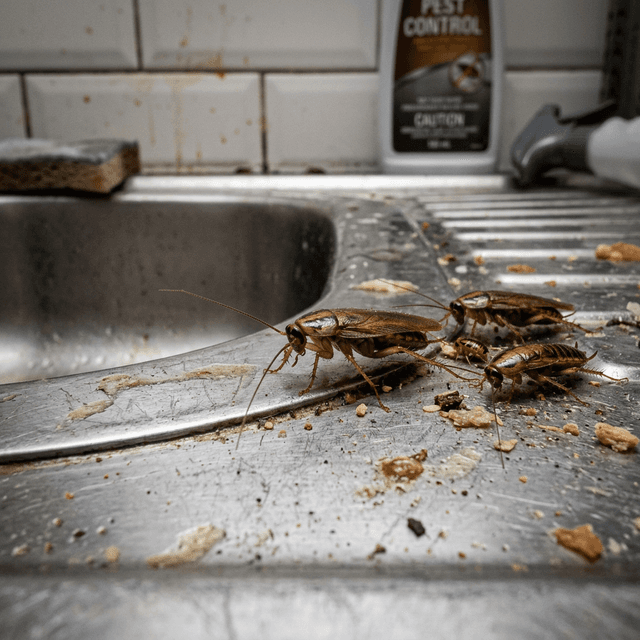
Cockroaches
Identify cockroach species and understand gel baits, IGRs, and sanitation protocols.
Learn more →
Mosquitoes
Larval source reduction and barrier treatment strategies to protect outdoor areas.
Learn more →