
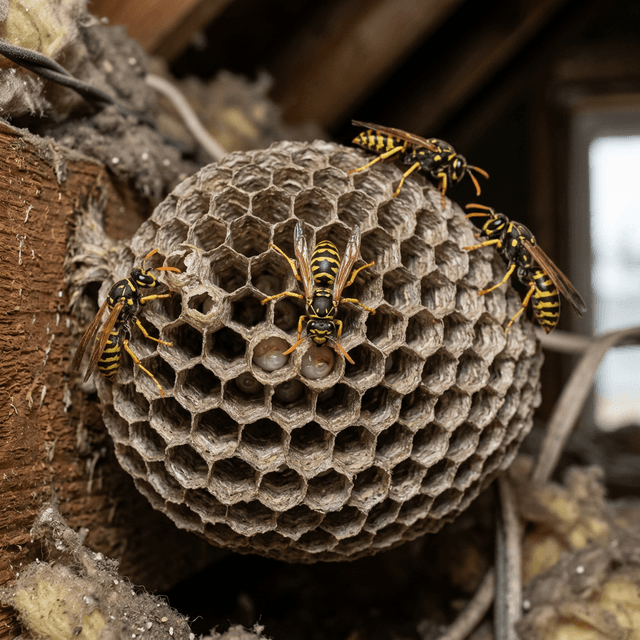
Seasonal Pest Activity Calendar Guide
Predictable seasonal pest cycles explained month-by-month. Know when termites, mosquitoes, stinging insects, stink bugs, and rodents emerge.
Global Pest Library Research Team
Global Pest Library
Following a month by month pest calendar helps Pennsylvania homeowners anticipate seasonal pest activity schedule patterns and prepare for annual pest emergence calendar shifts. Climate microclimates across the Commonwealth influence when insects and rodents emerge.
From spring termite swarms to peak summer mosquito outbreaks, fall stink bug migration, and winter rodent indoor movements, proactive timing reduces structural risk and health hazards.
12-Month Pennsylvania Pest Activity Calendar
| Month | Primary Active Pests | Dominant Pest Behavior | Recommended Proactive Action |
|---|---|---|---|
| January | House Mice, Norway Rats, German Cockroaches | Indoor nesting in heated basements and attics | Set indoor snap traps, seal interior plumbing gaps |
| February | Mice, Rats, Silverfish, Pantry Pests | Sustained indoor foraging and pantries access | Store grains in metal/glass; conduct interior exclusion |
| March | Carpenter Ants emergence, Early Spiders | Forging workers wake up near warm foundations | Schedule early spring inspection, prune tree limbs |
| April | Subterranean Termites, Pavement Ants | Termite swarming flights following spring rains | Inspect foundation walls for mud shelter tubes |
| May | Mosquitoes hatching, Deer Ticks, Yellowjackets | Egg hatching in standing water, tick questing | Clear outdoor standing water, apply lawn tick barriers |
| June | Kitchen Ants, Wasps, Mosquitoes, Termites | Peak outdoor breeding and colony population growth | Install exterior perimeter barrier treatment |
| July | Mosquitoes (Peak), Asian Tiger Mosquitoes, Ants | High heat accelerates insect life cycles | Maintain gutter drainage, check window screens |
| August | Yellowjackets (Aggressive), Hornets, Spiders | Yellowjacket colonies reach peak size & aggression | Avoid DIY nest removal; secure outdoor garbage lids |
| September | Mice exterior gathering, Stink Bugs, Spiders | Cooling nights trigger migration toward structures | Seal exterior foundation cracks & window gaps |
| October | Brown Marmorated Stink Bugs, Boxelder Bugs | Mass indoor aggregation on warm south siding | Apply perimeter barrier, seal siding utility gaps |
| November | House Mice indoor invasion, Norway Rats | Rodents move fully inside heated wall voids | Install metal door sweeps, inspect attic insulation |
| December | Winter Rodent persistence, German Cockroaches | Established indoor breeding colonies active | Monitor trap arrays, maintain sanitary kitchens |
Microclimates and Regional Variations in Pennsylvania
- Southeastern PA (Philadelphia & Suburbs): Milder winters lead to earlier spring emergence and longer mosquito seasons.
- Western PA (Pittsburgh & Allegheny County): River valley humidity accelerates carpenter ant and subterranean termite activity.
- Northern Tier & Pocono Mountains: Colder winters cause earlier fall rodent and stink bug indoor invasions.
Structural Damage Pests vs Health Risk Pests
Structural damage pests (termites, carpenter ants, powderpost beetles) consume or excavate wood framing, while health risk pests (deer ticks carrying Lyme disease, mosquitoes vectoring West Nile virus, rodents contaminating food) pose direct physical health threats.
Staying Ahead of Seasonal Pests
Maintaining seasonal awareness allows property owners to block pests before indoor entry occurs. Browse our Pest Library for specialized identification guides and evidence-based seasonal protocols.
Frequently Asked Questions
Which month has the highest pest activity in Pennsylvania?
When do rodents start moving indoors in PA?
When is termite season in Pennsylvania?
Explore Pest Identification Guides
Global Pest Library provides independent, evidence-based research articles to help you identify household pests and understand safety protocols.
Explore Our Pest Library
Identify household pests and learn about evidence-based prevention options.
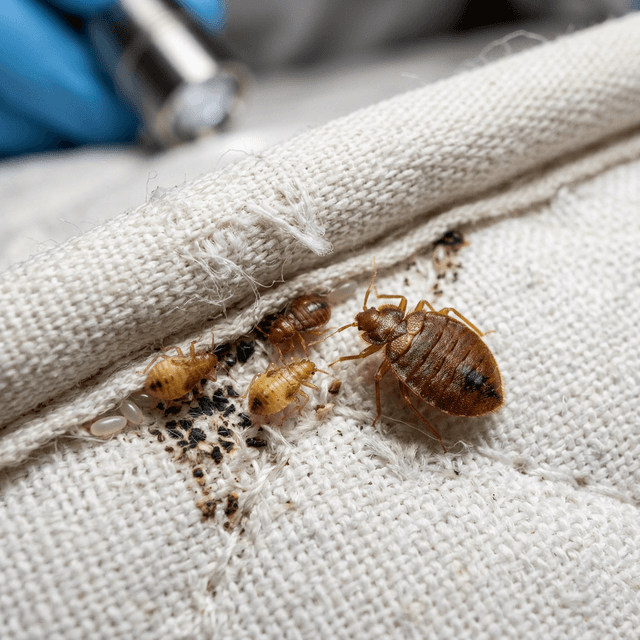
Bed Bugs
Comprehensive research and multi-lingual guidance for identifying, preventing, and preparing for bed bug eradication.
Learn more →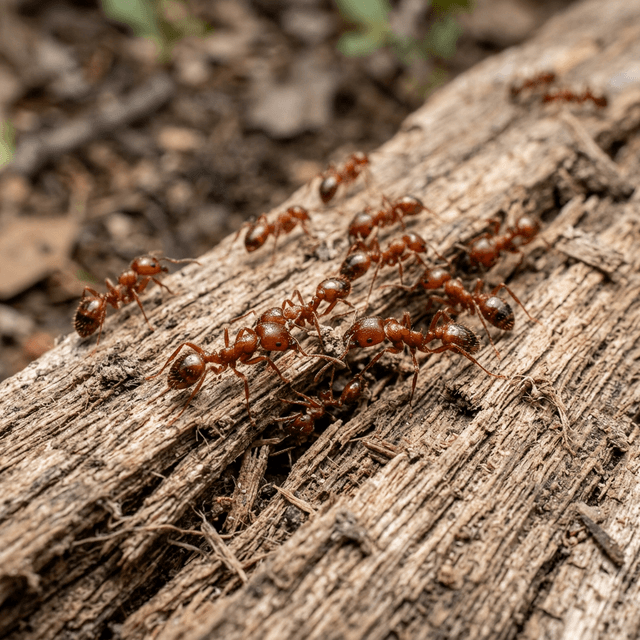
Ants
From pavement ants to carpenter ants, identify ant species and locate nests at their source.
Learn more →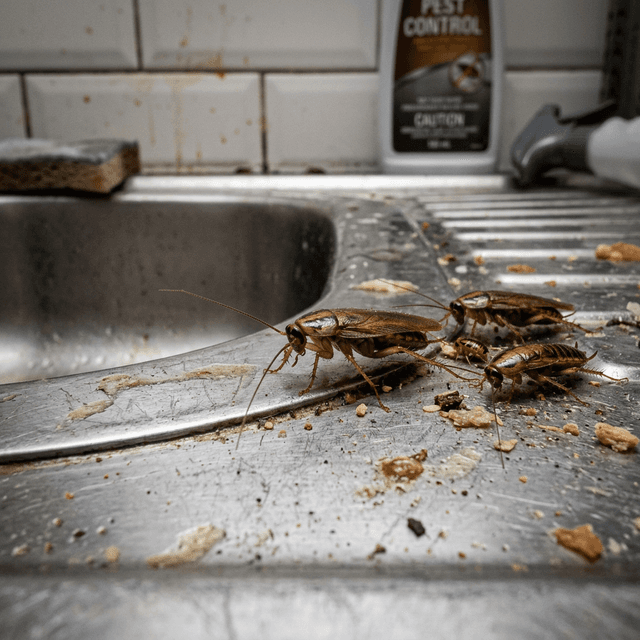
Cockroaches
Identify cockroach species and understand gel baits, IGRs, and sanitation protocols.
Learn more →
Mosquitoes
Larval source reduction and barrier treatment strategies to protect outdoor areas.
Learn more →