
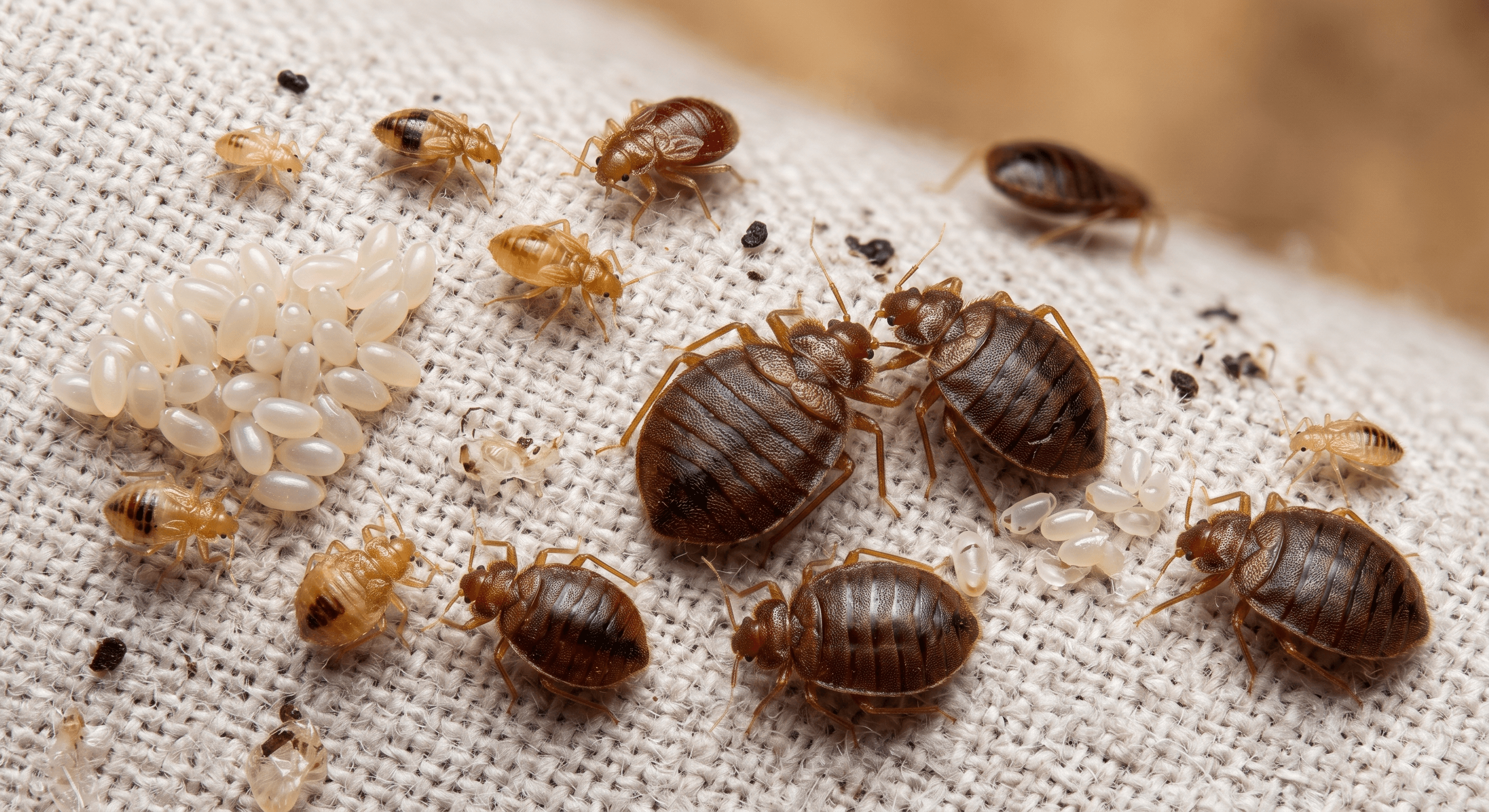
How to Get Rid of Bed Bugs: Home Treatment, Safety & When to Call a Professional
Learn how to get rid of bed bugs safely at home using heat, vacuuming, steam and other methods, plus when a large infestation requires professional treatment.
Global Pest Library Research Team
Global Pest Library
If you have found bed bugs, you do not necessarily need professional treatment immediately. A small, localized infestation can sometimes be dealt with at home, but bed bug control usually requires several methods rather than one spray or a single treatment.
The safest approach is to first identify how extensive the infestation is, reduce the number of bed bugs and their hiding places, use heat or other appropriate methods where possible, and only use a pesticide that is legally approved for bed bugs in your country.
If the infestation is large or has spread to multiple areas, professional treatment is usually the better choice.
Can You Get Rid of Bed Bugs Yourself?
You can try treating a small infestation yourself, particularly when you have found only a few bed bugs and can identify where they are hiding.
Before starting any treatment, ensure you have correctly confirmed the species with our guide on bed bug identification.
DIY treatment generally works best when you combine several methods:
- Washing and drying bedding and clothing with appropriate heat
- Vacuuming mattresses, furniture, floors, and cracks
- Using steam where appropriate
- Reducing clutter and hiding places
- Using mattress and box spring encasements
- Using bed bug monitors or interceptors
- Applying an approved bed bug pesticide when appropriate
This type of combined approach is often called integrated pest management. The U.S. EPA recommends combining chemical and non-chemical methods, while France's ANSES specifically recommends prioritizing non-chemical methods such as cleaning, vacuuming, heat, steam, and freezing.
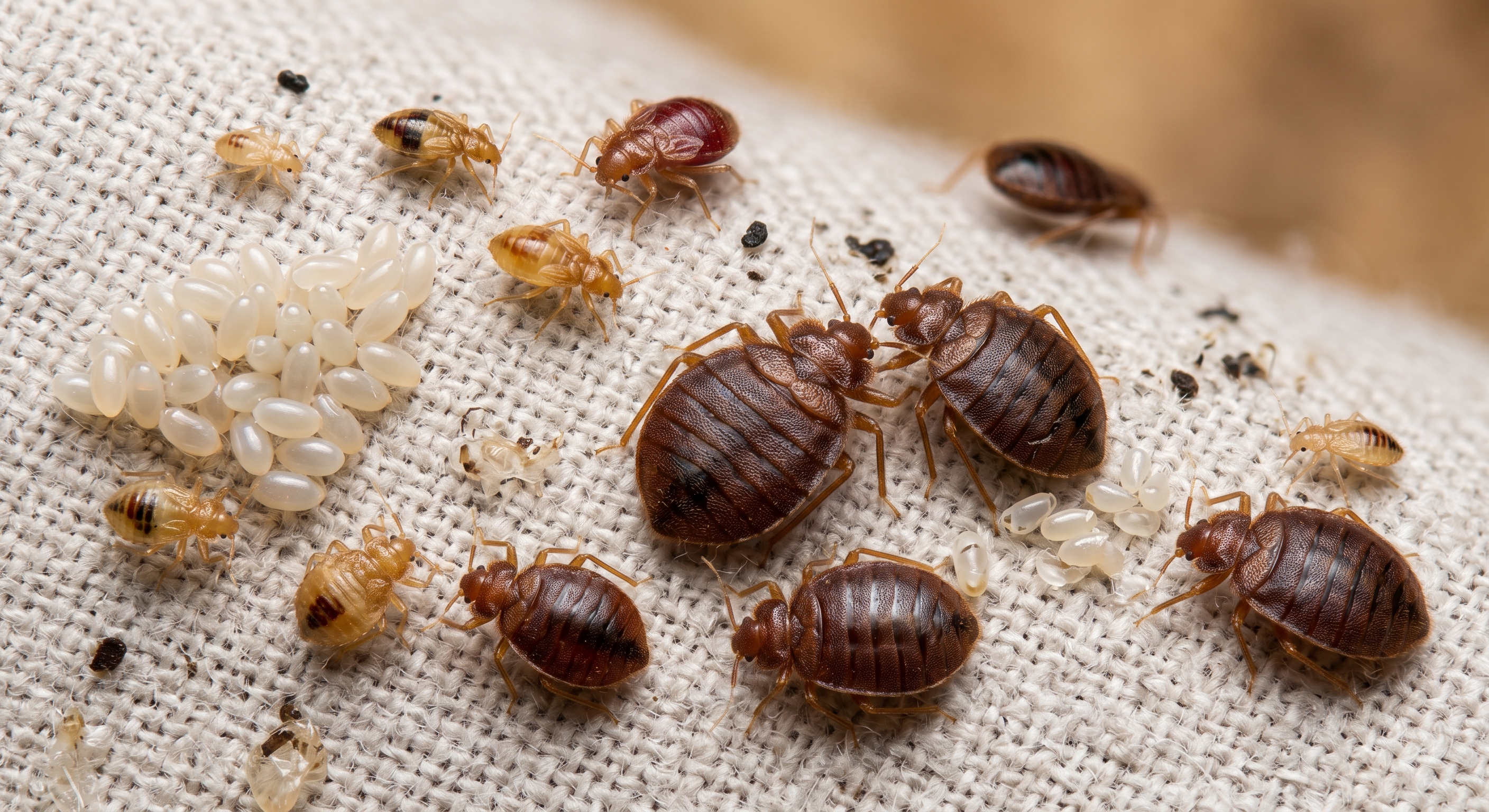
Start by Washing and Drying Bedding and Clothing
Remove bedding, clothing, and other washable items from the affected area.
Wash them using the hottest temperature that is safe for the fabric, then use a high-temperature dryer cycle when the item can safely tolerate it.
Heat is particularly useful because bed bugs can be present in bedding and clothing without being visible. German federal health guidance recommends washing bedding and clothing at 60°C and drying them at high temperatures. UK public-health guidance similarly recommends hot washing or high-temperature drying for affected items.
Do not carry loose infested clothing or bedding through the home. Place items into sealed bags before moving them to the washing area when practical.
Vacuum the Bed and Surrounding Areas
Thoroughly vacuum the mattress seams, bed frame, nearby furniture, floors, carpet edges, and cracks where bed bugs may be hiding.
Pay particular attention to areas close to the bed.
Vacuuming will not necessarily eliminate an infestation by itself, but it can remove live insects, shed skins, eggs, and other debris and reduce the number of bed bugs that need to be treated. German guidance and EPA guidance both include vacuuming as part of bed bug control.
After vacuuming, empty or seal the vacuum contents carefully so that captured insects cannot escape.
Use Steam Where It Is Appropriate
Steam can be useful for treating cracks, seams, bed frames, furniture, and other areas where bed bugs are hiding.
The steam must reach the insects rather than simply passing quickly over the surface. Move carefully and methodically through seams and cracks.
EPA guidance identifies steam as one possible non-chemical treatment, while ANSES also recommends steam as part of bed bug control.
Be careful around electrical equipment, delicate materials, moisture-sensitive surfaces, and anything that could be damaged by heat or water.
Consider Freezing Small Infested Items
Freezing can be useful for some smaller items that cannot be washed or heated.
The item needs to remain at a sufficiently low temperature for long enough to kill the bed bugs and eggs. Exact requirements depend on the temperature actually reached inside the item, so simply placing something in a household freezer for a short period should not be assumed to work.
German health guidance lists freezing as an option for sensitive clothing and smaller objects. ANSES also recognizes freezing as a suitable method for smaller infested objects.
Use Mattress and Box Spring Encasements
Bed bug encasements can be useful for mattresses and box springs.
Choose products specifically designed to contain bed bugs rather than ordinary mattress protectors.
An intact encasement can remove many hiding places from the outside of the mattress and can trap bed bugs inside. It also makes the mattress easier to inspect.
Check the encasement regularly for tears or openings.
Use Bed Bug Interceptors
Bed bug interceptors can be placed beneath the legs of beds and other furniture.
They can help detect bed bug activity and can make it more difficult for insects to climb onto the bed.
For them to work properly, the bed should generally be separated from walls and other furniture, and bedding should not hang down and touch the floor.
Interceptors are primarily a monitoring and isolation tool. They should not be treated as a complete solution for an established infestation.
Should You Use Bed Bug Spray?
If you decide to use a pesticide, use only a product that is legally approved or registered for bed bugs in your country and for the particular location you intend to treat.
This is important because pesticide products and permitted uses differ between countries.
Do not assume that a product recommended online in another country is legal or appropriate where you live.
Read the complete product label before using it. Follow its instructions for:
- Where the product can be applied
- How much can be used
- How often it can be applied
- Whether people or pets must leave the area
- Required ventilation
- Required protective equipment
- Surfaces that must not be treated
The U.S. EPA specifically advises consumers to use products registered for bed bugs and to follow the label. European authorities similarly emphasize using authorized products and appropriate professional treatment where chemical control is necessary.
Do Not Spray Everything
More pesticide does not mean better bed bug control.
Bed bugs hide inside cracks, seams, joints, and other protected areas. Randomly spraying large areas can expose people and pets to unnecessary chemicals without reaching the insects.
If you use a bed bug pesticide, concentrate on the locations and surfaces permitted by the product label.
Do not spray mattresses, clothing, skin, or other surfaces unless the product specifically permits that use.
Avoid Dangerous Home Remedies
Do not use gasoline, kerosene, rubbing alcohol, or other flammable substances to kill bed bugs.
Do not try to heat an entire room using improvised heaters, fireplaces, or other unsafe equipment.
Do not mix pesticides or household chemicals together.
Do not use an outdoor pesticide inside your home.
These methods can cause fires, poisoning, or other serious problems without reliably eliminating the infestation. EPA specifically warns against several of these practices.
What About Bug Bombs and Foggers?
Foggers and bug bombs should not be treated as a simple solution for bed bugs.
The insecticide released into the air may not reach the cracks and protected areas where bed bugs hide. Improper use can also create fire, explosion, or exposure hazards.
If a fogger is legally available for bed bug use where you live, follow its label exactly. It should not be assumed to replace targeted treatment or other control methods.
How Long Does Bed Bug Treatment Take?
There is no reliable one-day solution for every infestation.
Bed bugs can hide in places that are difficult to reach, and eggs may survive a treatment that kills active insects. Additional treatment may therefore be necessary.
The time required depends on the number of bed bugs, the areas affected, the treatment methods used, the property, and whether all relevant hiding places are treated.
Some professional programs involve multiple visits. For example, several UK local authorities specify two or three treatment visits for standard bed bug programs.
If you continue finding bed bugs after treatment, do not simply keep applying more pesticide. Reinspect the area and determine whether additional treatment is necessary.
When Should You Call a Professional?
Professional treatment becomes more appropriate when the infestation is no longer small and localized.
Consider contacting a pest control professional if:
- You are finding many bed bugs
- Bed bugs are present in several parts of the room
- You find them in multiple bedrooms or rooms
- The infestation keeps returning after DIY treatment
- You cannot locate all of the hiding places
- You live in an apartment or other multi-unit building
- You are dealing with a heavily infested mattress, furniture, or room
- You are unsure which treatment is appropriate
Some local authorities explicitly recommend professional treatment for established infestations because bed bugs can be difficult to eliminate with self-treatment alone.
What Does Professional Bed Bug Treatment Cost?
There is no useful worldwide price for bed bug treatment.
Treatment costs vary by country, city, property size, number of rooms, severity of the infestation, treatment method, number of visits, and whether follow-up treatment is included.
For example, UK local authorities publish very different prices and treatment structures, with some charging according to bedrooms and others according to the number of visits or extent of the infestation.
For that reason, do not choose a treatment company simply because it advertises the lowest starting price.
Ask what the quoted price includes and whether follow-up visits are included.
How to Choose a Bed Bug Treatment Company
When professional treatment is necessary, look for a reputable local pest control company that regularly handles bed bugs.
Ask the company:
- Do you regularly treat bed bug infestations?
- Will you inspect the property before treatment?
- What treatment method do you recommend?
- How many visits are normally required?
- Is follow-up treatment included?
- What preparation is required?
- What areas will be treated?
- What precautions are required for children and pets?
- What happens if bed bugs are still found after treatment?
A local company with specific bed bug experience can be a good choice because treatment requirements vary by property and local regulations.
You do not necessarily need to choose a large national pest control chain. Compare reputable local professionals, their treatment plans, experience, reviews, licensing or certification where applicable, and the total price rather than choosing solely by brand name.
DIY or Professional Treatment?
The simplest way to decide is to consider the size of the infestation:
To verify hiding spots before starting, review our guide on how to check for bed bugs.
Small and localized: Start with careful home treatment. Wash and dry affected items, vacuum thoroughly, use steam or other appropriate non-chemical methods, isolate the bed where practical, and use an appropriately authorized bed bug product if necessary.
Large or widespread: Contact a professional pest control company. Once bed bugs are established across several areas, attempting to treat every hiding place yourself can become difficult and the infestation can continue spreading.
Whatever method you use, avoid dangerous home remedies and do not use pesticides in ways that are not permitted by their label.
Bed bug treatment works best when it is systematic rather than rushed. Start with the least hazardous effective methods available to you, use pesticides carefully when appropriate, and bring in a qualified local professional when the infestation is too large or persistent to manage yourself.
Official Guidance & Government Sources
Reviewed for practical pest control safety by Global Pest Library Research Team. For official regulatory guidelines, consult federal public health authorities:
Explore Pest Identification Guides
Global Pest Library provides independent, evidence-based research articles to help you identify household pests and understand safety protocols.
Explore Our Pest Library
Identify household pests and learn about evidence-based prevention options.
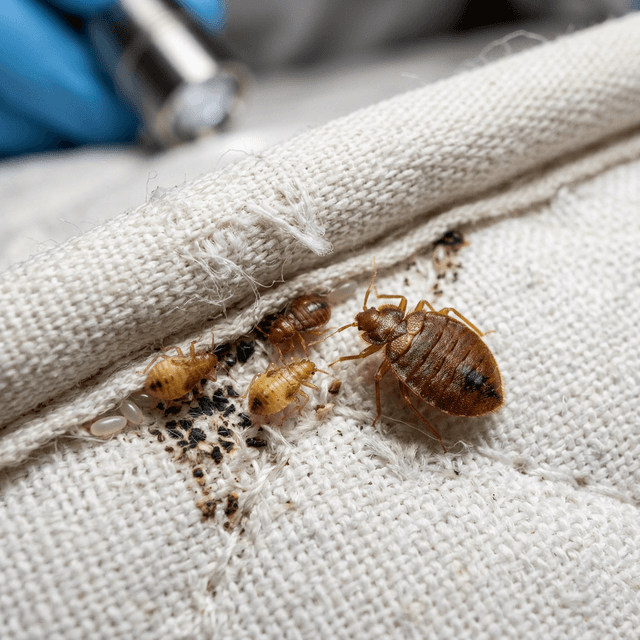
Bed Bugs
Comprehensive research and multi-lingual guidance for identifying, preventing, and preparing for bed bug eradication.
Learn more →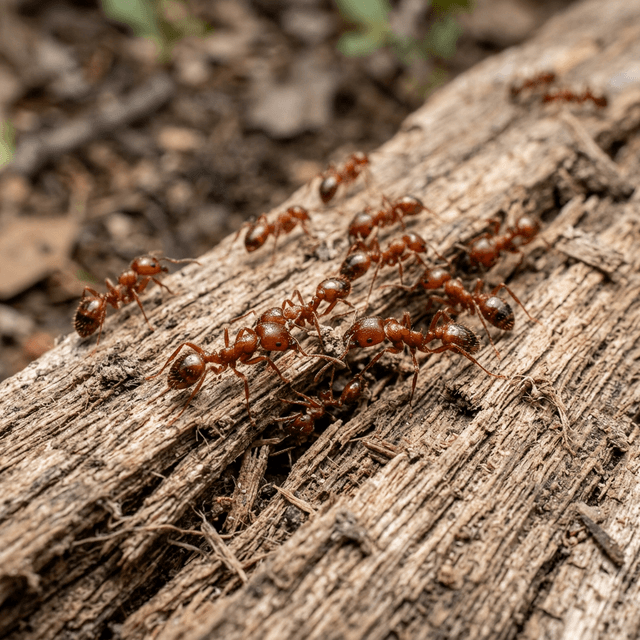
Ants
From pavement ants to carpenter ants, identify ant species and locate nests at their source.
Learn more →
Cockroaches
Identify cockroach species and understand gel baits, IGRs, and sanitation protocols.
Learn more →
Mosquitoes
Larval source reduction and barrier treatment strategies to protect outdoor areas.
Learn more →