
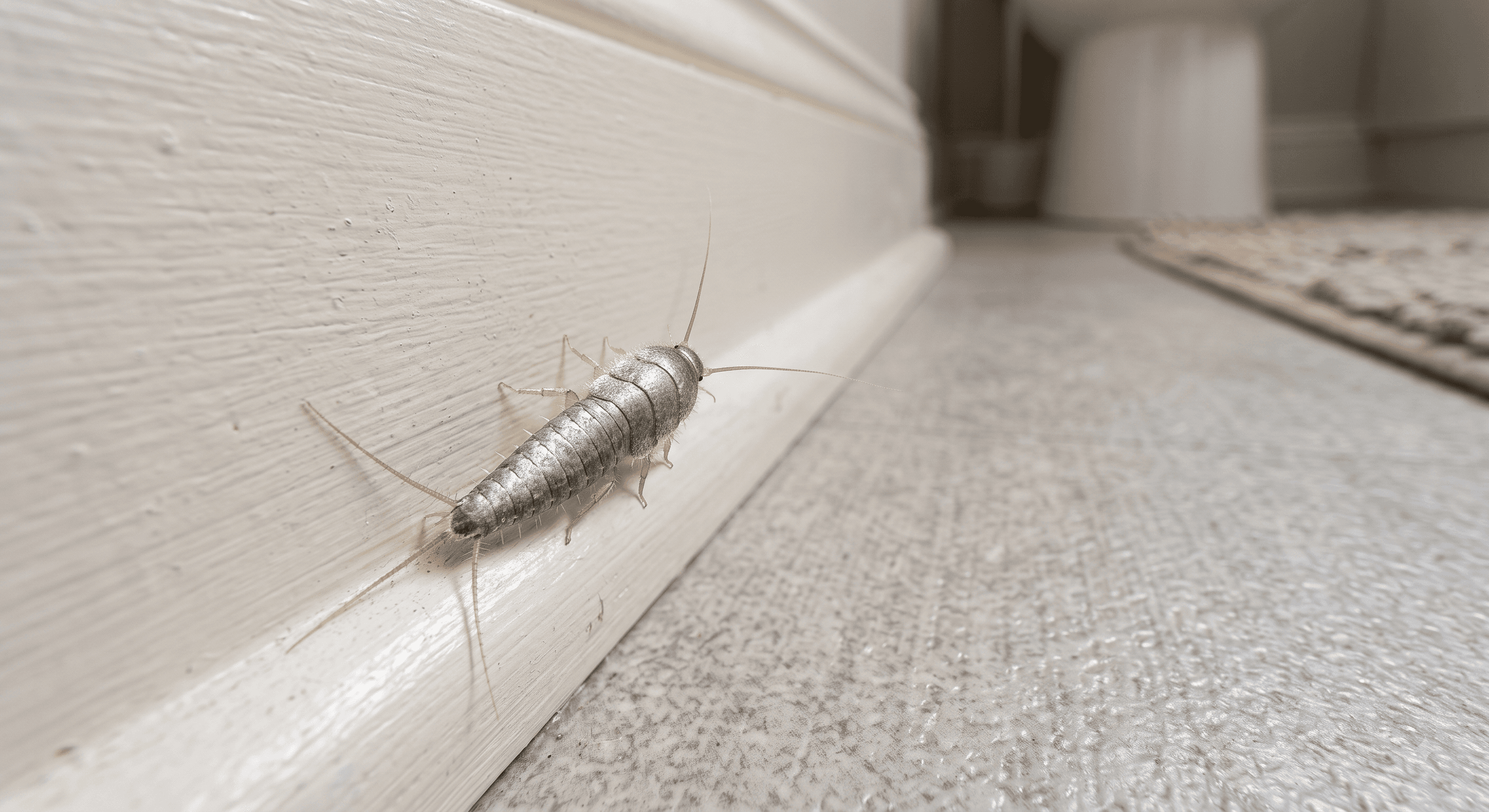
Why Am I Finding Silverfish at Night?
If you are finding silverfish at night, it is usually because these insects are primarily nocturnal. Learn why they emerge after dark and how to control them.
Global Pest Library Research Team
Global Pest Library
If you are finding silverfish at night, it is usually because these insects are primarily nocturnal. They prefer dark, quiet places and become more active when household activity decreases. Silverfish also seek out moisture and food, which can bring them into bathrooms, kitchens, basements, attics, and other areas of a home.
Seeing one silverfish at night does not automatically mean you have an infestation. However, if you regularly find silverfish after dark, especially in different areas of your home, there may be conditions that are allowing them to survive and reproduce indoors.
Are Silverfish Nocturnal?
Yes. Silverfish are primarily nocturnal insects, meaning they are most active at night.
During the day, they typically remain hidden in dark, protected areas. Once the environment becomes darker and quieter, they emerge to search for food, moisture, and shelter.
This is why someone may rarely see silverfish during the daytime but suddenly notice one moving across a bathroom floor or wall late at night.
Their nighttime activity is normal silverfish behavior. It does not necessarily mean they have suddenly appeared in your home.
Why Do Silverfish Come Out at Night?
There are several reasons you may see silverfish at night.
Darkness gives silverfish more cover
Silverfish prefer dark environments. Their flattened bodies allow them to hide in narrow cracks, gaps, wall voids, and other protected spaces during the day.
At night, they can move around with less exposure to light and household activity.
They are searching for food
Silverfish feed on carbohydrates and starchy materials. Depending on the environment, they may consume materials containing starch, cellulose, sugars, adhesives, or other organic substances.
Inside homes, potential food sources can include paper, cardboard, book bindings, wallpaper adhesives, and certain fabrics or stored materials.
They may leave their hiding places at night while searching for these resources.
They are looking for moisture
Moisture is another major reason silverfish may be active indoors.
Bathrooms, kitchens, laundry areas, basements, and other humid locations can provide favorable conditions. A silverfish emerging at night may be moving between a hiding place and a source of moisture.
If you repeatedly find them in one damp area, check for leaking pipes, condensation, poor ventilation, or excessive humidity.
There is less disturbance
Silverfish are secretive insects. A quiet house provides fewer disturbances than the daytime.
People moving around, lights being switched on, cleaning, pets, and other activity can cause silverfish to retreat into hiding.
At night, when these disturbances decrease, they have more opportunity to move around.
Where Do Silverfish Hide During the Day?
If you only see silverfish at night, you may wonder where they go during the day.
Silverfish can hide in many small, dark spaces, including:
- Cracks and crevices around walls and floors
- Spaces beneath sinks
- Bathrooms and areas around plumbing
- Behind appliances
- Basements and crawl spaces
- Attics
- Closets
- Behind stored boxes
- Under furniture
- Around books and paper storage
- Wall voids and other protected spaces
Their flattened body shape makes narrow hiding locations particularly useful.
If you see silverfish repeatedly coming from the same area at night, inspect nearby cracks, gaps, moisture sources, and stored materials.
Why Am I Seeing More Silverfish at Night?
Finding one silverfish occasionally is different from seeing several repeatedly.
Frequent nighttime sightings can indicate that your home provides favorable conditions for silverfish. Common factors include moisture, humidity, shelter, food sources, and accessible hiding places.
For example, a bathroom with poor ventilation and persistent moisture can provide a suitable environment. Likewise, a basement with humidity and cardboard storage can offer both shelter and potential food sources.
The important question is not simply how many silverfish you see in one night. Look for a pattern.
If you repeatedly see silverfish over several nights or find them in multiple rooms, investigate the conditions that may be supporting them.
Does Seeing Silverfish at Night Mean I Have an Infestation?
Not necessarily.
A single silverfish sighting does not prove that you have an infestation. Silverfish can enter homes and remain hidden for long periods, so occasional sightings can happen even when their numbers are relatively low.
However, repeated sightings deserve more attention.
Possible signs of a larger silverfish problem include:
- Seeing silverfish frequently at night
- Finding silverfish in multiple rooms
- Seeing both adults and smaller silverfish
- Finding shed skins
- Discovering silverfish around stored books or paper
- Finding them repeatedly in damp areas
- Seeing them during the daytime as well as at night
Daytime sightings can sometimes be more noticeable when silverfish are disturbed or when their hiding spaces become overcrowded.
If sightings are becoming more frequent, identifying and correcting the conditions supporting them is more useful than simply removing the individual insects you see.
Why Are Silverfish Coming Out at Night in My House?
If silverfish are repeatedly appearing in your house after dark, check the areas where moisture and shelter are available.
Start with bathrooms, kitchens, laundry rooms, basements, attics, and storage areas.
Look for:
- Leaking plumbing
- Condensation
- Poor bathroom ventilation
- Damp cardboard
- High humidity
- Water damage
- Cracks around pipes
- Gaps around doors and windows
- Cluttered storage areas
- Paper or cardboard stored in damp locations
Silverfish do not need a large open area to hide. Small gaps and undisturbed storage spaces can provide sufficient shelter.
How Can I Stop Seeing Silverfish at Night?
The most effective approach is to make the environment less favorable to silverfish.
Reduce excess moisture by repairing leaks and improving ventilation. A dehumidifier can also help in persistently humid areas.
Remove unnecessary cardboard and paper clutter, particularly from damp basements, garages, attics, and storage spaces. Store susceptible materials in appropriate sealed containers when possible.
Seal cracks and gaps around floors, walls, pipes, and other potential entry or hiding points.
Regularly clean dark storage areas and inspect locations where silverfish have repeatedly been seen.
These steps can reduce the conditions that allow silverfish to remain active indoors. If sightings continue despite correcting moisture and sanitation issues, a pest professional can inspect the property and determine whether treatment is necessary.
Silverfish at Night: What Their Behavior Tells You
Finding silverfish at night is not unusual. Their nocturnal behavior means nighttime is when you are most likely to encounter them moving around.
The more useful clue is where you are finding them.
A silverfish repeatedly appearing in a bathroom may point toward moisture. One appearing around books, paper, or cardboard may indicate an accessible food or shelter source. Repeated sightings throughout a home may suggest that the insects have access to several suitable hiding locations.
Understanding the conditions around the sightings can therefore tell you more than the nighttime appearance itself.
For more information about identifying silverfish, their behavior, signs of activity, and ways to address them, see our silverfish pest guide.
Frequently Asked Questions
Are silverfish nocturnal?
Why do silverfish come out at night?
Do silverfish sleep during the day?
Where do silverfish hide during the day?
Why am I suddenly seeing silverfish at night?
Are silverfish active every night?
Does seeing silverfish at night mean I have an infestation?
How do I stop seeing silverfish at night?
Why do silverfish come out at night but not during the day?
Should I be concerned if I find silverfish every night?
Explore Pest Identification Guides
Global Pest Library provides independent, evidence-based research articles to help you identify household pests and understand safety protocols.
Explore Our Pest Library
Identify household pests and learn about evidence-based prevention options.
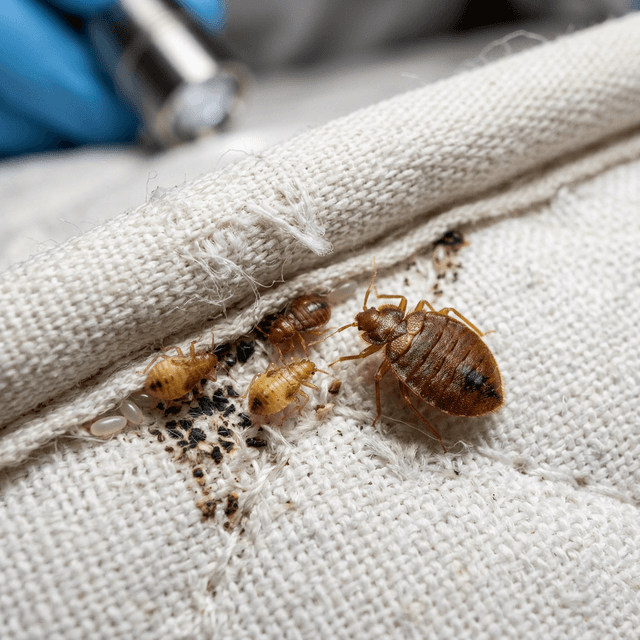
Bed Bugs
Comprehensive research and multi-lingual guidance for identifying, preventing, and preparing for bed bug eradication.
Learn more →
Ants
From pavement ants to carpenter ants, identify ant species and locate nests at their source.
Learn more →
Cockroaches
Identify cockroach species and understand gel baits, IGRs, and sanitation protocols.
Learn more →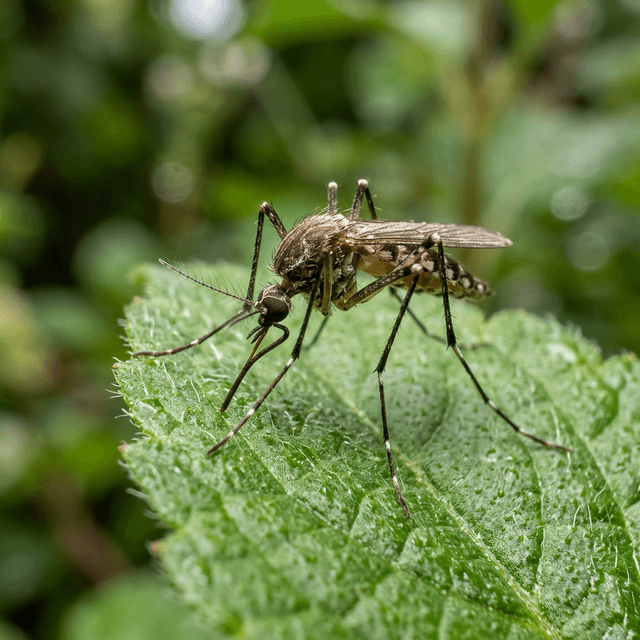
Mosquitoes
Larval source reduction and barrier treatment strategies to protect outdoor areas.
Learn more →