
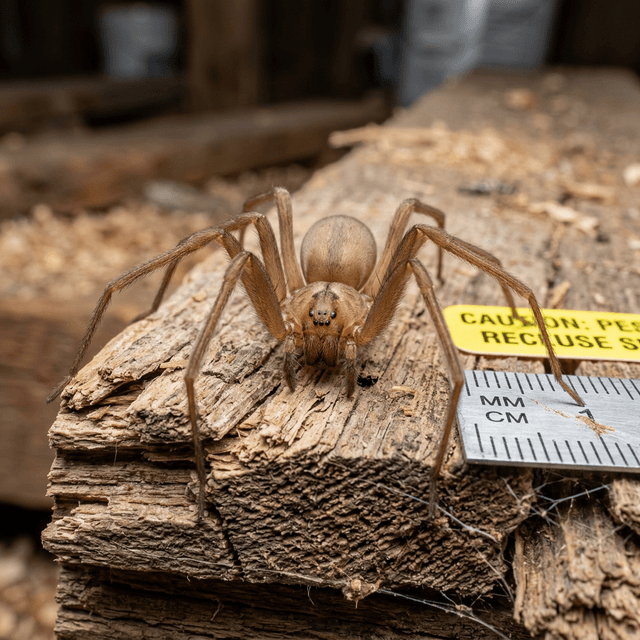
Spring Home Pest Inspection Checklist
A practical spring inspection checklist covering foundation cracks, basement moisture, attic gaps, and perimeter landscaping before summer.
Global Pest Library Research Team
Global Pest Library
A structured spring pest inspection checklist allows Pennsylvania homeowners to identify structural vulnerabilities before summer insect outbreaks occur. Using a comprehensive home pest inspection guide ensures systematic evaluation of foundation cracks, basement dampness, attic gaps, and exterior landscaping.
Executing spring home pest prevention requires checking key zones: foundation crack inspection, basement moisture pest control, attic rodent inspection, perimeter landscaping pest prevention, seasonal home inspection checklist steps, and utility penetration sealing.
Zone 1: Foundation & Exterior Wall Inspection
Winter freeze-thaw cycles expand foundation stress cracks, creating ideal pathways for mice, ants, and termites:
- Inspect concrete and stone foundations for cracks wider than 1/16 inch; seal with high-grade polyurethane sealant.
- Examine brick weep holes and install copper mesh or specialized weep hole covers to block rodent entry.
- Check basement window wells for accumulated leaf debris, standing water, and deteriorated window seals.
- Look for mud shelter tubes constructed by subterranean termites along foundation walls and wood posts.
Zone 2: Basement & Crawlspace Moisture Evaluation
Excessive moisture in basements attracts wood-destroying fungi, subterranean termites, carpenter ants, and silverfish:
- Measure indoor relative humidity; operate a heavy-duty dehumidifier to maintain levels below 50 percent.
- Check sump pump pits, rim joists, and exposed plumbing lines for active condensation or leaks.
- Verify that dirt crawlspaces feature complete 6-mil vapor barriers covering all exposed soil.
Zone 3: Attic & Roofline Vulnerability Check
- Inspect ridge vents, gable vents, and soffit screens for damaged mesh that allows bat, squirrel, or rodent entry.
- Look for shredded insulation, dark dropping clusters, and gnaw marks along wooden roof rafters.
- Check for water staining on roof sheathing, which softens structural timber and attracts carpenter ants.
Zone 4: Perimeter Landscaping & Drainage Buffer
| Inspection Area | Common Defect | Required Corrective Action |
|---|---|---|
| Gutters & Downspouts | Leaf blockages, standing water | Clean gutters; extend downspout splash blocks 4+ feet from wall |
| Mulch Beds | Direct wood mulch contact against siding | Maintain a 12-inch gravel or stone border next to foundation |
| Tree Canopy | Overhanging branches touching roof | Prune tree limbs back at least 6 feet from roofline |
| Firewood Storage | Stacked wood resting against house siding | Elevate wood 6+ inches off ground and store 20+ feet away |
Completing Your Spring Inspection Routine
Performing a thorough spring pest inspection protects structural integrity and prevents costly infestations. By identifying vulnerabilities early, property owners keep insects and rodents outdoors. Explore our Pest Library for specialized identification resources and seasonal maintenance protocols.
Frequently Asked Questions
What is the most critical area to inspect for pests in spring?
How do I check if my foundation cracks are letting pests inside?
Should wood mulch touch home siding in Pennsylvania?
Explore Pest Identification Guides
Global Pest Library provides independent, evidence-based research articles to help you identify household pests and understand safety protocols.
Explore Our Pest Library
Identify household pests and learn about evidence-based prevention options.
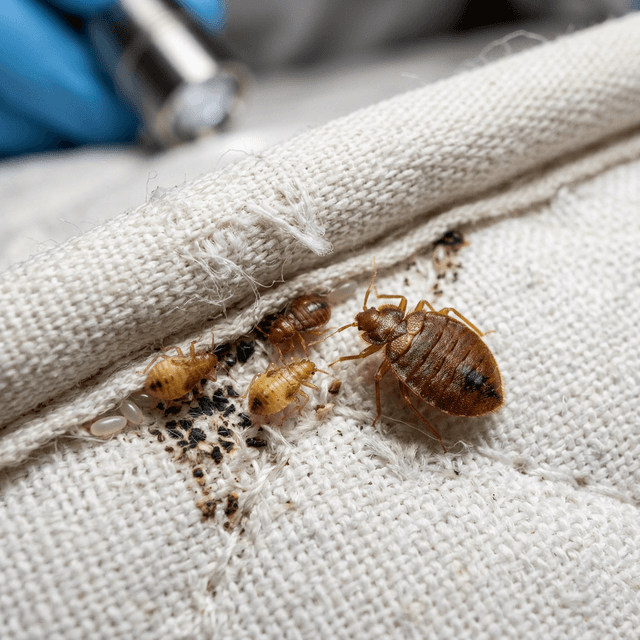
Bed Bugs
Comprehensive research and multi-lingual guidance for identifying, preventing, and preparing for bed bug eradication.
Learn more →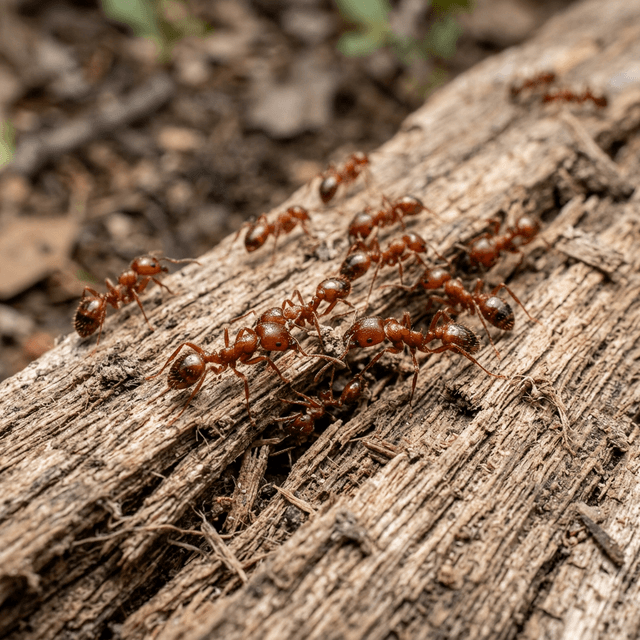
Ants
From pavement ants to carpenter ants, identify ant species and locate nests at their source.
Learn more →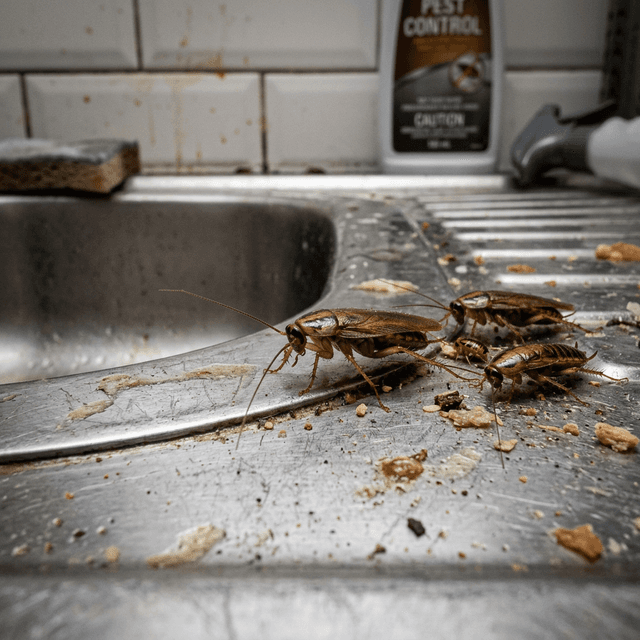
Cockroaches
Identify cockroach species and understand gel baits, IGRs, and sanitation protocols.
Learn more →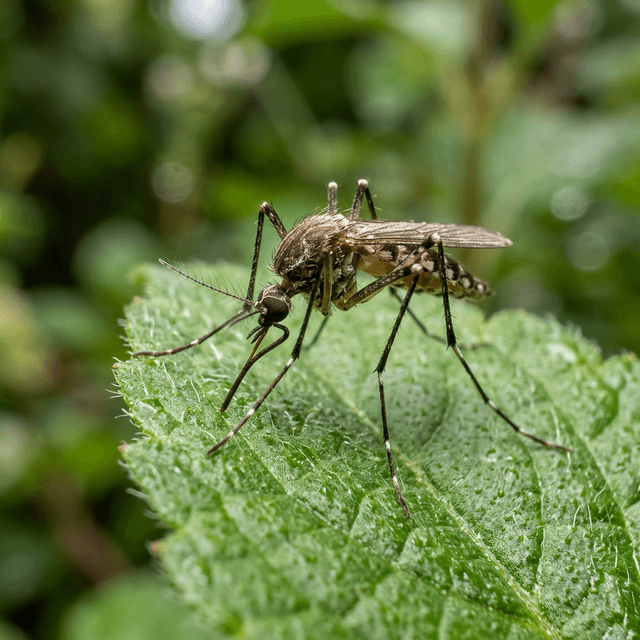
Mosquitoes
Larval source reduction and barrier treatment strategies to protect outdoor areas.
Learn more →