
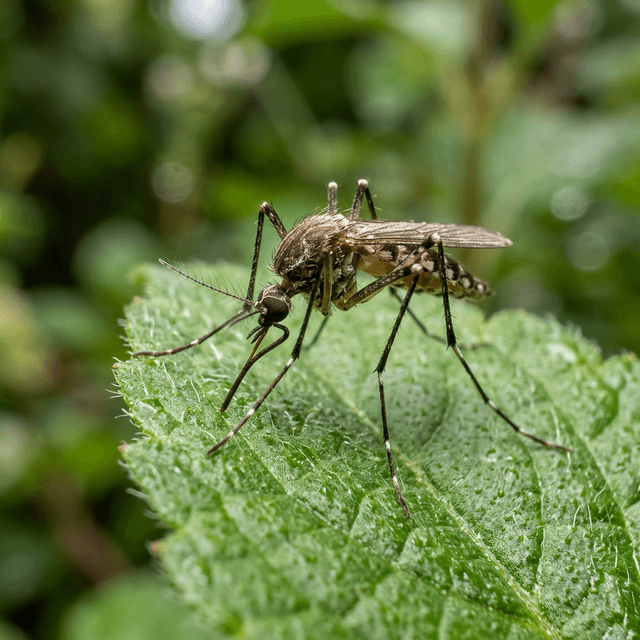
Spring Pest Emergence & Prevention Guide
Learn what triggers early spring pest emergence, from soil temperature shifts to snowmelt moisture, and how early intervention reduces infestation risk.
Global Pest Library Research Team
Global Pest Library
Spring pest prevention is essential for Pennsylvania property owners as soil temperatures rise and winter dormancy breaks. Understanding spring pest control Pennsylvania dynamics requires analyzing how environmental triggers, soil temperature pest triggers, and snowmelt moisture pests drive insects out of overwintering sites directly toward residential foundations.
Early spring insect activity accelerates rapidly once ambient temperatures consistently cross 50°F (10°C). From termite swarm early spring activity to aggressive spring ant prevention needs, early season pest control mitigates infestations before reproductive colonies reach maximum density.
Environmental Triggers Driving Spring Pest Emergence
- Soil Temperature Thresholds: When ground temperatures exceed 50°F, subterranean pests including Eastern subterranean termites and ant queens resume metabolic foraging.
- Snowmelt Moisture Accumulation: Saturated foundation soil creates high-moisture microclimates that attract carpenter ants, earwigs, silverfish, and springtails.
- Photoperiod Lengthening: Extended daylight signals overwintering insects like brown marmorated stink bugs and boxelder bugs to exit wall voids and attic spaces.
- Early Vegetation Growth: Budding plants produce sap and nectar, supplying carbohydrates that fuel expanding aphid and ant populations.
Spring Emergence Timeline for Pennsylvania Pests
| Month | Target Pest Species | Primary Biological Activity | Risk Severity |
|---|---|---|---|
| March | Carpenter Ants, Odorous House Ants | Foraging workers emerge from winter stupor near warm foundations | Moderate |
| April | Subterranean Termites, Pavement Ants | Termite swarmers take reproductive dispersal flights following warm rain | Critical |
| May | Mosquitoes, Deer Ticks, Yellowjackets | Egg hatching in standing water; tick nymph questing in tall grass | High |
| June | Spiders, Cockroaches, Stinging Insects | Peak colony expansion and active indoor foraging across all zones | High |
Termite Swarm Early Spring Activity
One of the most urgent early spring pest concerns in Pennsylvania is the dispersal flight of Eastern subterranean termites (Reticulitermes flavipes). Warm spring rains coupled with sunny days above 60°F trigger mature colonies to release winged swarmers (alates). Spotting winged termites or discarded wings near window sills indicates an active colony beneath or inside the structure.
Actionable Steps for Spring Ant Prevention
Spring ant prevention requires eliminating trail pheromones and structural entry points:
- Trim vegetation and branches at least 18 to 24 inches away from exterior walls and rooflines.
- Clear clogged gutters and downspouts to prevent rainwater overflow along wooden fascia boards.
- Seal foundation utility penetrations, exterior hose bibs, and door thresholds using elastomeric silicone caulk.
- Store firewood on raised racks at least 20 feet away from the home foundation.
Why Early Season Pest Control is Vital
Proactive early season pest control in March and April intercepts reproductive queen insects before colony numbers multiply. By combining soil moisture management with perimeter structural sealing, homeowners drastically reduce indoor pest pressure. Browse our Pest Library for specialized identification guides and evidence-based prevention protocols.
Frequently Asked Questions
When should spring pest control start in Pennsylvania?
What bugs come out first in spring in Pennsylvania?
How does snowmelt affect spring pest activity?
Explore Pest Identification Guides
Global Pest Library provides independent, evidence-based research articles to help you identify household pests and understand safety protocols.
Explore Our Pest Library
Identify household pests and learn about evidence-based prevention options.
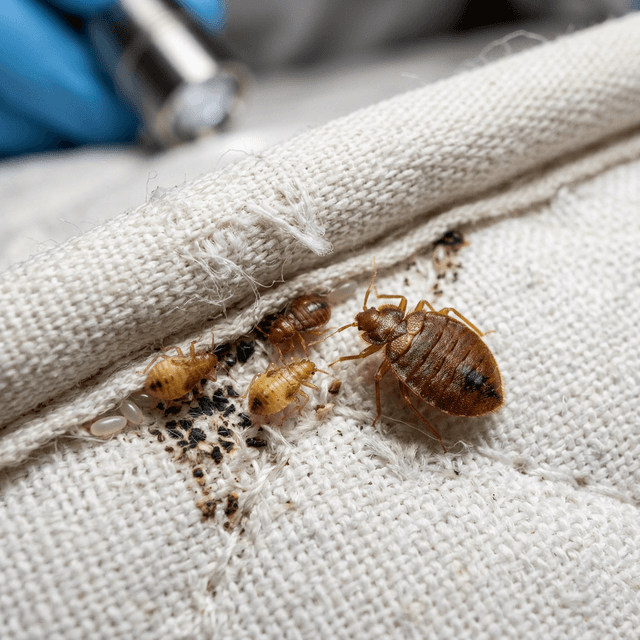
Bed Bugs
Comprehensive research and multi-lingual guidance for identifying, preventing, and preparing for bed bug eradication.
Learn more →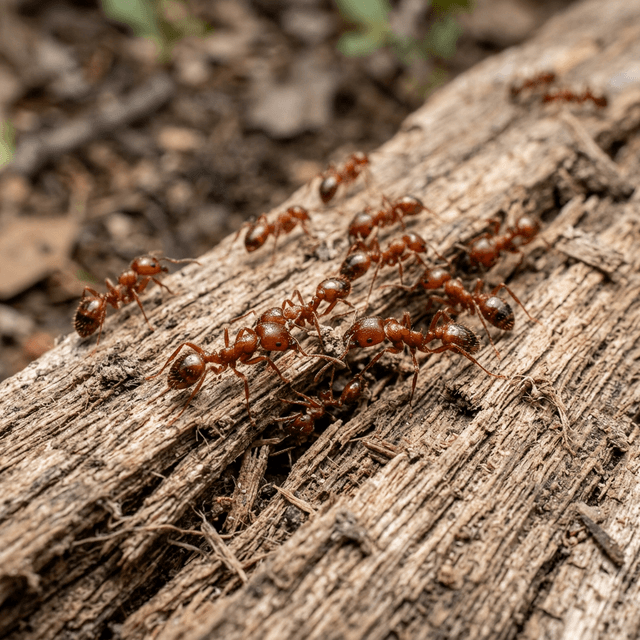
Ants
From pavement ants to carpenter ants, identify ant species and locate nests at their source.
Learn more →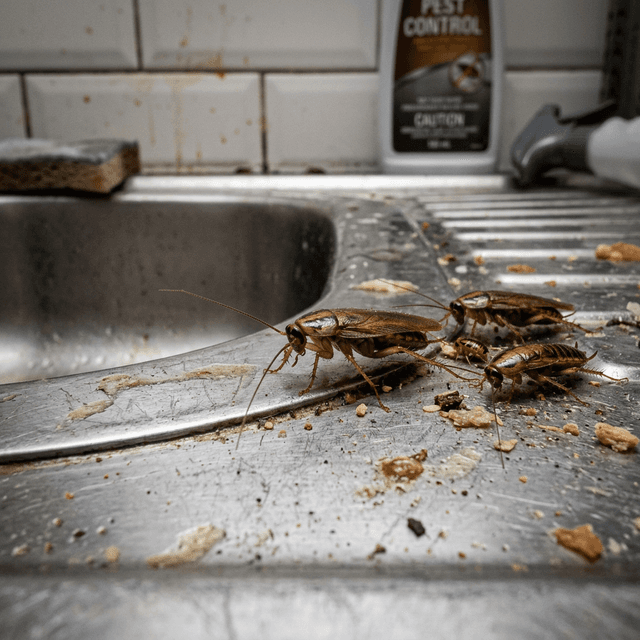
Cockroaches
Identify cockroach species and understand gel baits, IGRs, and sanitation protocols.
Learn more →Mosquitoes
Larval source reduction and barrier treatment strategies to protect outdoor areas.
Learn more →