Mice in Pennsylvania Homes: Why Rodent Infestations Peak During Fall and Winter
Mice in Pennsylvania homes become a major issue as temperatures drop. Learn why rodent infestations peak in fall and winter, how they enter, and 2026 treatment costs.
Our Certified Entomologists
Pennsylvania Pest Services
Mice in Pennsylvania homes become one of the state's most common pest problems every year as temperatures drop and outdoor food sources decline. While many homeowners assume mice are strictly a winter issue, rodent activity occurs year-round throughout Pennsylvania. The difference is that fall and winter force mice indoors, making infestations far more noticeable.
From historic Philadelphia rowhouses and Pittsburgh century homes to Lancaster County farmhouses and suburban developments across Montgomery, Bucks, York, and Dauphin counties, mice remain one of the most persistent household pests in Pennsylvania.
Understanding why mice enter homes, how they survive Pennsylvania winters, and what conditions attract them can help homeowners prevent costly infestations before populations grow.
Are Mice Common in Pennsylvania?
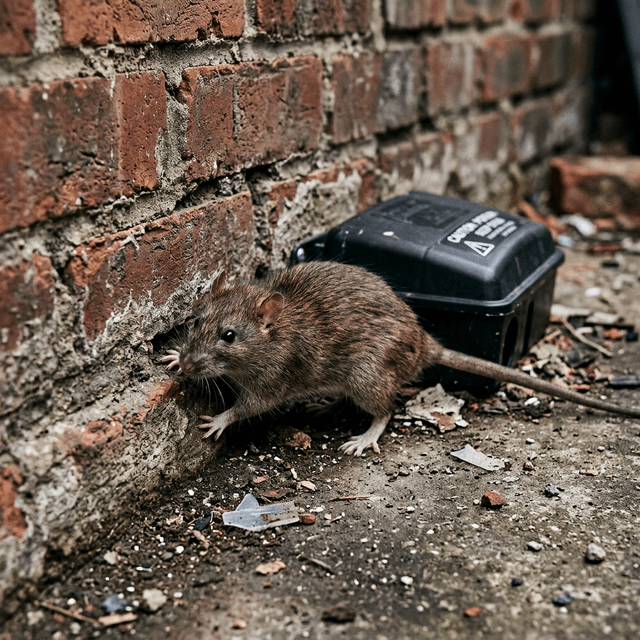
Yes. Mice are found throughout every region of Pennsylvania. The most common species encountered indoors include house mice, deer mice, and white-footed mice. Among these, house mice account for the majority of residential infestations.
Pennsylvania's combination of agricultural land, dense urban development, wooded habitats, and cold winters creates ideal conditions for rodent populations. Mice are routinely reported in Philadelphia, Pittsburgh, Harrisburg, Lancaster, Reading, Allentown, Bethlehem, Scranton, Erie, and York — both city and rural properties experience infestations.
Why Pennsylvania Homes Attract Mice
Cold Winters
Pennsylvania winters force rodents to seek shelter, warmth, food, and water. Homes provide all four. Unlike outdoor environments where temperatures may drop below freezing, heated structures allow mice to survive and reproduce throughout winter.
Agricultural Activity
Pennsylvania contains extensive farmland. Harvest season often displaces rodent populations from corn fields, soybean fields, and grain storage areas, causing them to migrate toward nearby homes.
Older Housing Stock
Historic Pennsylvania homes frequently contain foundation cracks, utility penetrations, basement gaps, and aging construction materials. These vulnerabilities create ideal entry points.
Urban Density
Cities such as Philadelphia support large rodent populations due to food availability, dense housing, waste production, and shared structural spaces.
House Mice vs. Deer Mice in Pennsylvania
House Mouse
The most common indoor rodent in the Commonwealth. They typically feature gray or light brown coloration, small size, a long tail, and strong adaptability to residential environments.
Deer Mouse
More common in rural and wooded areas, deer mice have a distinct white underside, larger eyes, and a brown upper body. Deer mice are important because they are known vectors for diseases not commonly associated with house mice.
How Do Mice Enter Pennsylvania Homes?
Many homeowners underestimate how small an opening mice can use. A mouse can enter through an opening approximately the size of a dime. Common entry points include:
- Foundation Cracks: Small structural gaps often provide direct access into crawlspaces and basements.
- Utility Penetrations: Gaps around cable lines, plumbing pipes, and electrical conduits are common entry routes.
- Garage Doors: Poorly sealed garage doors or damaged weather stripping frequently allow easy access.
- Roofline Openings: Mice are excellent climbers and enter through soffits, vents, or roof intersections.
- Basement Openings: Older foundations frequently contain settling gaps that allow entry.
Why Mouse Infestations Increase During Fall
Fall is arguably the most important rodent season in Pennsylvania. Several factors drive this increased activity:
- Harvest Season: Agricultural harvesting removes crop food and shelter, driving mice to search elsewhere.
- Temperature Declines: Survival outdoors becomes difficult, pushing mice toward heated buildings.
- Nesting Instincts: Mice actively seek protected nesting sites to raise winter litters.
As a result of these drivers, many infestations actually begin during September and October, even though homeowners may not notice the signs until winter.
Signs of Mice in Pennsylvania Homes
Early detection is critical to preventing a small population from growing. Look for these warning signs:
- Droppings: Small, dark droppings often appear along walls, inside cabinets, and near food storage.
- Gnaw Marks: Mice constantly chew to keep their teeth sharp, targeting wood, plastic, and wiring.
- Scratching Sounds: Activity is frequently heard inside wall voids, ceilings, and attics.
- Nesting Materials: Piles of shredded paper, fabric, insulation, or cardboard hidden in dark corners.
- Food Damage: Nibbled food boxes or packages in pantries or kitchens.
Where Mice Commonly Nest
- Attics: Warm, undisturbed spaces filled with fiberglass insulation.
- Basements: Particularly dark, humid corners in stone or block foundations.
- Wall Voids: Cavities behind drywall that provide protection from predators.
- Garages: Storage boxes and proximity to trash bins make these highly attractive.
- Crawlspaces: Dirt floor crawlspaces in rural areas are highly vulnerable.
Health Risks Associated With Mice
Mice create concerns beyond property damage. They are known vectors for food contamination, bacteria transmission (such as Salmonella), allergens, and asthma triggers. Rodent droppings and urine can accumulate in hidden areas over time, degrading indoor air quality.
Property Damage Caused by Mice
- Electrical Wiring: One of the most serious risks. Chewing can damage wires, creating fire hazards.
- Insulation: Nest building destroys attic and wall insulation, reducing energy efficiency.
- Food Storage: Contaminated foods must be discarded, resulting in waste and financial loss.
- Structural Materials: Repeated chewing ruins wood siding, drywall, and plastic pipes.
Pennsylvania Homes Most Vulnerable to Mice
- Philadelphia Rowhouses: Shared brick and wood walls allow rodents to easily move between structures.
- Pittsburgh Century Homes: Settlement cracks and stone foundations create numerous entry points.
- Lancaster Farmhouses: Proximity to active agriculture supports large local rodent populations.
- Pocono Cabins: Wooded environments and seasonal vacancies provide quiet breeding sites.
- Suburban Developments: Land clearing and new construction displace rodents into nearby yards.
Seasonal Mouse Activity Calendar
- Spring: Breeding activity increases outdoors as weather warms.
- Summer: Outdoor populations expand rapidly with abundant food.
- Fall: Migration into homes accelerates as outdoor temperatures drop.
- Winter: Indoor infestations peak as rodents remain indoors for warmth.
How Much Does Mouse Control Cost in Pennsylvania?
| Service Type | Average Cost Range |
|---|---|
| Professional Inspection | $75 – $250 |
| Minor Infestation Treatment | $150 – $400 |
| Moderate Infestation Treatment | $300 – $800 |
| Severe Infestation / Treatment | $800 – $2,000+ |
| Exclusion Services (Sealing) | $300 – $2,500+ |
For ongoing protection, many Pennsylvania homeowners opt for recurring monthly rodent service plans (typically $35–$80 per month) or quarterly programs ($100–$175 per visit, totaling $400–$700 annually).
Why DIY Mouse Control Often Fails
Homeowners frequently focus on trapping visible mice in living areas. However, effective control requires entry point identification, structural exclusion, population reduction, and active monitoring. Without sealing access points, new rodents will simply replace those removed.
Rodent Hotspots Across Pennsylvania
- Philadelphia: Dense housing and food availability support large year-round populations.
- Pittsburgh: Older infrastructure and stone basements create extensive nesting sites.
- Harrisburg: Mixed urban/suburban zones see high fall migration activity.
- Lancaster County: Rich agricultural landscapes support high rodent pressures.
- Reading and York: Older brick rowhomes and industrial areas see recurring mouse issues.
Prevention Strategies for Pennsylvania Homeowners
- Seal Entry Points: Seal cracks in foundations and around utility conduits using steel wool and caulk.
- Store Food Properly: Keep dry pantry goods in airtight glass or heavy plastic containers.
- Reduce Clutter: Clear basements, garages, and attics of unnecessary cardboard and clutter.
- Maintain Landscaping: Keep grass cut short and branches trimmed back at least 3 feet from foundations.
- Address Moisture: Repair leaking pipes and maintain gutters to remove standing water sources.
Mice in Pennsylvania Homes: Final Thoughts
Mice in Pennsylvania homes remain one of the most common pest issues affecting homeowners across the Commonwealth. Cold winters, extensive agricultural activity, aging housing stock, and dense urban development all contribute to persistent rodent pressure. From Philadelphia rowhouses and Pittsburgh basements to Lancaster farmhouses and suburban developments, mice exploit structural gaps, food sources, and warm shelter throughout the year. Because infestations often begin during fall and become more visible during winter, proactive prevention remains the most effective strategy. If you suspect an infestation, contact Pennsylvania Pest Services today for a free inspection and customized rodent exclusion plan.
Frequently Asked Questions
Are mice active year-round in Pennsylvania?
When is mouse season in Pennsylvania?
How many mice indicate an infestation?
Can mice damage electrical wiring?
Do mice return after removal?
Ready to Protect Your Home?
Get a free inspection from Pennsylvania's trusted pest control experts. No obligation, no pressure.