
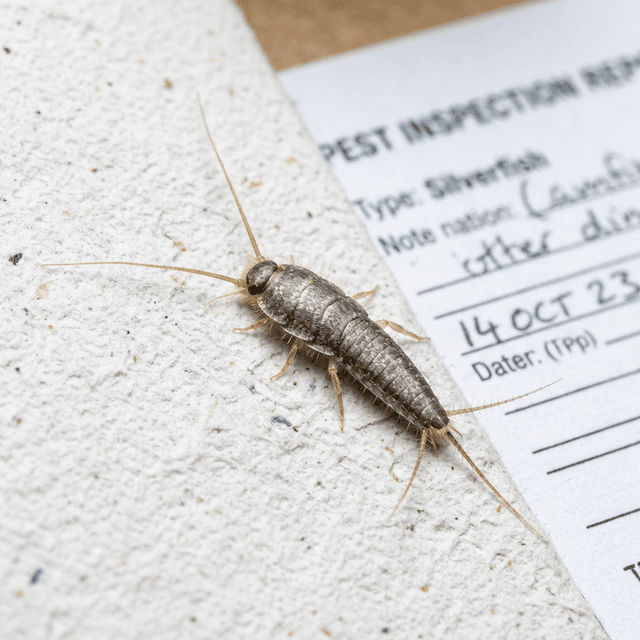
Professional vs DIY Pest Control Guide
Compare inspection-based professional pest treatments against store-bought DIY sprays for rodents, termites, bed bugs, and cockroaches.
Global Pest Library Research Team
Global Pest Library
When facing active infestations, homeowners frequently evaluate professional pest treatment vs diy solutions. Understanding professional exterminator protocols and integrated pest management steps helps property owners make informed, cost-effective pest control decisions.
Generic store-bought contact sprays often fail because they only target visible surface insects while leaving hidden reproductive nests intact. Specialized local pest control evaluations utilize targeted rodent exclusion methodology, subterranean termite detection methods, bed bug heat remediation, and cockroach gel baiting protocols to resolve root causes.
Professional Pest Treatment vs DIY Sprays: Direct Comparison
| Feature / Metric | Store-Bought DIY Sprays | Professional Integrated Pest Management |
|---|---|---|
| Target Inspection | Visual surface spot-checking only | Comprehensive multi-zone inspection using moisture meters & borescopes |
| Chemical Transfer | Repellent sprays that scatter colonies | Non-repellent transfer insecticides & slow-acting bait matrices |
| Colony Elimination | Kills 5% of visible foraging workers | Eliminates egg-laying queens and entire deep-nest colonies |
| Structural Exclusion | None included | Physical sealing of foundation entry points, gaps, and utility penetrations |
| Warranty & Monitoring | No ongoing guarantee | Formal warranty, follow-up inspections, and permanent monitoring |
The 6 Core Steps of Integrated Pest Management (IPM)
- 1. Thorough Inspection: Professional technicians analyze exterior perimeter, basement, crawlspace, attic, and living zones for active harborage.
- 2. Accurate Species Identification: Confirming exact pest biology ensures selection of appropriate non-repellent chemicals or specialized baits.
- 3. Environmental Modification: Correcting moisture accumulation, standing water, and vegetation contact to eliminate pest survival factors.
- 4. Structural Exclusion: Sealing exterior entry points with copper mesh, silicone, backing rod, and heavy metal flashing.
- 5. Targeted Application: Utilizing micro-encapsulated formulations, non-repellent termiticides, and specialized insect growth regulators (IGRs).
- 6. Continuous Monitoring: Installing monitoring stations to track pest pressure and confirm complete eradication.
Pest-Specific Professional Remediation Methodologies
Different pest species require precise, research-backed treatment protocols:
- Termite Detection Methods: Utilizing acoustic emissions detectors, thermal imaging cameras, and moisture meters to pinpoint underground mud tubes and gallery excavation.
- Bed Bug Heat Remediation: Raising interior room temperatures to 120°F–135°F using industrial heat units, eliminating all life stages including eggs within hours.
- Cockroach Gel Baiting Protocols: Deploying targeted bait matrices containing fipronil or hydramethylnon in dark cracks and crevices, leveraging secondary toxicity to destroy hidden nests.
- Rodent Exclusion Methodology: Sealing building perimeters with galvanized hardware cloth and expanding foam filled with steel wool to prevent mouse and rat entry.
Evaluating Localized Pest Pressure Factors
Localized pest pressure analysis accounts for regional housing styles, such as historic Philadelphia rowhouses with shared party walls or rural century basements in Lancaster. Professional IPM protocols address these structural challenges effectively. Explore our Pest Library to learn more about pest identification and management.
Frequently Asked Questions
Why do DIY bug sprays often make ant problems worse?
What is Integrated Pest Management (IPM)?
How long does a professional pest inspection take?
Explore Pest Identification Guides
Global Pest Library provides independent, evidence-based research articles to help you identify household pests and understand safety protocols.
Explore Our Pest Library
Identify household pests and learn about evidence-based prevention options.
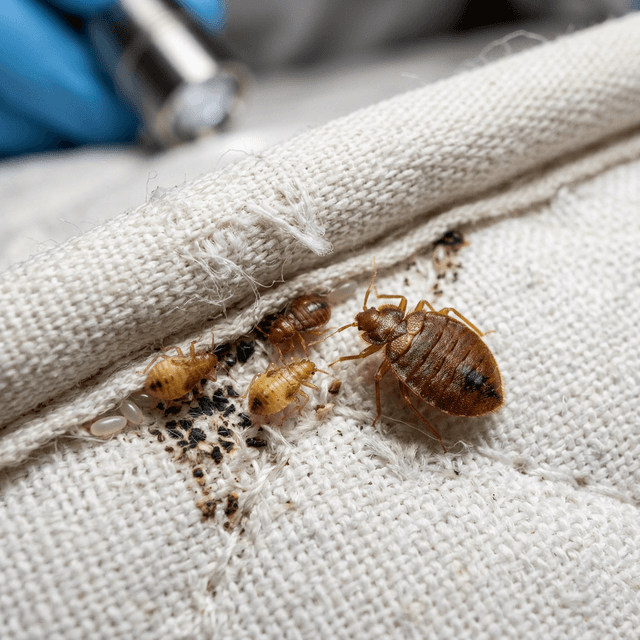
Bed Bugs
Comprehensive research and multi-lingual guidance for identifying, preventing, and preparing for bed bug eradication.
Learn more →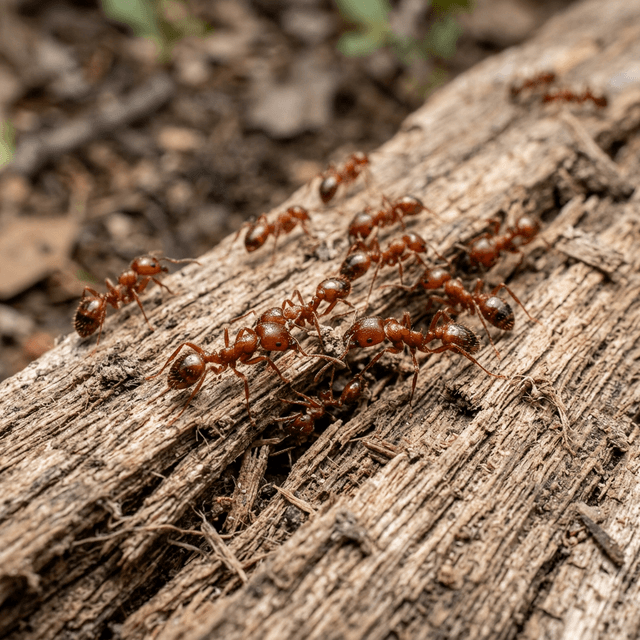
Ants
From pavement ants to carpenter ants, identify ant species and locate nests at their source.
Learn more →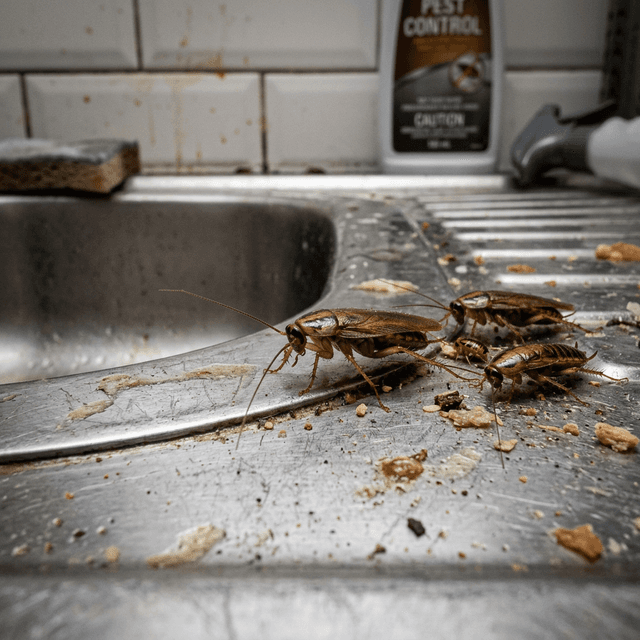
Cockroaches
Identify cockroach species and understand gel baits, IGRs, and sanitation protocols.
Learn more →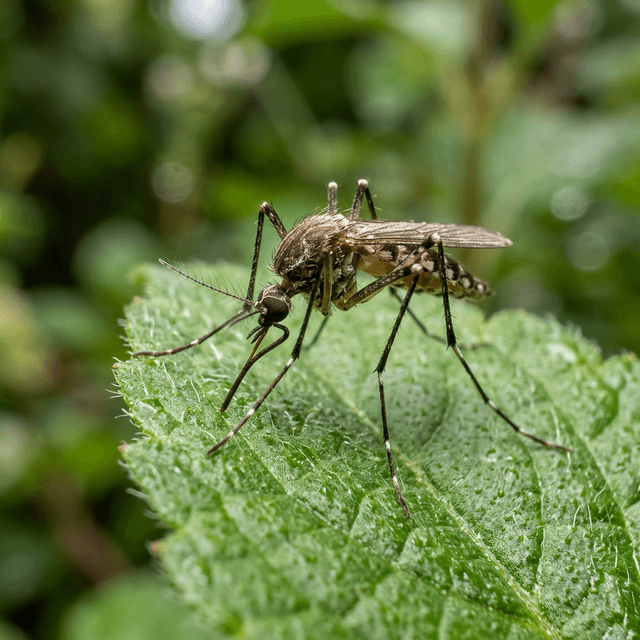
Mosquitoes
Larval source reduction and barrier treatment strategies to protect outdoor areas.
Learn more →