How to Check for Bed Bugs: A Room-by-Room Inspection Guide
Learn how to inspect your mattress, box spring, bed frame, furniture, and room step-by-step for live bed bugs, eggs, shed skins, and fecal spots.
Global Pest Library Research Team
Global Pest Library
If you think you may have bed bugs, the first step is to inspect the areas where they are most likely to hide. Bed bugs are small and good at hiding, so checking only the top of your mattress may not be enough.
Start around the bed and work outward. Look for live bed bugs as well as eggs, shed skins, dark spots, and other signs of bed bug activity.
Where Do Bed Bugs Hide?
Bed bugs usually stay close to places where people sleep or rest. Common hiding places include:
- Mattress seams and corners
- Box springs
- Bed frames and joints
- Headboards
- Nightstands
- Upholstered furniture
- Baseboards and cracks
- Carpet edges
- Curtains and fabric folds
- Cracks and gaps around walls and furniture
If an infestation becomes larger, bed bugs can spread farther from the sleeping area.
How to Check Your Mattress for Bed Bugs
Remove the sheets and bedding so you can inspect the entire mattress.
Use a bright flashlight and slowly check the seams, edges, corners, and folds. Pay particular attention to areas where the mattress meets the bed frame.
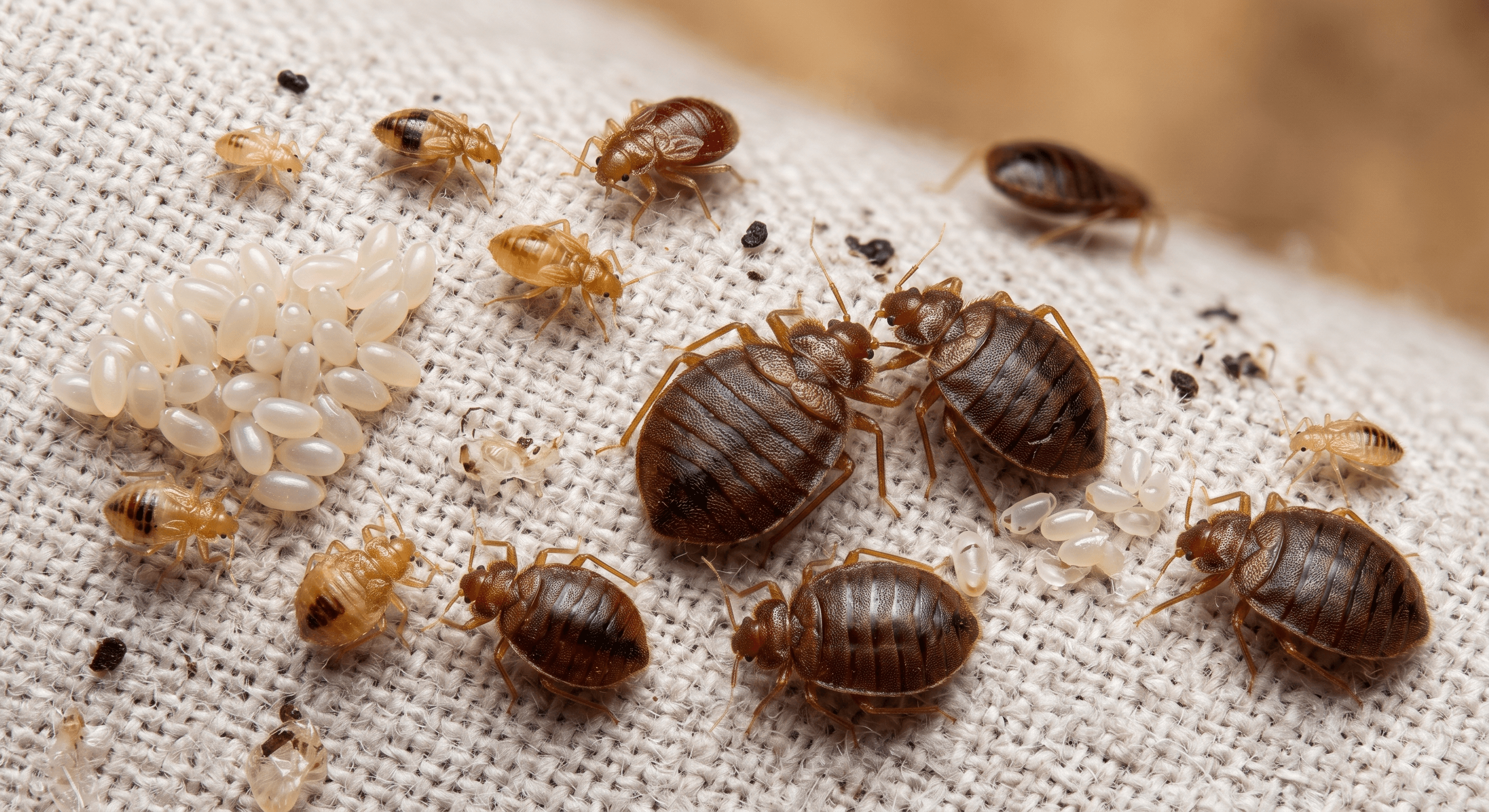
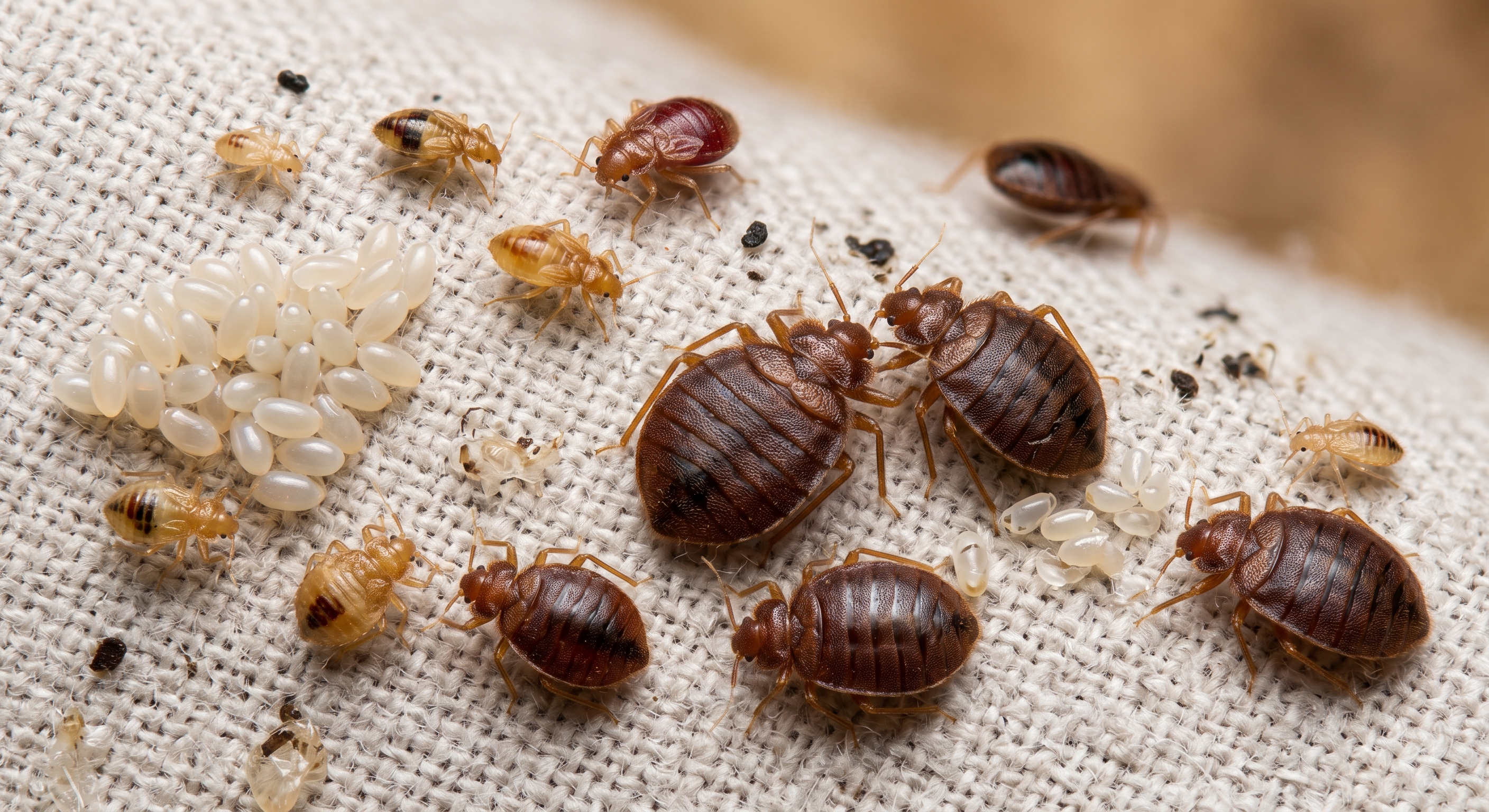
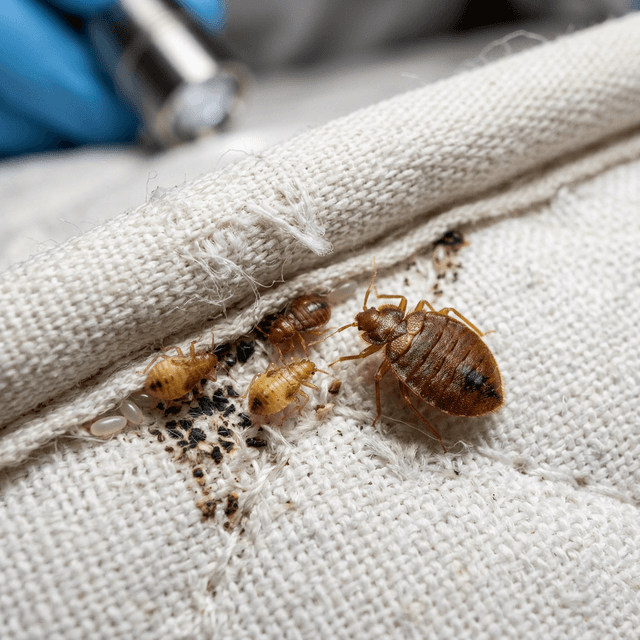
Look for live bed bugs, small dark spots, pale shed skins, tiny white eggs, and blood stains on the bedding.
Adult bed bugs are flat, oval, and reddish-brown. They are usually about 4 to 5 mm long, roughly the size of an apple seed.
Young bed bugs, called nymphs, are much smaller and lighter in color, which makes them harder to spot.
Check the Box Spring
The box spring can provide many hiding places, particularly underneath its fabric covering.
Inspect the seams, corners, edges, tears, and underside. Also check around staples, joints, and areas where the box spring connects with the bed frame.
Even if you find bed bugs on the mattress, inspect the box spring carefully because they can hide in both areas.
Inspect the Bed Frame and Headboard
Next, inspect the bed frame.
Check cracks, joints, screw holes, gaps, and other areas where a bed bug could hide.
If your bed has a headboard, inspect both the front and back. Pay particular attention to cracks, joints, mounting points, and the area where the headboard meets the wall.
Both wooden and metal bed frames can provide hiding places.
Check the Nightstand and Nearby Furniture
Inspect furniture close to the bed before moving farther into the room.
Open drawers and check their corners, joints, undersides, and back panels. Look underneath the nightstand as well.
If there is a chair, couch, bench, or other upholstered furniture nearby, inspect its seams and folds.
Bed bugs are not limited to mattresses. They can hide in many places close to where people sleep or rest.
Inspect the Rest of the Room
Once you have checked the bed and nearby furniture, inspect the surrounding area.
Look along baseboards, carpet edges, wall cracks, gaps around trim, behind nearby furniture, curtains, wall fixtures, and other dark cracks and crevices.
You do not need to immediately inspect every room in the house. Start where people sleep or spend significant time and expand the inspection if you find evidence.
What Do Bed Bugs Look Like?
Adult bed bugs are small, flat, oval insects with a reddish-brown color. After feeding, their bodies become more swollen and darker. For detailed technical photos and species biology, review our comprehensive guide on bed bug identification.
Other signs can sometimes be easier to find than the insects themselves.
Dark Spots
Small dark or blackish spots may appear on mattress seams, bedding, furniture, or other surfaces near the bed. These can be bed bug fecal spots.
Shed Skins
Bed bugs shed their outer skin as they grow. These pale, translucent skins can be found around their hiding places.
Eggs
Bed bug eggs are very small, approximately 1 mm long, and are usually pale or whitish. They may be found in cracks, seams, and other protected areas.
Blood Stains
Small blood stains can sometimes appear on sheets or pillowcases after a bed bug has fed.
How to Know If You Have Bed Bugs
Finding a suspicious insect does not always mean you have bed bugs. Other insects can look similar, particularly when they are small.
Look for multiple signs around the same area, such as a live insect together with dark spots, shed skins, or eggs.
If you can clearly identify a live bed bug, that is strong evidence of an infestation.
How Far Should You Inspect for Bed Bugs?
Start with the area where people sleep and work outward:
If you find bed bugs in several different locations, continue checking nearby rooms and other places where people regularly sleep or rest.
What Should You Do If You Find Bed Bugs?
If you find only a small number of bed bugs and the problem appears limited to one area, you can start by treating the affected areas yourself with an appropriate bed bug spray or other labeled bed bug treatment.
Follow the product label and apply the treatment to the areas where bed bugs are hiding.
If you find a large number of bed bugs, find them throughout the room, or discover signs of an infestation in multiple rooms, professional pest control is the better option.
The earlier you identify the problem, the easier it is to determine whether a DIY treatment is appropriate or whether professional treatment is needed.
To learn what to do if you find bed bugs, evaluate non-chemical heat and vacuuming protocols before deciding whether DIY or professional extermination is best for your property.
Explore Pest Identification Guides
Global Pest Library provides independent, evidence-based research articles to help you identify household pests and understand safety protocols.
Explore Our Pest Library
Identify household pests and learn about evidence-based prevention options.
Bed Bugs
Comprehensive research and multi-lingual guidance for identifying, preventing, and preparing for bed bug eradication.
Learn more →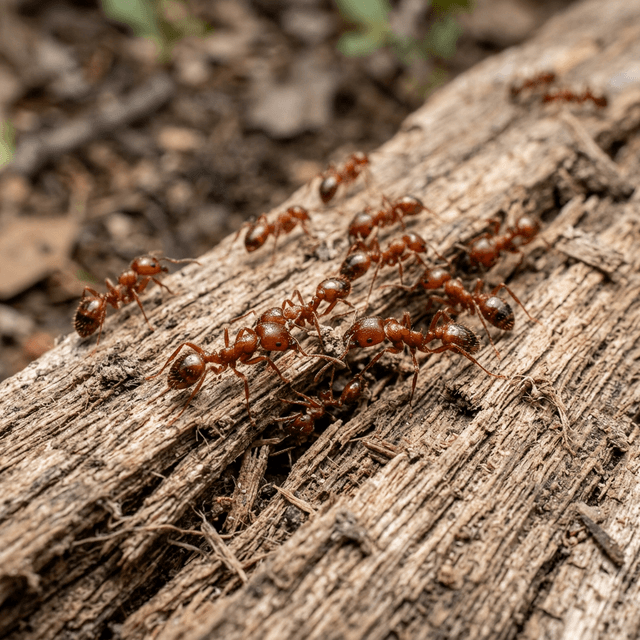
Ants
From pavement ants to carpenter ants, identify ant species and locate nests at their source.
Learn more →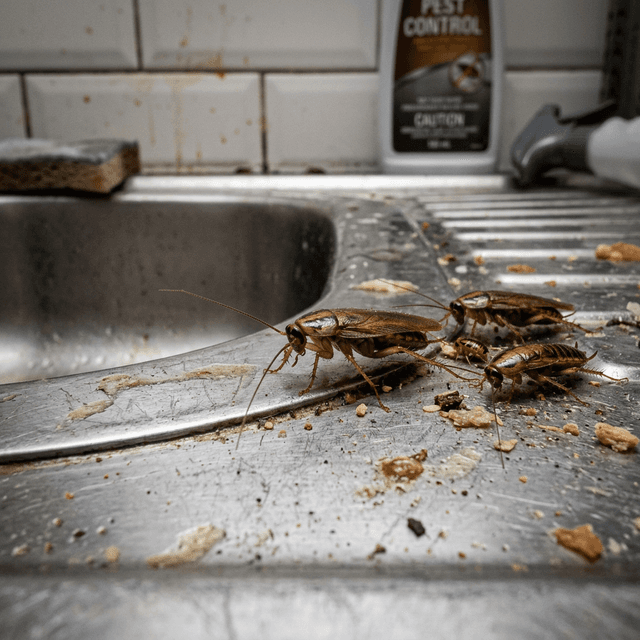
Cockroaches
Identify cockroach species and understand gel baits, IGRs, and sanitation protocols.
Learn more →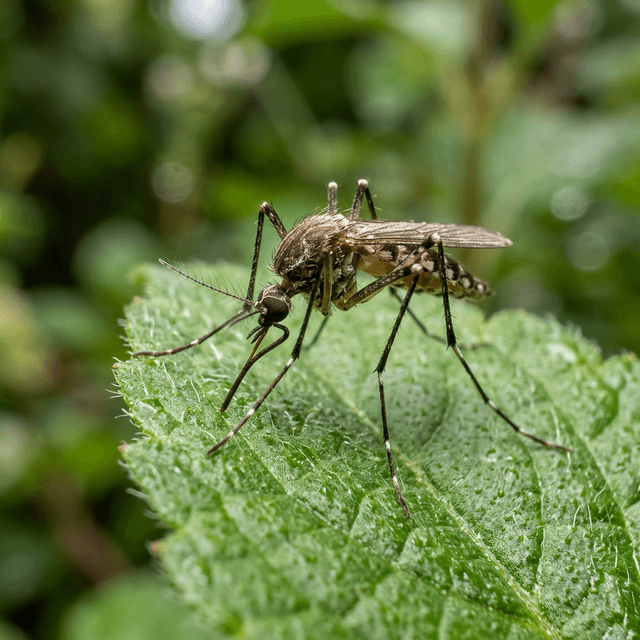
Mosquitoes
Larval source reduction and barrier treatment strategies to protect outdoor areas.
Learn more →